Inditex’s Quarterly Breakdown: Navigating Sales and Margin Challenges
Fueled by a surge in third-quarter momentum, the company reported a robust balance sheet up to October, highlighting a historic margin unrivaled in the last ten years, albeit shadowed by adverse currency exchange challenges.
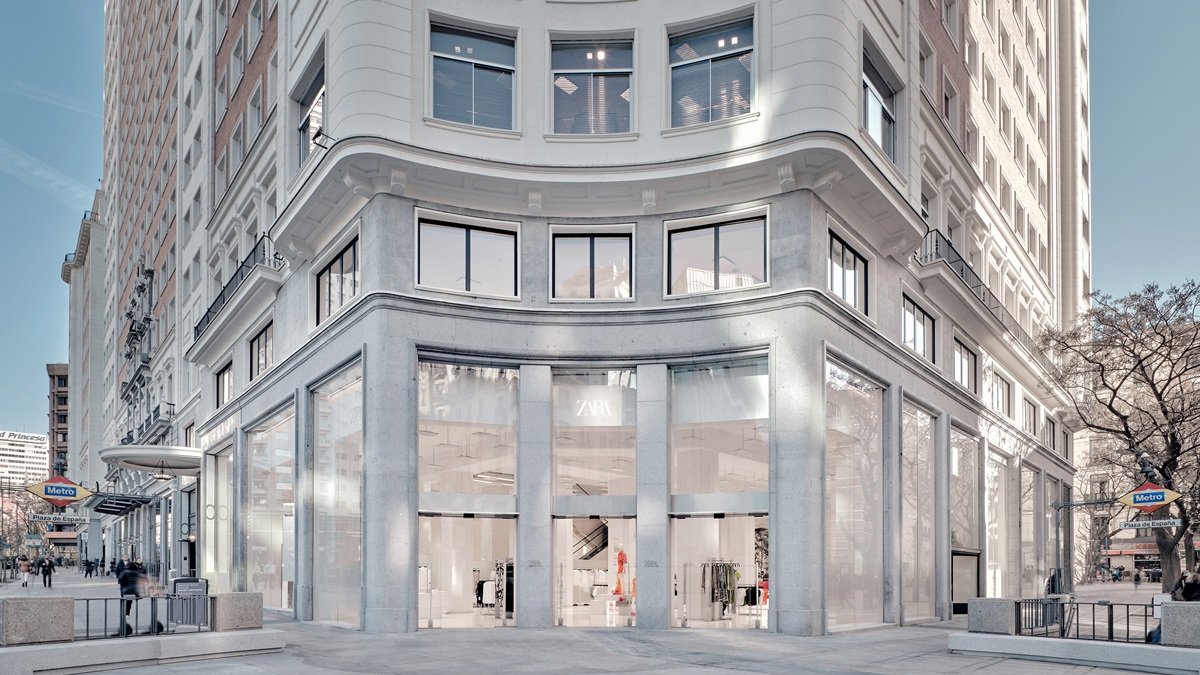


Better than expected results for the number one fashion retailer in Spain. With a third quarter that surpassed the two previous quarters, Inditex closed last October 31st with a notable improvement in its evolution, with a faster sales and profit growth than that recorded in the first six months of the fiscal year. The improvement of the margin, the adjustment of the cash flow, the stability in the store network or the impulse of Lefties are some of the keys to understand the evolution of the world leader in fashion so far in 2025.
With disruptions such as the trade war increasingly accepted and exchange rates as the great burden of the year, Inditex faces the last months of the year with a strong start, as happened in the third quarter. Moreover, it does so with a new body to understand the world: the company has signed Italian Prime Minister Enrico Letta as chairman of its new international advisory board, which focuses on geopolitics, international economics and global affairs.
Faster sales (even with the currency against the company)
From 1.6% growth in the first half of the year to 2.7% in the first nine months of the year. How? Naturally, with an acceleration in the period from August to October.
After growing at a year-on-year rate of only 1.5% in the first quarter and 1.7% in the second, Inditex stepped on the accelerator in the third quarter, with an increase in sales of 4.9% to €9.81 billion. The improvement was possible despite the persistent impact of currency fluctuations: at constant exchange rates, sales rose by 8.4% in the third quarter, while the cumulative annual increase was 6.2%.
Inditex, whose accumulated turnover up to October reached €28.171 billion, maintains a negative impact of 4% of the currencies in its sales forecasts for the whole fiscal year, as it advanced in the presentation of results for the first half of the year.
Record margins
If the fashion war today is more about profitability than size, Inditex clearly won the third quarter battle. The company’s gross margin stood between August and October (traditionally, the most profitable period for the group) at 62.2%, the highest value since the third quarter of 2013, when it reached the same ratio. Compared to the third quarter of 2024, the margin improved by seven tenths or seventy basis points. In the first nine months of the financial year, the gross margin stood at 59.7%, three tenths higher than in the same period of 2024.
The improvement in the margin is key to explaining the improvement in Inditex’s results: the company ended the accumulated period from February to October with a net income of €4.622 billion, which represents an increase of 3.9% compared to the first three quarters of 2024. In the third quarter, Inditex even managed to get close to double digits, with a year-on-year increase in net profit of 8.9%.
Less buoyant cash flow
Inditex’s indebtedness has historically been a rara avis in the Ibex35 for a simple reason: it is negative. At the end of the third quarter, this cash position was still buoyant, but a little less so than a year earlier. The Spanish group’s net financial position at the end of the third quarter stood at €11.26 billion, down 4.7% compared to the same time last year.
The group has also changed the composition of its cash compared to the previous year, with a greater weight of temporary financial investments and less cash and cash equivalents. In other words, Inditex has allocated a higher proportion of its idle funds to temporary financial investments (to the detriment of cash and cash equivalents), with these going from 30.2% of the total at the end of the third quarter of 2024 to 47.2% at the same time of the current fiscal year.
Another promising quarter
Inditex offers analysts and investors in each of its quarterly results a preview of how sales are going in the current quarter, that is, in the first weeks after the closing date of the previous quarter. With its second quarter results, it announced a 9% increase in sales at constant exchange rates between August 1st and September 7th, which at the end of the quarter stood at 8.4%.
Now, Inditex has advanced that the fourth quarter has started off stronger than the previous one. “Store and online sales at constant exchange rates between November 1st and December 1st, 2025 grew by 10.6% compared to the same period in 2024,“ the company said. It has also specified that between November 1st and 24, i.e. before Black Friday, the evolution was already positive, with sales up 9% at constant exchange rates.
Shorter network, stronger stores
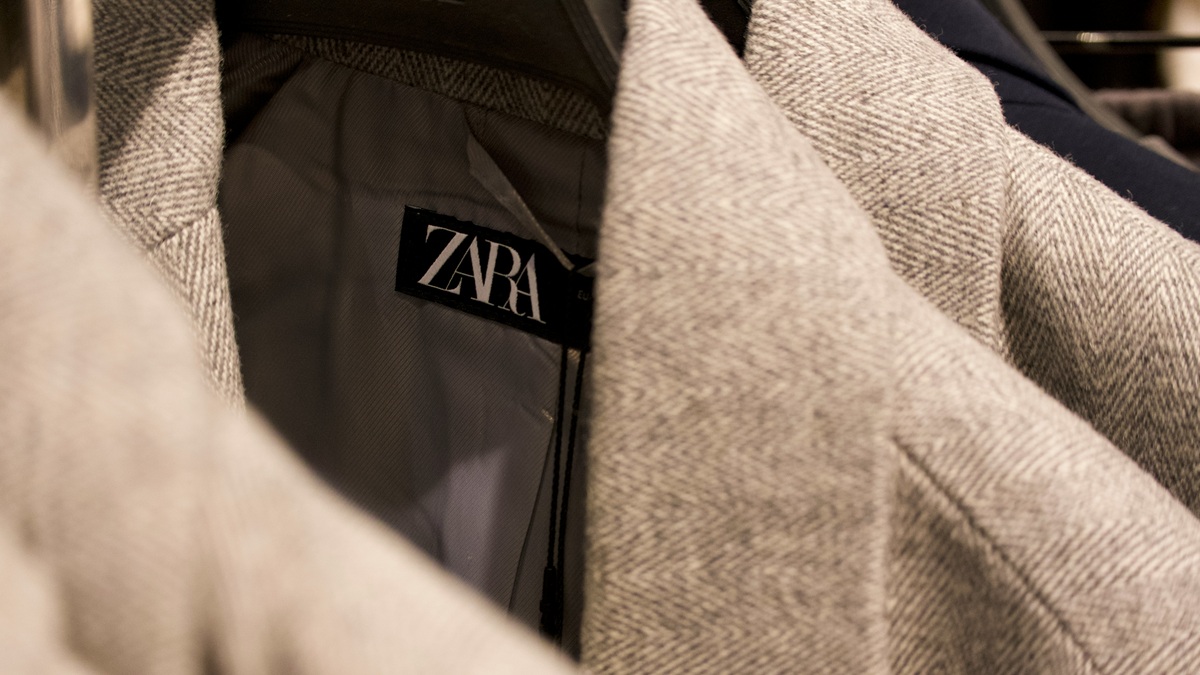
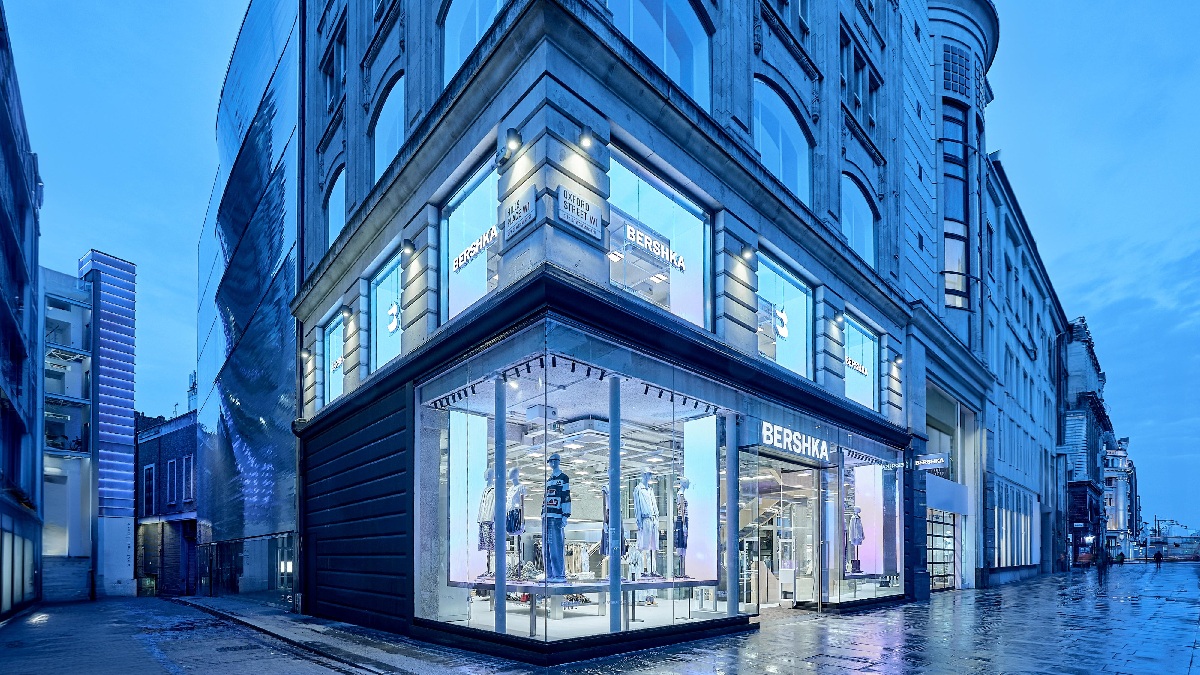
The Spanish group continues to refine its commercial network with a strategy that prioritizes raising positioning, especially for Zara, scale and visibility over the number of stores. “Absorbing” stores, as the group usually describes it, to concentrate on large strategic spaces in prime locations and sophisticated design, is the line to follow. The company closed the first nine months of the year with 5,527 stores, or 132 net closures in a year. The adjustment affects most chains, from Zara to Oysho, while only Bershka and Lefties have gained points of sale, with four and ten net openings, respectively.
This movement is accompanied by a more determined commitment to single-format superstores in the main thoroughfares of the major capitals. The opening of Zara on Avenida Diagonal in Barcelona, designed by Vincent Van Duysen, or the deployment of El Apartamento in the flagship store in Serrano, are a clear example of this new interpretation of the physical store. In addition to this, there are projects such as the recent openings in Osaka or the shop-in-shop in Manchester, as well as the upcoming renovation of Fifth Avenue, the planned opening in San Francisco and the arrival of Bershka in Miami in 2026.
Lefties, increasingly visible
Lefties is gaining presence at a time when the bulk of Inditex’s retail park is adjusting and, like the rest of the brands, is improving its positioning upwards: from a low-cost format in the past to a young proposal. The chain closed the first nine months of the year with 213 stores, ten more than a year earlier, consolidating its position as the format with the greatest net expansion within the group. This progress coincides with an international drive that is taking the brand to markets where it had no footprint until now, such as Italy and Germany, and soon, France, the Netherlands and the United Kingdom.
The growth is also reflected in its figures, which now share prominence in Zara’s bottom line. Lefties ended the 2024 financial year with €644.8 million in sales, 17.4% more than the previous year, when it had a turnover of €549 million. This was the biggest advance among Inditex concepts. The group has also begun to give greater public visibility to the format, based on a repositioning process initiated in 2024.
Related content
Inditex Accelerates to 2.7% in The First Nine Months of 2025
3 dic 2025 - 07:41

Record-Setting Q3 for Inditex: Best Gross Margin in Over 10 Years
3 dic 2025 - 07:24

Inditex Cuts Cash Reserves by 4.7%, Focuses on Financial Investments
3 dic 2025 - 07:26

Ex-Italian PM Enrico Letta Joins Inditex’s International Advisory Team
3 dic 2025 - 07:34
Latest news


Jewelry shields Richemont
19 ene 2026 - 04:09

Asics Strengthens Production: Onitsuka Tiger Launches First Factory in Japan
16 ene 2026 - 08:03