

Global Sports Market: Star Category Cools Down Amid Fast-Paced Global Calendar
The Winter Olympics and the FIFA World Cup are set to spotlight sports in the global consumer market in 2026, yet Bank of America signals a slowdown in the sportswear growth trajectory for brands.
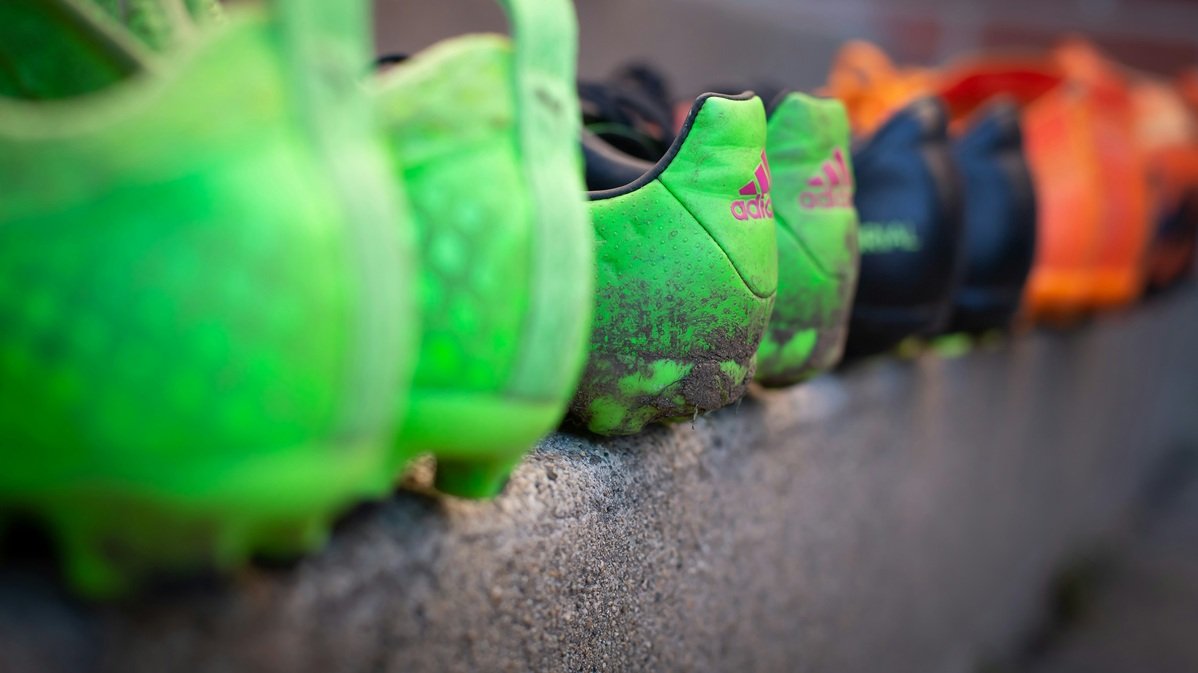


In 2026, sport will experience one of its greatest years of media and commercial exposure, with milestones such as the Olympic Winter Games in Milan-Cortina and the Soccer World Cup to be played in the United States, Mexico and Canada. Athletes, rights, licenses and sponsorship will place the sector at the center of global consumption, a great showcase that, however, may not be enough to activate an industry facing a change of cycle and forced to rethink strategies and business structures. Will this visibility translate into growth for sports fashion brands?
It seems that it will not, according to a recent report published by Bank of America, in which the U.S. bank draws a scenario of a change of cycle for the sector. Analysts argue that the model that drove growth over the last decade is showing clear signs of exhaustion and is forcing companies to rethink their strategy.
The bank’s main diagnosis points to the end of the momentum derived from the “casualization” of clothing. According to Bank of America, “the use of sportswear as everyday clothing, which for years expanded the market, is losing steam,“ reducing the sector’s ability to grow supported by the natural expansion of demand.
The Bank of America report notes that sports brands “are no longer gaining incremental space in everyday apparel”
This shift also comes against a backdrop of consumer closet saturation. The report notes that sports brands are “no longer gaining incremental space in the everyday wardrobe,“ forcing them to compete directly for share rather than benefiting from an expanding market.
The clearest case cited by the bank is Adidas. The bank has lowered its recommendation on the German group and anticipates that, after the one-off boost from the 2026 World Cup, the company could return to single-digit sales growth, well below the pace of recent years.
Thus, major global sporting events would be an opportunity for sports brand exposure, but not enough to boost the results for an entire fiscal year.
The 2026 sports calendar reinforces the paradox of the sector. In addition to the Winter Olympics in Milan-Cortina and the World Cup, there are other major global focal points, such as Super Bowl LX and an increasingly spectacle- and lifestyle-oriented Formula 1 calendar. Exposure for sponsors and technical brands will be high, but Bank of America warns that the commercial impact of these events remains “limited and temporary,“ unable to alter structural consumer trends.
According to the bank, major championships “generate demand peaks, but do not alter structural consumer trends,“ especially in a context where customers are prioritizing other fashion categories or adjusting their discretionary spending.
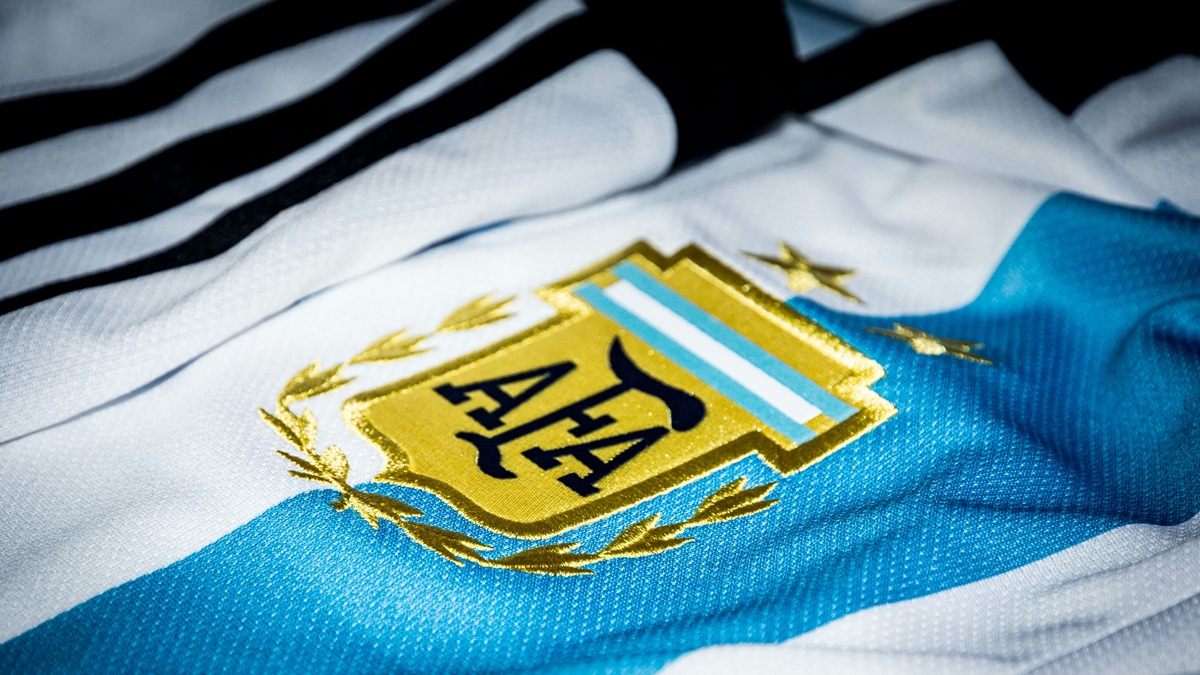
Are the big contracts of the sports brands that invest in sponsorship at these events in jeopardy? For the moment, it does not seem so, especially given that the Finalissima will be played between Spain and Argentina, champions of the Copa América and Euro 2024. The World Cup is coming up in June, with matches in the United States, Mexico and Canada, with Adidas as a long-standing partner of the Fédération Internationale de Football Association (FIFA). Last year, the German brand also closed its agreement with the Argentine Football Association (AFA) until 2038. With the Royal Spanish Football Federation, Adidas has a contract until 2030. And not only soccer, other major global events such as the Super Bowl and even Formula 1, which in 2026 will include two races in Spain, Barcelona and Madrid, will put the sport back in the spotlight with global reach.
Precisely niches such as fashion related to the practice of motorsports, motorcycling or motoring continue to be green pasture for hyperspecialized and historical brands in these sectors, such as Alpinestars or Dainese, and without news from the big brands for now. A process that has happened, however, in paddle tennis, with the gradual entry of generalist brands such as Nike and Adidas, in the heat of the second youth of this sport, dominated by Spanish and Latin American athletes and which is becoming more and more global.
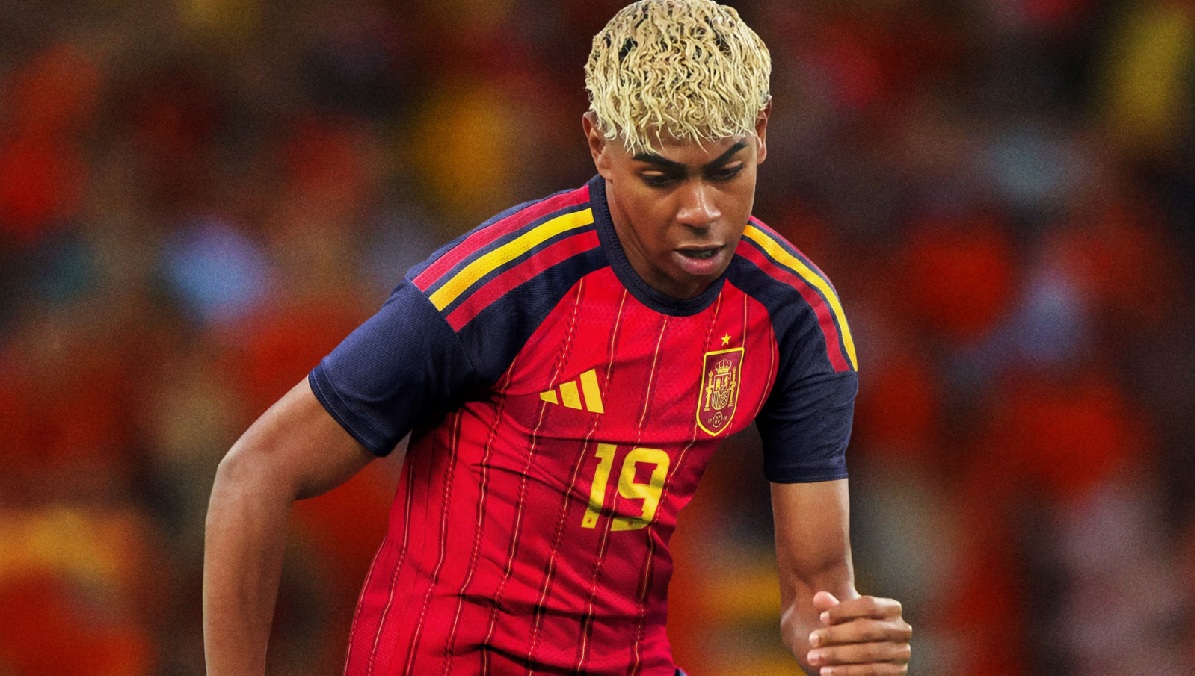
Nike seems to have reacted in time and is slowing the fall since the incorporation of its new CEO Elliott Hill
Nike restructures and is showing signs of a slight recovery. Just a few months after the appointment of Elliott Hill as the new CEO and a thorough internal reorganization, the US sports apparel and accessories giant seems to have been able to halt the slump that had the market worried in 2024. By mid-2025, Nike had experienced 1% growth in sales thanks to the strength of the North American market.
However, the group faces major challenges in 2026: the slump in China and Latin American countries, in addition to the crisis of its own channels and brands. Nike’s online sales have fallen by 14% according to the latest published data and Converse’s turnover has collapsed with a 30% drop.
It seems that after slowing its decline in wholesale channels and adjusting inventory strategies, Nike will continue to be a leader on a global scale, but continues to face the challenge of regaining momentum against brands that have connected with more specific niches or with more authentic product proposals.
Sports niches still work
Precisely that is another challenge highlighted by the report is the increasing fragmentation of the market. Bank of America stresses that the sector is entering a phase of increased competition, with specialized and niche brands gaining relevance against the large historical groups, both in technical performance and brand credibility.
Asics has boosted its net profit by more than 30% in the first nine months of 2025 and has revised its year-end guidance upwards
Against this backdrop, competitive pressure in the sportswear market has intensified beyond the traditional duels between giants such as Adidas and Nike. Specialized brands such as Asics are consolidating their own traction: the Japanese group has closed consecutive periods with increases well above the sector average, boosting its net profit by more than 30% in the first nine months of the year and revising upwards its forecasts for the end of 2025, which shows its capacity not only to grow, but also to improve margins in a challenging environment for other large firms.
In addition, the Japanese brand has strengthened its international presence thanks to the momentum of the running segment, with sales in Europe and Asia increasing steadily, underscoring a model of technical specialization that is capturing share in high-value segments. And it’s not just the core brand that has been the driving force: virtually all divisions of the business have grown, with SportStyle and Onitsuka Tiger performing “particularly well,“ as the company recently noted.
Swiss brand On, meanwhile, is emerging as a fast-growing competitor, with analysts citing it as one of the fastest-growing brands among consumers and investors, especially in performance and lifestyle footwear categories.
Puma is going through a complex moment, with sales figures down for several quarters and pressure on its stock price reflecting the market’s doubts
On, which is owned by tennis player Roger Federer and has been one of the major assets of its marketing plan since its launch, closed the first nine months of 2025 with a 32.6% increase in sales to €2.44 billion, up 32.6% on the same period of the previous year, with a general increase in turnover in all markets and channels.
In contrast, Puma is going through a complex period, with sales declining for several quarters in a row and pressure on its share price, reflecting the market’s doubts. Financial and operational moves to reposition the brand seem insufficient to ensure its recovery and “consolidate Puma as one of the top three global sports brands,“ according to CFO Markus Neubrand’s plan. Puma has been in the spotlight for some time now, first because of rumors a few months ago about a possible acquisition by Adidas and more recently by Anta, Li Ning or even Asics.
This competitive pressure is intensifying in an environment where innovation is no longer optional. “Brands will need to differentiate themselves clearly, either through genuine product innovation or through brand strength that justifies price,“ says the Bank of America report.
The bank also warns of a shift in investor perception. Sports fashion, traditionally seen as a defensive and stable growth segment, is beginning to be analyzed with greater exigency. In the words of Bank of America, “the sector is losing relative attractiveness compared to other areas of consumer discretionary”.

Driven by the winter Olympics, snow is emerging as a key diversification channel for sportswear as everyday athleisure slows
The focus on winter sports has thus become one of the clearest avenues of diversification for sports and lifestyle fashion at a time when everyday athleisure is slowing down. According to the International Report on Snow & Mountain Tourism, ski resorts will receive 366 million visitors in the 2023-2024 season, with an average frequency per skier higher than before the pandemic, a figure that reinforces the commercial appeal of a historically smaller segment, but with a greater willingness to spend and a strong aspirational component.
This renewed interest in snow also coincides with the celebration of the Olympic Winter Games in Milan-Cortina between February 6th and 22nd, 2026, an event that reinforces the global visibility of disciplines such as skiing and snowboarding and acts as a catalyst for brands seeking to differentiate themselves outside of daily urban consumption.
Collaborations such as Skims’ with The North Face, Oysho’s entry into direct sponsorship of European resorts or Jacquemus’ alliance with Nike in après-ski reflect a shared strategy: capturing value in high-performance and aesthetically charged niches, where price and specialization outweigh volume. In a more mature and competitive market context, the mountain emerges as one of the few territories capable of combining technique, fashion and expertise, offering brands a real alternative to grow beyond the everyday closet.
Related content

Bank of America Alerts: Adidas Struggles Amid Sports Sector ‘Bubble Burst’
7 ene 2026 - 07:38

From Skims to Jacquemus: Fashion Hits the Slopes
11 dic 2025 - 05:00

Nike Stabilizes in First Half, Records Modest 1% Growth and 31% Profit Decline
19 dic 2025 - 03:50

Adidas vs Puma: Europe Aim for a Sporting Comeback
4 nov 2025 - 05:00
Latest news

Dior Appoints New President to Bolster Its American Presence
8 ene 2026 - 16:54
Tommy Hilfiger Inks Two-Decade Sponsorship Deal with Liverpool FC
8 ene 2026 - 16:42

Morellato Seizes Control of Fossil Group’s Italian Operations
8 ene 2026 - 16:20

Zalando Shuts Down Major German Logistics Hub, Impacting 2,700 Workers
8 ene 2026 - 15:49


