

China to Slash Tariffs on Strategic Cotton, Wool, and Fur by 2026 for Textile Boost
Starting January 1st, the Chinese government will implement reduced provisional tariffs on 935 imported goods, including cotton, wool, and hides for footwear and leather goods, easing supply for its industry.
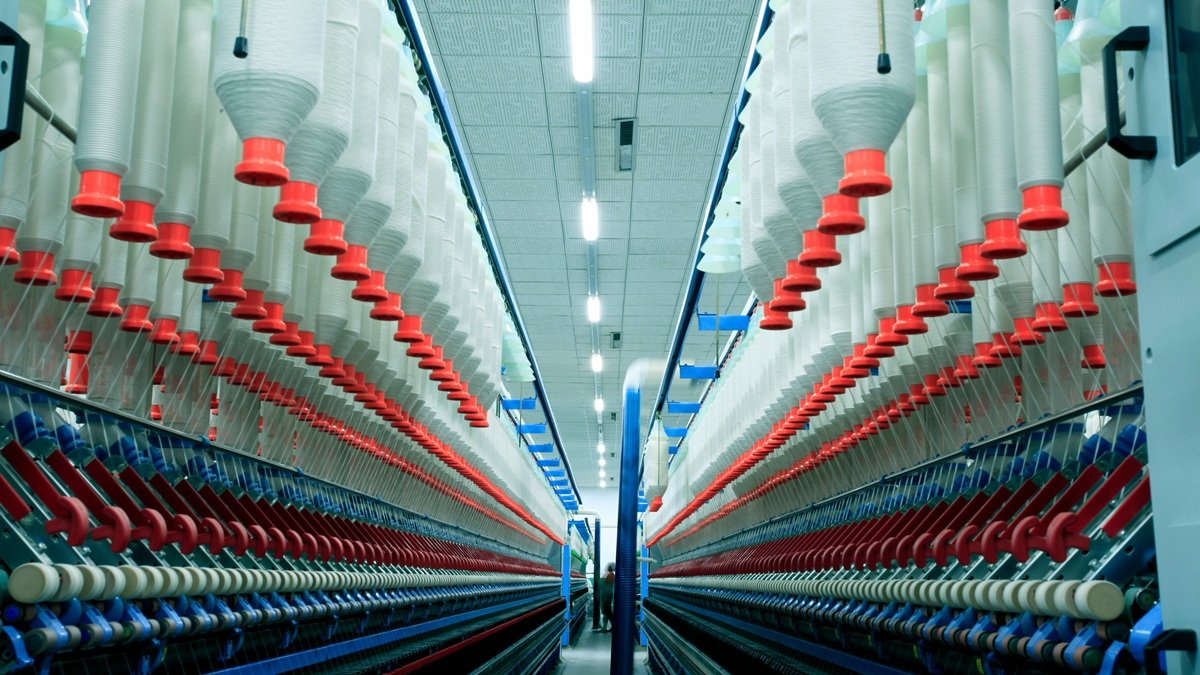

The Asian giant facilitates the sourcing of raw materials for its textile industry. China will apply reduced tariffs during 2026 to a total of 935 imported products, including key inputs for the textile and leather industry, according to the plan approved by the Customs Tariff Commission of the State Council and published by the Chinese Ministry of Finance.
According to the official document, “provisional tariffs will be applied to 935 imported products, excluding those subject to quotas.“ The measure will come into force on January 1st, 2026 and will be extended for the whole year, with possible adjustments in subsequent years.
In the textile industry, the most relevant reductions affect cotton, one of the country’s main inputs. Uncarded and uncombed cotton and carded or combed cotton will see their most-favored-nation (Mfn) tariff reduced from 6% to a provisional 1%. However, certain volumes of out-of-quota cotton will be managed through a staggered tariff, as stated in the document: “for a certain amount of imported out-of-quota cotton, a provisional tariff will continue to be applied through a staggered system”.
In-quota wool and cotton imported into China will have a tariff reduction from 6% to 1%
Wool, both raw and in intermediate stages of processing, will also benefit from the cuts. Uncarded and uncombed, greaseless and scoured wool will be reduced from 6% to a provisional 1%, while combed and top-spun wool will have its rate reduced from 8% to 3%, a measure that could favor the supply of industrial spinning.
In leather and footwear, China will cut tariffs on various categories of raw and semi-processed hides and skins. Wet blue full-grain bovine leather and other wet-grain bovine skins tanned with chrome salts and stored and transported wet will fall from 6% to 3%, while wet blue sheep and goat skins will go from 14% to 10%. The measure does not affect garments or finished fashion products, but only strategic inputs for industrial transformation.
The plan is complemented by additional reductions under existing free trade agreements, including the Regional Comprehensive Economic Partnership (RCEP), which groups China and 14 Asia-Pacific countries such as Japan, South Korea, Australia and New Zealand, as well as bilateral agreements with countries such as Switzerland, Serbia and Chile. According to the official document, “in accordance with the 24 free trade agreements and preferential agreements with 34 trading partners, the preferential tariff rate will continue to be applied to products imported from these partners”, reinforcing the competitiveness of their imports vis-à-vis other global production poles.
Countries with free trade agreements or preferential agreements with China will benefit from additional tariff discounts in 2026
From a strategic perspective, these measures make key inputs cheaper and consolidate China’s position as a global textile processing center, with advantages in spinning, weaving and tanning, as well as in the integration of the local production chain. For European industry, the adjustment could imply greater competitive pressure, although it could also open up opportunities to integrate Chinese suppliers into strategic supply chains.
The plan approved by the Customs Tariff Commission of the Chinese State Council is part of the country’s annual tariff adjustment, which includes 935 products under provisional tariffs, maintains quota systems for products such as wheat and fertilizers, and continues to apply tariff preferences to less developed countries for certain products.
Related content

Chinese Inflation Hits 0.7% in November, Setting a New 21-Month Record
10 dic 2025 - 07:24
China’s GDP to Slow to 4.3% by 2026 as Consumption and Investment Weaken
29 dic 2025 - 07:09

New Look Struggles with Shrinking Sales Amid Ongoing Restructuring
30 dic 2025 - 07:35
Latest news
New Look Struggles with Shrinking Sales Amid Ongoing Restructuring
30 dic 2025 - 07:35

Lefties Debuts in Home Appliances with Create, Taking a Cue from Zara Home
30 dic 2025 - 07:09

2025: Shein’s Pivotal Year in the Fashion Industry
30 dic 2025 - 05:00

From ‘Green’ to ‘Grey’: EU Relaxes Environmental Law
30 dic 2025 - 05:00


