Rehubs Pushes Recycling Goals to 2032 Due to ‘Industry Constraints’
The recycling initiative, backed by over 30 stakeholders including brands, manufacturers, and recyclers, aims to reach an annual installed capacity of recycling 2.5 million tons by then.
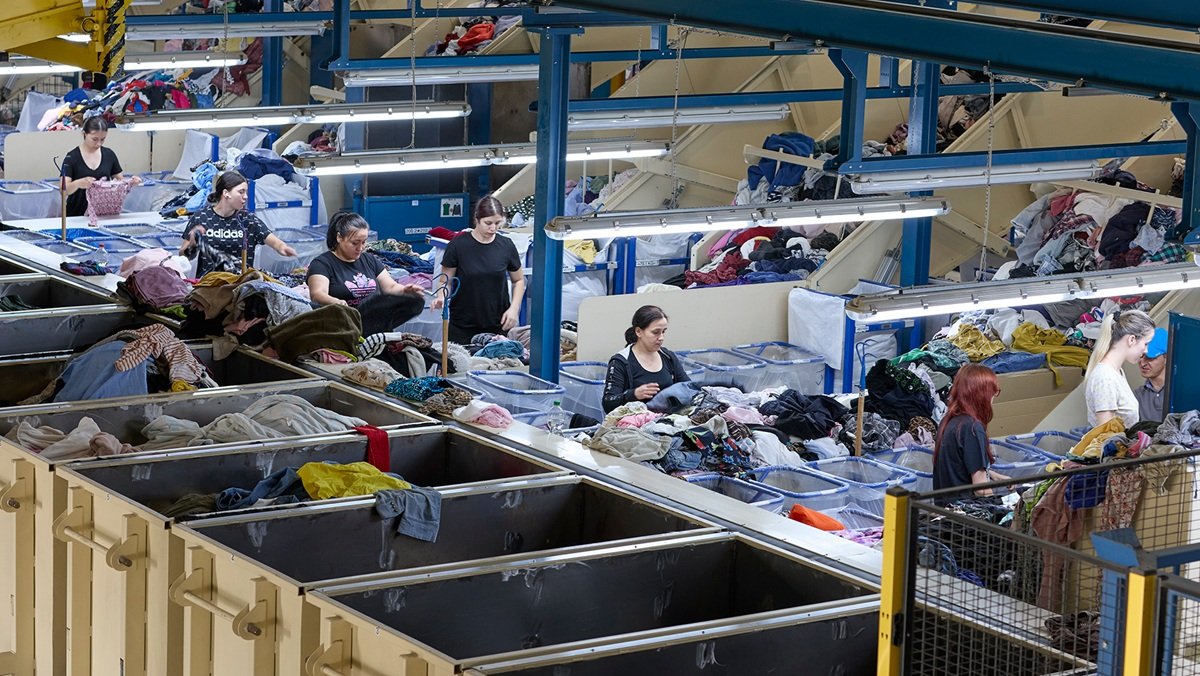

Rehubs redraws its plans for European textile recycling. The platform for the promotion of textile recycling in Europe, formed by different fashion companies, industrialists and European associations, has delayed its medium-term textile recycling targets by two years. The platform’s plans now call for an annual installed textile recycling capacity of 2.5 million tons by 2032, compared to the previous limit of 2030.
“Given the current constraints in the sector, this target is unattainable,“ explained Rehubs, “and the organization is facing a systematic supply-demand impasse, with brands unable to access quality, competitive recycled fibers, while recyclers face the risk of expanding without guaranteed demand.“
The decision of the entity, initially launched by Euratex in 2023, coincides with the final publication of its roadmap, already announced at the beginning of September, when it already advanced its objective of recycling between 35% and 40% of textile waste by 2030, as well as the mobilization of investments of between €5 million and €6 million.
Rehubs will launch concrete initiatives, such as a toolkit to facilitate the integration of recycling in SMEs
“By addressing both demand creation and supply development simultaneously, Rehubs seeks to create the market conditions necessary to scale industrial recycling, generate sustainable investments and replicate it globally,“ the platform has explained in the document published with its roadmap. After a sectoral study, through more than a hundred interviews, Rehubs has established a framework for action to advance its objectives, focusing on capacity and technology, collaboration, regulation and policies, and financing and investment.
At the core of its strategy, the entity, which has partners such as Inditex, Decathlon and Mango, as well as industrialists such as Coleo, Basf, Recover or Reju and associations such as Euratex, Rehubs will work on the basis of two pillars: comprehensive supply chain management and the coordination of financing, demand and capital. “By coordinating brands’ commitments to infrastructure investment, Rehubs wants to ensure that supply matches demand, and enables brands to adopt higher recycled content targets of between 20% and 40%,“ the platform explains.
Alongside its medium-term roadmap, Rehubs has also prepared a battery of concrete initiatives to support the sector, including a useful toolkit to enable small and medium-sized companies to be able to meet their targets for recycled content.These include a toolkit to enable small and medium-sized companies to participate in the integration of recycling into their supply chains and the creation of harmonized fiber quality and performance verification standards, for example.
Related content

Birkenstock projects double-digit growth through 2028 with renewed strategy
29 ene 2026 - 11:16

Levi Strauss Boosts Profitability: Dodges Tariff Impact and Triples Earnings
29 ene 2026 - 11:15

H&M keeps its finger on the pulse and earns 4.6% more at fiscal year-end
29 ene 2026 - 11:10

Gordon Brothers Takes Over LK Bennett, Sets Stage for Global Expansion
28 ene 2026 - 12:33
Latest news
Birkenstock projects double-digit growth through 2028 with renewed strategy
29 ene 2026 - 11:16
Levi Strauss Boosts Profitability: Dodges Tariff Impact and Triples Earnings
29 ene 2026 - 11:15
H&M keeps its finger on the pulse and earns 4.6% more at fiscal year-end
29 ene 2026 - 11:10
Gordon Brothers Takes Over LK Bennett, Sets Stage for Global Expansion
28 ene 2026 - 12:33