Emission Goals Missed: Just 29% of Fashion Leaders Reduce Impact
Fashion Revolution unveils its second report, scrutinizing the energy transition of 200 major industry players, which the organization cites as pivotal for sustainable progress.
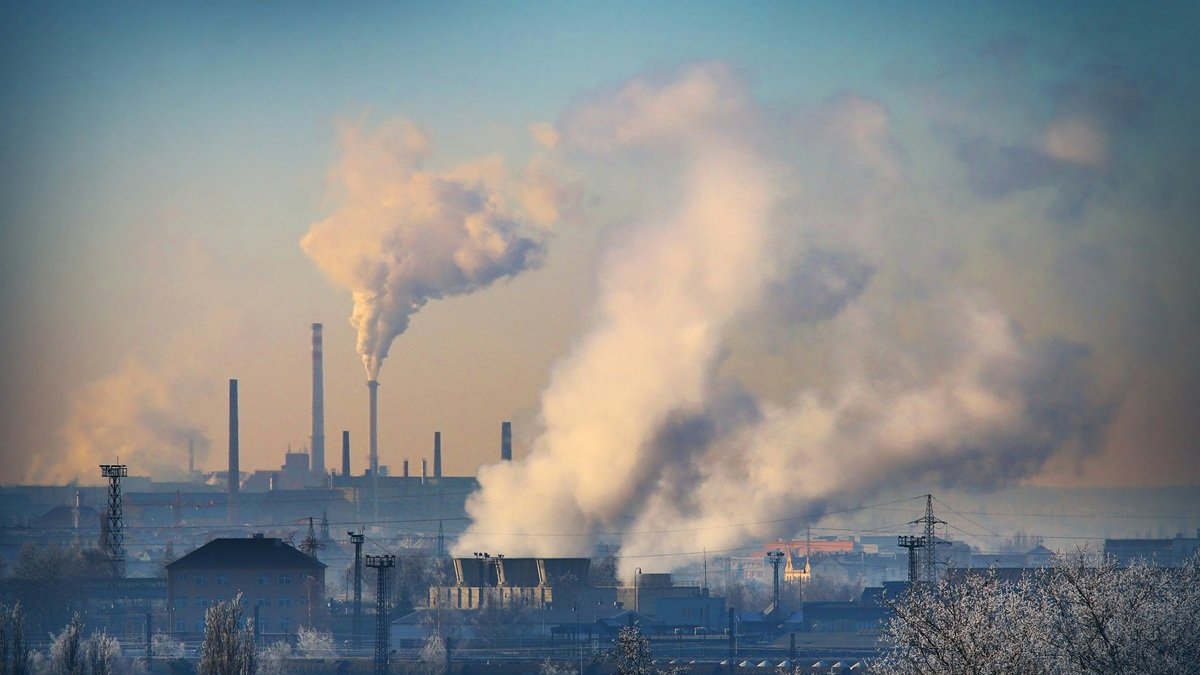


Less than a third of the world’s fashion giants show that they have actually reduced their emissions. The activist movement Fashion Revolution has published the second edition of the report What fuels fashion?, based on an analysis of the energy transition of the 200 largest companies in the fashion sector. According to the data extracted, according to the organization, only 29% of the fashion giants show that they have reduced their emissions.
Demonstrating through scientific evidence the sustainable claims made by companies has become one of the sector’s obligations, precisely in order to avoid false sustainable claims.Transparency within fashion regarding its electrification and emissions reduction plans is still “alarmingly low,“ explains Fashion Revolution, with an average of just 14% of companies making public a plan to do so.
According to the paper, barely one in ten companies has disclosed a concrete plan based on value chain electrification targets, which “leaves many companies without a roadmap to drive clean energy use in their chain.“ “The only and most accessible opportunity for change for fashion lies in clean energy,“ the entity advocates, adding that the combustion generated by fossil fuel boilers is the main source of emissions in the sector.
14% of fashion companies publish their electrification and emissions reduction plans
Fashion Revolution also points out that, although many of the companies have decarbonization ambitions, only 6% demonstrate the investment they channel to their suppliers to make the necessary changes. “To expect suppliers, working on such low margins, to be able to finance these million-dollar transitions is unrealistic,“ the text denounces.
Here, the organization has stressed the need for international companies to generate demand. “Suppliers cannot risk investing, and governments will not expand the supply of renewable energy without a clear demand for it,“ warns Fashion Revolution, which puts the number of companies publicly advocating renewable energy in producer countries at 7%.
The problem lies precisely in the value chain, since compared to 60% of fashion giants that disclose the supply of renewable energy in their own operations, only 11% do the same in their value chain. A large number of companies, moreover, use a method of offsetting emissions, which “masks the use of fossil fuels”.
Alongside the report, Fashion Revolution also publishes the Fashion Transparency Index, a ranking within the sector that, on the basis of five indicators (from published information to decarbonization, energy use, or energy efficiency), shows the extent to which companies are using the same method in their value chain.The report also includes the Fashion Revolution Fashion Transparency Index, a ranking within the sector which, based on five indicators (published information to decarbonization, energy use or financing of the supply chain transformation), assigns a percentage of implementation of the sustainable transformation of its energy sources.
H&M ranks first, with a 71% implementation rate, up from 61% the previous year. Calzedonia, Intimissimi and Tezenis share second place with 63%, while Puma, which held the top spot last year, takes a 51% implementation ranking. Also in the top 10 are OVS, Gucci, Gildan, Lululemon and Asics.
Related content

United Front: Italian Fashion Industry Moves to Safeguard ‘Made in Italy’
25 sep 2025 - 07:09


U.S. and India Ink Surprise Trade Deal Following EU Accord
3 feb 2026 - 12:16

Capri’s Fresh Start: Turns a Profit and Slashes Debt Following Versace Sale
3 feb 2026 - 12:14
Latest news
U.S. and India Ink Surprise Trade Deal Following EU Accord
3 feb 2026 - 12:16
Capri’s Fresh Start: Turns a Profit and Slashes Debt Following Versace Sale
3 feb 2026 - 12:14

Rituals Closes 2025 with a 15.7% Surge, Reaching €2.43 Billion
3 feb 2026 - 08:05

Puma Shakes Up Operations with Training Division, Taps Former Adidas Leader
3 feb 2026 - 07:53