Apparel Impact Institute Reports a Surge in Fashion Emissions for the First Time Since 2019
Data from the institute indicates that the fashion industry’s carbon footprint reaches 944 million tons annually, representing 1.78% of the planet’s total emissions.
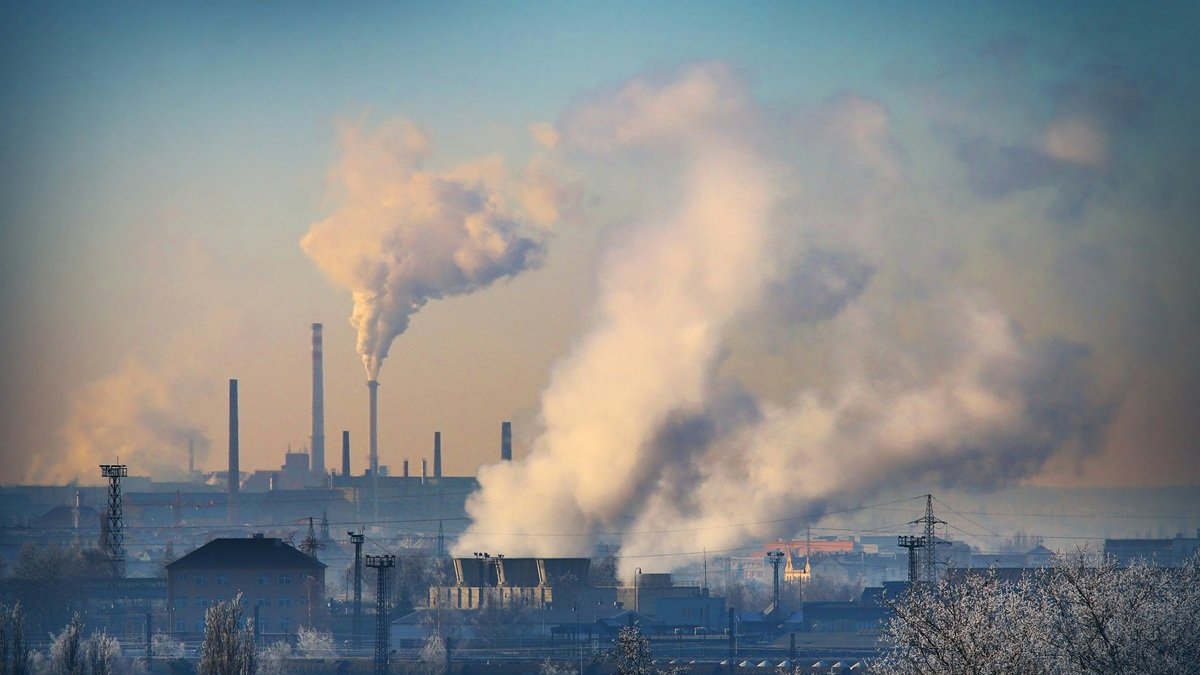


The fashion industry shot up its carbon emissions by 7.5% in 2023 compared to the previous year, reaching 944 million tons of carbon dioxide emissions, 1.78% of the global total. This is the first significant increase since 2019, according to the Apparel Impact Institute’s Taking stock of progress against the roadmap to net zero 2025 study.
This increase is mainly explained by the growth in the use of polyester driven by ultra fast fashion companies. In this regard, the institute points directly to Shein. In addition, the text states that textile processing, which includes stages such as weaving, washing, dyeing and finishing, accounts for 55% of the sector’s emissions.
After processing, the most polluting stage would be the cultivation of raw materials, with a total of 22% of the total emissions of the fashion industry. According to the report, if this trend does not slow down, the sector will emit 1.24 million tons of carbon dioxide in 2030, well above the target of 489 million tons.
According to the report, if the trend continues, the sector will emit 1.24 million tons of CO2 in 2030
Along these lines, the report reviews the most polluting materials. The main one: polyester. This material accounted for 57% of the total production of textile fibers in 2023. Its origin in fossil fuels and its intensive use in fast fashion make it the main cause of the increase in emissions. Moreover, only 12.5% of it was recycled.
In second place was nylon, with a high carbon footprint and a low level of recycling. This was followed by acrylic, produced using petrochemicals, and, in fourth place, cotton, responsible for 20% of fiber production.
The study concludes that the delay in recycling is largely to blame for these figures: recycled polyester has remained stagnant at between 12% and 14% for the last five years. Of cotton, only 1% is recycled; of wool, 6%, and of nylon, 2%.
However, the article also strikes a positive note. H&M is reported to have reduced indirect emissions in its value chain by 24%. Mas holdings, for its part, would have reduced by 20% both its direct and indirect emissions associated with electricity and heat.
Finally, the report also highlights the incursion of new companies such as Ambercycle, Syre and Circ in the development of recycled fibers. And it makes some recommendations: it proposes that companies invest more in their decarbonization and, at the same time, prioritize suppliers with low emissions.
Related content

Shein’s Emissions Rise 23% by End of 2024, Despite Sustainability Claims
16 jun 2025 - 09:57

Hermès Expands Production Capabilities with New Leather Facility in Normandy
2 feb 2026 - 15:33

India Ramps Up Textile Drive with Tax Breaks, Looks to Solidify EU Agreement
2 feb 2026 - 07:56
Latest news
Hermès Expands Production Capabilities with New Leather Facility in Normandy
2 feb 2026 - 15:33
India Ramps Up Textile Drive with Tax Breaks, Looks to Solidify EU Agreement
2 feb 2026 - 07:56