U.S. and India Ink Surprise Trade Deal Following EU Accord
India Celebrates Dual International Milestone: Following a historic agreement with the EU, Washington and New Delhi agree to cut tariffs to 18%, unlocking new opportunities for exporters in fashion, footwear, and textiles.
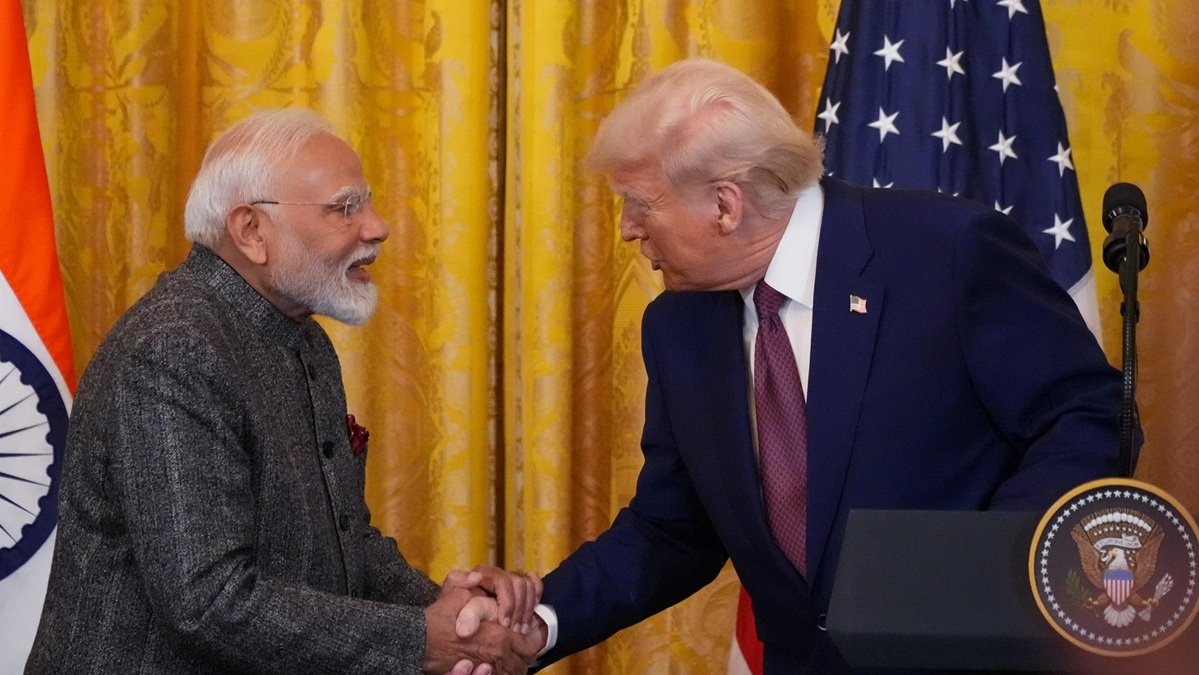

The United States and India announced Monday a surprise trade deal that seeks to reduce tariffs on Indian goods from 50% to 18%, also eliminating duties linked to the purchase of Russian oil, U.S. President Donald Trump confirmed on his social networks.
The pact comes barely a week after India signed a historic free trade agreement with the European Union (EU), which promises to reduce tariffs on almost all European products and double the bloc’s exports to the Asian country by 2032.
According to Trump, the deal with India includes the purchase of more than $500 billion in U.S. goods, from energy and technology to agriculture and coal. Indian Prime Minister Narendra Modi welcomed the initiative, calling it “wonderful” and highlighting the cooperation between the two powers.
The US-India agreement includes the purchase of US goods (energy, technology and agriculture) worth more than $500 billion
The textile and footwear sector, one of the sectors affected by the US tariffs, is one of the direct beneficiaries of the agreement, since the reduction in tariffs will make it possible to reactivate exports and improve the competitiveness of Made in India products in strategic markets.
Analysts point out that the measure seeks to balance the EU’s influence in the Indian market. Terry Haines, founder of the firm Pangaea Policy, pointed out on LinkedIn that the US agreement “responds to those who thought that Europe would gain speed over the US in trade”, opening new opportunities for companies from both countries.
Despite the progress, some U.S. sectors have reservations. The We Pay the Tariffs coalition, which groups some 800 small businesses, warned that the reduction to 18% keeps tariffs six times higher than before Trump’s policies, which could make imported products more expensive for U.S. retailers and consumers.
Related content
India Ramps Up Textile Drive with Tax Breaks, Looks to Solidify EU Agreement
2 feb 2026 - 07:56

EU Unlocks Market with Historic Free Trade Agreement with India
27 ene 2026 - 10:35

Luxury Travels to America under Trump’s shadow
2 dic 2025 - 05:00

Capri’s Fresh Start: Turns a Profit and Slashes Debt Following Versace Sale
3 feb 2026 - 12:14
Latest news
Capri’s Fresh Start: Turns a Profit and Slashes Debt Following Versace Sale
3 feb 2026 - 12:14

Rituals Closes 2025 with a 15.7% Surge, Reaching €2.43 Billion
3 feb 2026 - 08:05

Puma Shakes Up Operations with Training Division, Taps Former Adidas Leader
3 feb 2026 - 07:53

JW Anderson Returns to Profit in 2024 Despite 4.8% Revenue Dip
3 feb 2026 - 07:20