Euro Parliament Endorses Streamlined Sustainability, Paving the Way for Change
In late October, the European Parliament rejected the proposed agreement with the European Commission, delaying the regulatory simplification and decreasing the count of companies subject to Due Diligence and sustainability reporting.
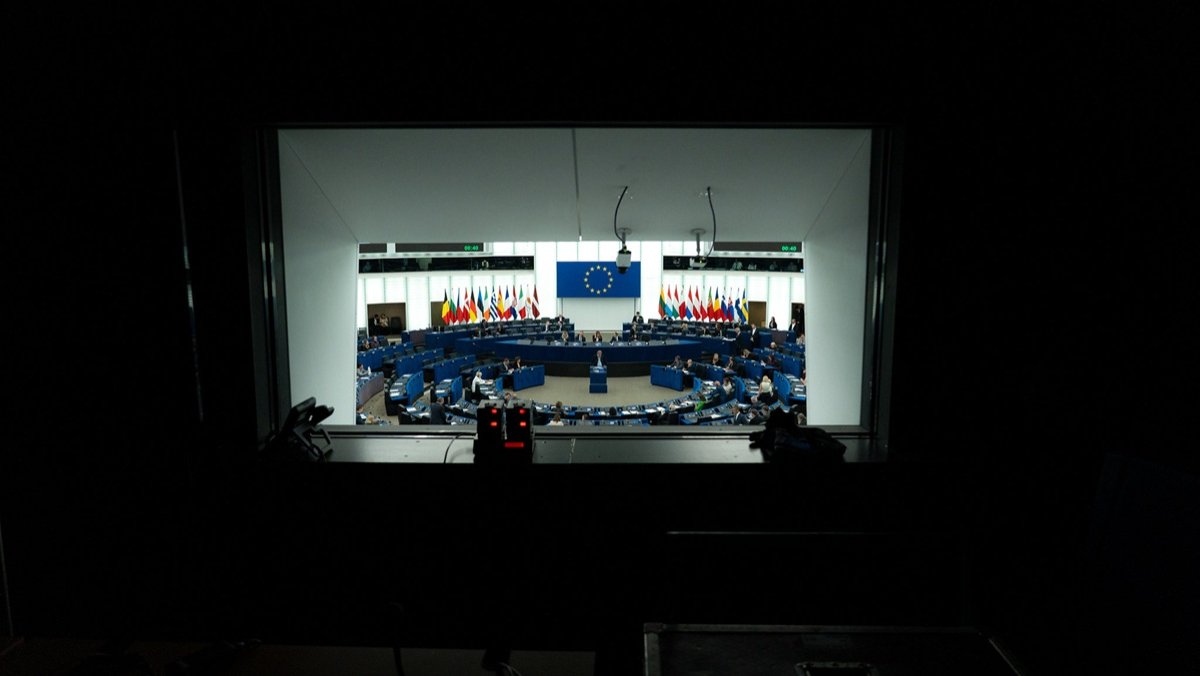


After the setback at the end of October by the European parliamentary representatives, the European Parliament has approved its new position on the Omnibus package, the package of measures promoted in Brussels to reduce the sustainable burden on European companies. The text is back in line with the European Commission’s position, which sought to delay implementation and reduce the number of companies affected.
“Today’s vote shows that Europe can be both sustainable and competitive,“ explained Jörgen Warborn, MEP for the People’s group and representative of the legal affairs committee within the chamber. Warborn clarified that the new text adopted today will simplify the rules, reduce costs and provide companies with “the clarity they need to grow, invest and create competitive jobs”.
The position adopted today, which has resulted in 382 votes in favor, 249 against and 13 abstentions, puts a new framework in two of the main legislative rules that companies were going to have to comply with. On the one hand, the Corporate Sustainability Reporting Directive (CSRD) will now only affect companies with more than 1,750 employees and a turnover of €450 million.
The European Parliament will negotiate with the European Commission from November 18th
“Reporting standards would be further simplified and reduced, requiring less qualitative detail, and sectoral information would become voluntary,“ explains the European Parliament in a press release. Small companies would also be “protected” from having to provide the same information requirements as their trading partners, who would not be able to request more information than that set out in the voluntary standards.
The second regulation affected will be Due Diligence, which obliges companies to take responsibility for their value chain. In this case, the European Parliament’s position indicates that only companies with more than 5,000 employees and an annual turnover of €1.5 billion will be affected.
“Instead of systematically requesting information from their smaller partners, they should use what is already available, using these partners only as a last resort,“ explains the European Parliament. In this way, the legislative arm of Brussels aims to reduce the impact of the transitions that companies must carry out to align with the decarbonization targets agreed in the Paris Agreement.
The European Parliament will now start negotiations again on November 18th with the leaders of each Member State, represented in the European Commission. The aim is for these reductions to be agreed by the end of the current financial year.
Related content

EU Parliament Pushes Back on Omnibus Package: Regulatory Streamlining Rejected
22 oct 2025 - 16:52



Jewelry shields Richemont
19 ene 2026 - 04:09
Latest news
Jewelry shields Richemont
19 ene 2026 - 04:09

Asics Strengthens Production: Onitsuka Tiger Launches First Factory in Japan
16 ene 2026 - 08:03