

Chinese Inflation Hits 0.7% in November, Setting a New 21-Month Record
November brings a wave of change for China’s economy as inflation rates soar to their highest in nearly two years. After a mere 0.2% rise in October, the country dodges deflation for the second month straight, showcasing resilience on the global stage.
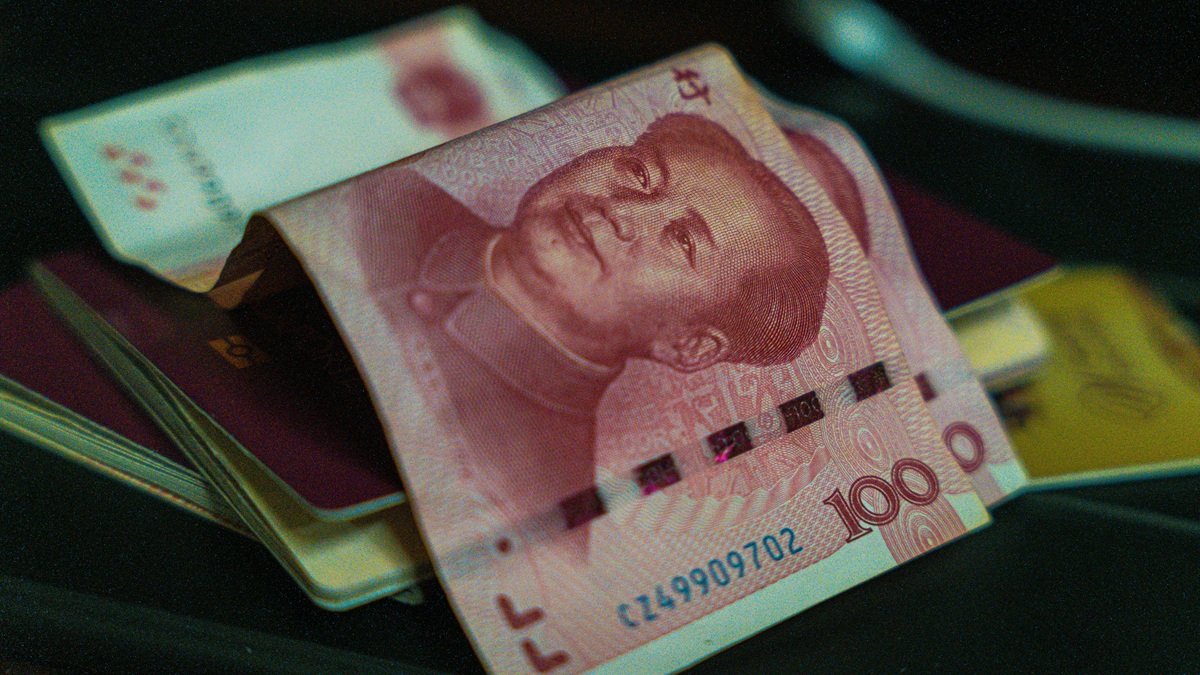

China’s consumer price index (CPI) posted a year-on-year rise of 0.7% in November, accelerating from the 0.2% price rise in October and reaching its highest level in 21 months, the National Bureau of Statistics (NSO) has reported.
Thus, the year-on-year inflation rate of the Asian giant has avoided deflation for the second consecutive month, although in the cumulative of the first eleven months of 2025 the average inflation rate has stood at 0%.
On the other hand, the underlying inflation rate, which excludes food and energy due to their greater volatility, recorded a year-on-year increase of 1.2% in November.
Underlying inflation increased by 1.2% year-on-year in November
Likewise, in the case of industrial production prices, the benchmark sharpened its decline in the penultimate month of the year, with a reading of -2.2% compared to -2.1% in October, extending the deflationary sequence to 38 consecutive months.
The main driver of the CPI rebound was a larger-than-expected increase in food prices (+0.2%) due to the rise in fresh vegetables (+14.5%), noted Lynn Song, chief China economist at ING Research, who anticipates that the rise in food prices could continue in the coming months.
“The recent positive CPI momentum could generate a small positive reading for 2025 as a whole,“ the expert has pointed out, although he does not expect this to limit the easing of monetary policy by the People’s Bank of China next year.
“Recently, the focus has been on getting a good start for 2026, the first year of the next Five-Year Plan. This will likely require a new wave of supportive policies in the early months of next year. Therefore, we estimate rate cuts of 20 basis points in 2026,“ he has predicted.
Related content

China’s Historic Leap: Trade Surplus Exceeds $1 Trillion for the First Time
9 dic 2025 - 14:43

Kering Sets Sights on Asian Growth: Strategic Investment in China’s Borland
3 dic 2025 - 13:25

US Fashion Lead Challenged: China and India Closing the Gap by 2029
2 dic 2025 - 09:14
Latest news

Pat McGrath Labs Faces Legal Hurdles: Makeup Brand Files for Bankruptcy
26 ene 2026 - 14:13

G-III Secures North American License for London-Based French Connection
26 ene 2026 - 10:54

Farewell to Romualda: The End of Almeria’s Iconic XXL Hats
26 ene 2026 - 05:00

Guess Goes Private: Authentic Brands Secures Majority Stake in Iconic Label
23 ene 2026 - 12:27


