

China’s GDP to Slow to 4.3% by 2026 as Consumption and Investment Weaken
In 2026, China braces for moderate economic expansion fueled by exports, yet dampened by tepid consumer expenditure. According to J.P. Morgan, a GDP growth of 4.3% is expected as the nation grapples with a real estate downturn and surplus industrial capacity.
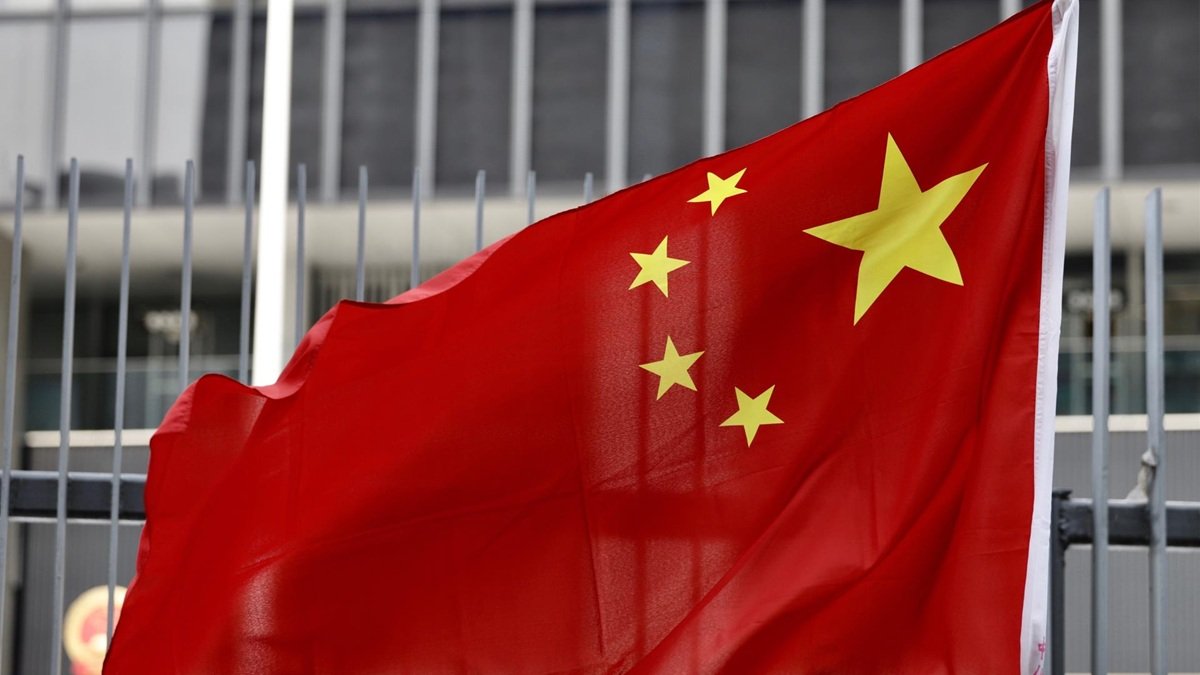

China enters 2026 with an economy that continues to show structural imbalances. According to JP Morgan Private Bank forecasts, the country will grow by 4.3% next year, in a range between 4.1% and 4.6%, moderating the pace recorded in 2025 and confirming the loss of traction of domestic demand as a growth driver.
The report identifies a “growing dependence on the external sector” as one of the features of the current growth pattern of the Chinese economy. While the real estate market continues to contract and private investment shows persistent signs of weakness, exports have assumed a central role in growth, reinforcing a pattern that the bank describes as “structurally unbalanced”.
On the policy front, JP Morgan anticipates a “moderately expansionary” approach, albeit without aggressive stimulus. The fiscal deficit would remain at around 4% of gross domestic product (GDP) in 2026, complemented by greater recourse to public policy banks and debt issuance by local governments. In parallel, the People’s Bank of China is expected to opt for a fine-tuning strategy, prioritizing liquidity operations and reserve ratio changes over significant interest rate cuts.
Private consumption will continue to be one of the main weaknesses in the macroeconomic scenario. After slowing across the board in 2025, retail sales show a limited recovery. The weakening labor market, slower wage growth and the loss of wealth associated with the housing slump continue to weigh on household spending, according to the U.S. bank’s analysis.
After slowing across the board in 2025, China’s retail sales show limited recovery
Consumption stimulus policies will be maintained in 2026, albeit with adjustments. Programs such as subsidies for the replacement of durable goods will remain in place, but on a smaller scale after results considered modest. JP Morgan notes that, without a clear improvement in employment, “the ability of these measures to sustainably revive domestic demand will remain limited”.
On the industrial side, China is facing a growing problem of overcapacity that goes beyond the traditional sectors. For the textile and fashion sector, the scenario drawn by JP Morgan is ambivalent. On the one hand, China’s export strength will continue to sustain the activity of its extensive supply chain, from spinning and weaving to apparel, supported by structural cost advantages, industrial scale and a production integration that is difficult to replicate.
However, the report highlights that this oversupply has spread to strategic industries such as electric vehicles, batteries, solar energy and certain services, intensifying price competition and eroding business margins. The authorities have launched campaigns to curb this dynamic, but its impact will be gradual and medium-term.
Chinese exports to non-US markets will slow their rise due to anti-dumping measures and trade barriers in Europe and emerging countries
The report warns of increasing pressure on margins due to overcapacity, intensifying price competition and moderating wage growth as a result of a weak labor market. In addition, domestic consumption is still fragile, limiting the recovery of domestic demand for fashion.
In foreign trade, China will continue to consolidate its role as a major export power, with a share of close to 15% of world trade. However, JP Morgan forecasts a moderation in export growth in 2026, conditioned by the hardening of trade tensions and the proliferation of protectionist measures, especially in the European Union and emerging economies.
Finally, the bank rules out a significant appreciation of the yuan despite the strong trade surplus. The currency will continue to move within ranges controlled by the monetary authorities, prioritizing external competitiveness and macroeconomic stability over a limited impact on domestic purchasing power. Overall, the JP Morgan report forecasts a scenario for 2026 with a more stable Chinese economy, but still far from correcting the underlying imbalances of its growth model.
Related content

Chinese Inflation Hits 0.7% in November, Setting a New 21-Month Record
10 dic 2025 - 07:24

Mexico Imposes Up to 50% Tariffs on Chinese Goods in Trade Crackdown
11 dic 2025 - 14:15

US Fashion Lead Challenged: China and India Closing the Gap by 2029
2 dic 2025 - 09:14
Latest news

Coupang Allocates €850 Million in Vouchers for Data Breach Victims
29 dic 2025 - 07:14


Primark’s Reign Faces a Hurdle as It Returns to Basics
29 dic 2025 - 05:00

Swiss Fund Arklyz Acquires German Footwear Company Gabor
26 dic 2025 - 11:46


