Puma Restructures DTC Operations, Appoints Ronald Reijmers as Global VP
The German conglomerate has restructured its direct-to-consumer units into distinct online and global segments, relieving the former vice president of both. An announcement is expected soon on who will take the helm of the digital division.
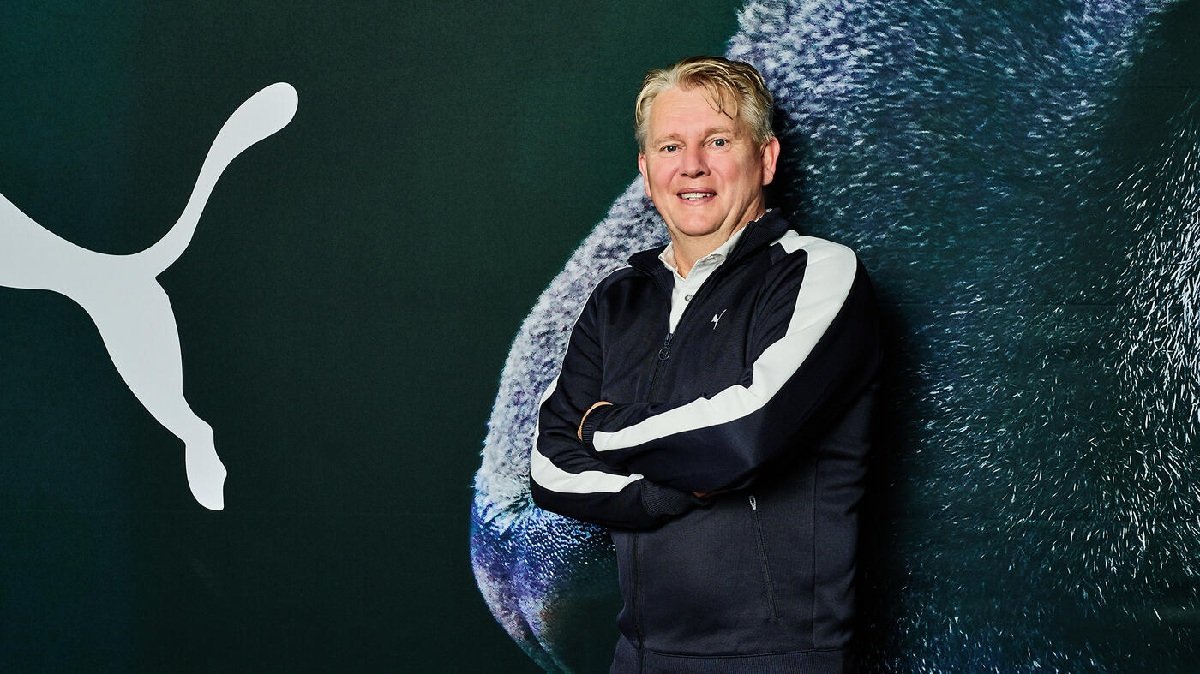


Puma splits its divisions. The German sports apparel and footwear company has split the direct-to-consumer business into two separate focus areas, global retail and global e-commerce, and has appointed Ronald Reijmers as global vice president of sales for the former, taking over from Erik Janshen, who has decided to leave the company to take on new professional challenges outside the group, Puma said in a statement.
Reijmers will take up the position on November 1 and will report directly to group chief commercial officer Matthias Bäumer. “Ronald is a highly experienced leader with a strong industry track record who will bring deep global expertise in retail strategy and operations, and will help us strengthen momentum in our global retail channel,“ the executive said. Puma said it will announce in the near future who will lead its global e-commerce channel.
Reijmers will oversee the development of the company’s stores and outlets worldwide. Reijmers has nearly three decades of experience in the sports industry, with leadership roles in retail strategy and management at Nike, Adidas and, most recently, Gymshark.
Puma reported a loss for the first half of 2025 and expects to remain in the red for the full year
This business division is part of Puma’s strategy to accelerate its growth and fine-tune its organizational structure, according to the company’s press release.
Puma posted a loss of €246.6 million in the first half of 2025, compared to a profit of €129.3 million in the same period last year, and a 1% drop in sales. The company has already anticipated that it will also close the year in the red and has cut its turnover forecasts.
Puma shares rallied 5% in September on rumors of a possible acquisition by Adidas. Weeks earlier, the Pinaults, the group’s historical shareholders, had discussed the sale of their 29% stake in the company, under pressure from Kering’s negative performance, although the transaction did not materialize.
Related content

Adidas-Puma Merger: A Game-Changer for the Athletic World?
18 sep 2025 - 05:00
Puma Gains Ground on Stock Market as Kering Ownership Rumors Swirl
26 ago 2025 - 06:38

Puma Taps Adidas Veteran Andreas Hubert as New COO
1 ago 2025 - 07:46

Anta Buys 29% of Puma for $1.5 billion
27 ene 2026 - 09:09
Latest news

Gordon Brothers Takes Over LK Bennett, Sets Stage for Global Expansion
28 ene 2026 - 12:33

Galeries Lafayette Finalizes Sale of BHV Building Amid Shein Controversy
28 ene 2026 - 12:30

VF Corp’s Q3 Results Shine with 28% Boost as Business Reorganization Unfolds
28 ene 2026 - 08:23

Claire’s Faces Another Setback in the UK with Second Bankruptcy in Six Months
28 ene 2026 - 08:21