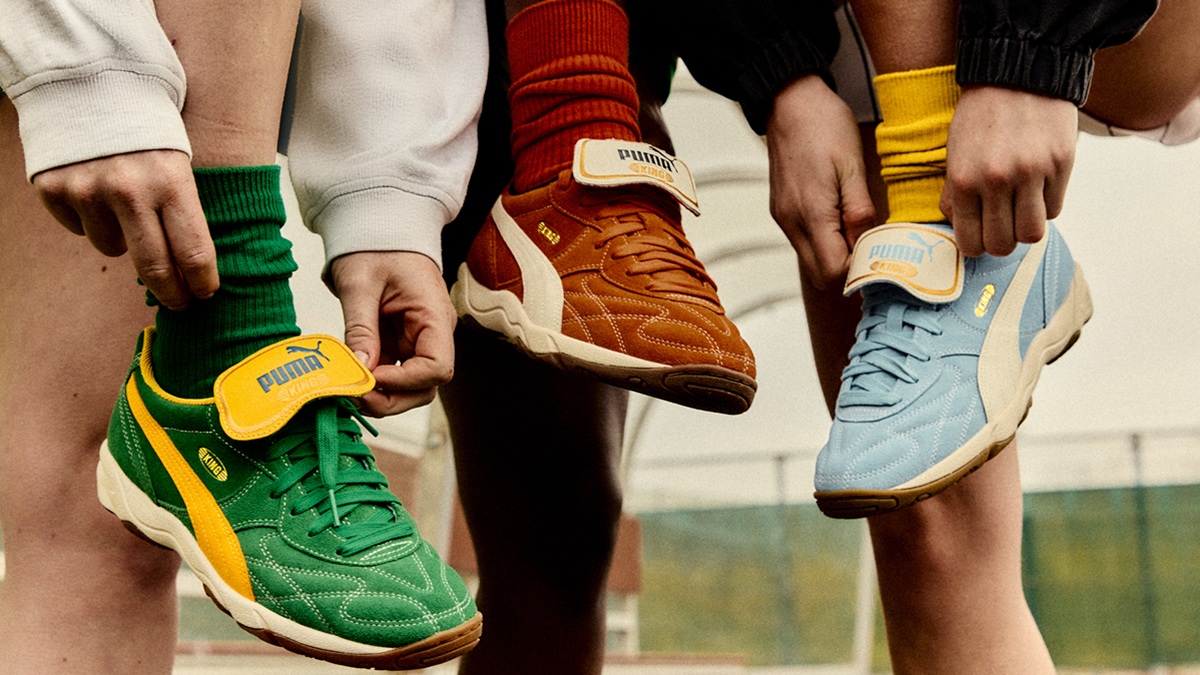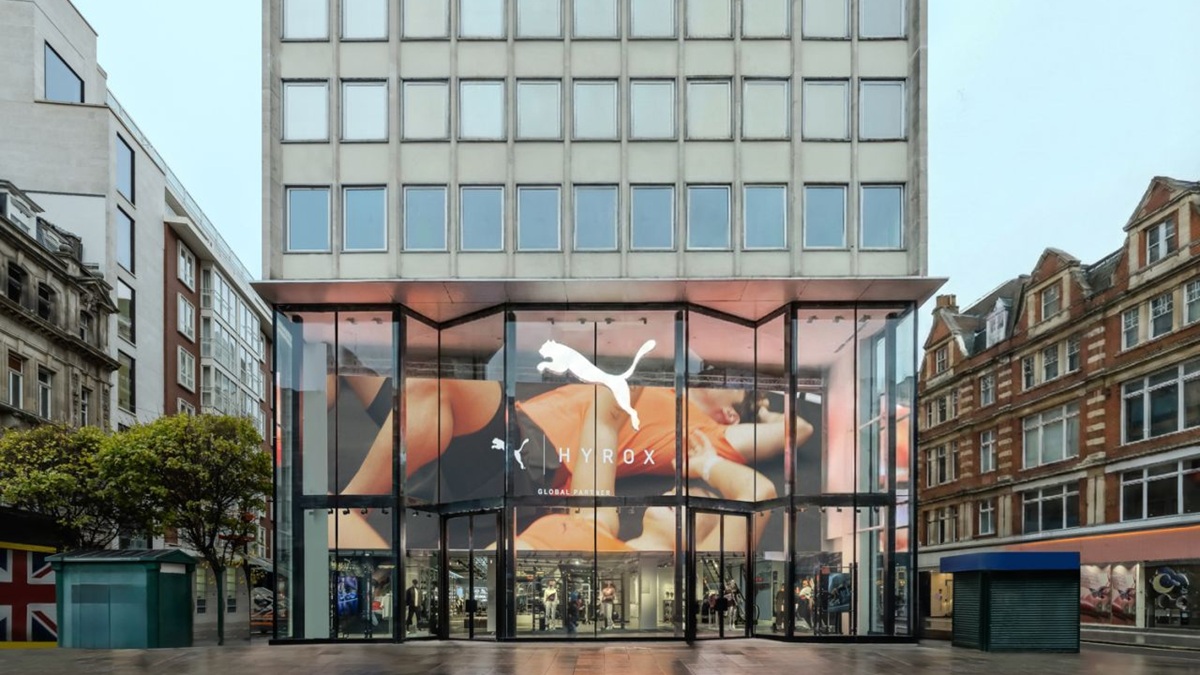
Puma was born in 1948 in post-war Germany after a family feud between the brothers Rudolf and Adolf Dassler, founders since the 1920s of what is now Adidas. Rudolf Dassler then created Gebrüder Dassler Schuhfabrik and the Puma brand, which in 1952 launched its first commercial success, the Super Atom soccer boots.
As the German sports gear giant undergoes a significant overhaul, industry giants like Anta, Li Ning, and Asics are reportedly eyeing the company. Its shares have nosedived by 60% year-to-date.
The German group has inked a long-term licensing deal with ULAC, previously holding a 49% stake in Puma’s subsidiary that spearheaded the business, managing production and distribution in the region.
While the first is on the offensive, the second is trimming and tweaking. Both have spent recent years indulging in the unpredictable world of fashion, and now they are poised to leverage sports and technical wear to either gain or reclaim market share.
The sportswear giant has reported revenues of €5.973 billion and a gross profit of €2.754 billion, both falling short of the figures recorded by the company during the same period last year.
The German conglomerate has restructured its direct-to-consumer units into distinct online and global segments, relieving the former vice president of both. An announcement is expected soon on who will take the helm of the digital division.
A potential merger could create the largest sneaker portfolio in the market, with the category having become a driving force in sports. Adidas would contribute icons like the Gazelle and Superstar, while Puma would bring the Suede and Speedcat to the table.
Shares in the German sportswear leader Puma surged by more than 15% following the Pinault family’s revelation of their intent to divest their 29% holding.
Having been with Adidas since 2005, the executive now takes on a pivotal role at Puma. Hubert is tasked with managing global sourcing, with additional responsibilities in sustainability, development, and logistics from September onwards.
The German sportswear giant ends the period in the red with a loss of €246.6 million, as previously forecasted. Sales slipped 1% to €4.01 billion during this time.
With a €247 million loss in the second quarter, the German athletic gear group recorded €1.94 billion in sales, reflecting a 2% decrease from the corresponding 2024 timeframe.
The German sportswear brand is set to pay the English club approximately £100 million annually under the new renewal terms, a substantial increase from the previous £65 million. The deal extends through 2035.