Fendi’s New Direction: Ramon Ros Trims Executive Team in Cost-Cutting Move
LVMH’s brand faces the challenge of reversing declines in key markets, spurring the Spanish CEO to implement austerity tactics with layoffs, store closures, and relocation of the headquarters to France.
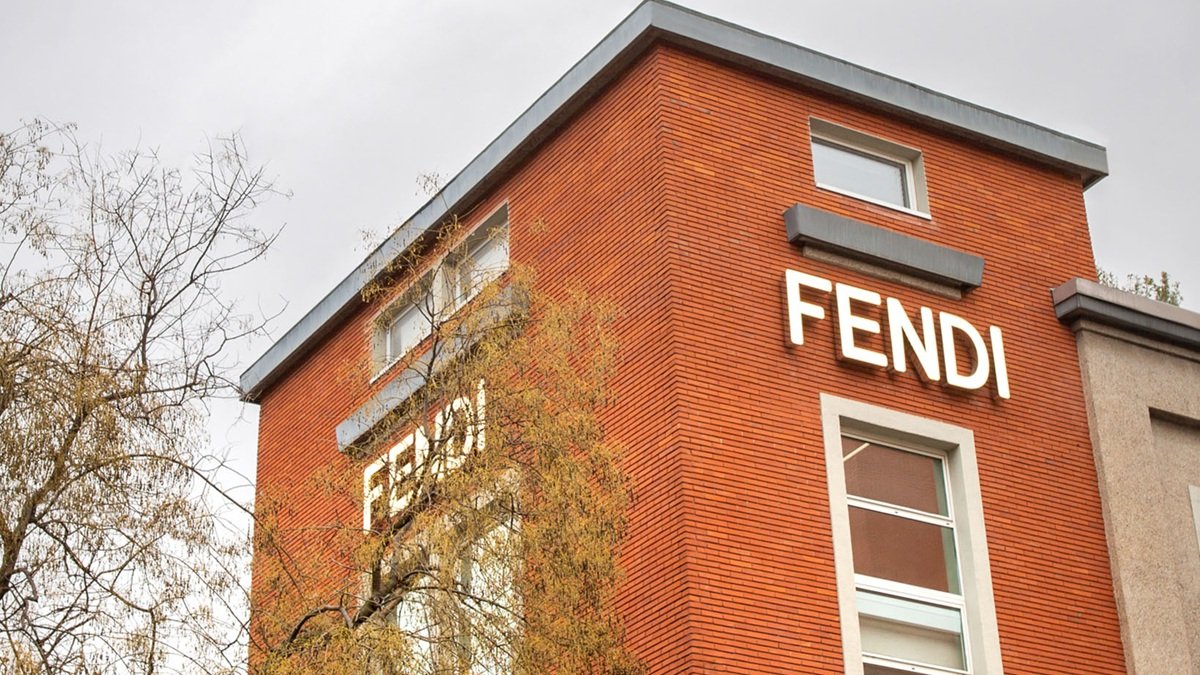

Fendi is entering a shock phase. Since his arrival at the helm of the Roman house last April, the Spaniard Ramon Ros has implemented an austerity regime in the LVMH brand, with a campaign of cuts that has already led to the departure of a dozen top managers and the first closures in French retail, according to the French media Glitz. The current objective is to adjust the structure to a context of slowdown and prepare the ground for the new creative cycle that opened in October.
In mid-September, in a videoconference open to the entire staff, the question that hovered over the meeting was direct: “How to make Fendi great again?”. Although Ros then avoided specifying the plan, in the weeks that followed he deployed a strategy that consisted of implementing drastic savings and remaking the Roman house’s general staff.
In this context, the list of departures has expanded in recent months. The movement began with Alessandra Basso, CEO of Fendi France, and continued with Paolo Lauretta, global human resources director; Natasha Davis, head of visual merchandising; Corinne Cavallin, global product and merchandising director; Gioia Persichini, style director for accessories, belts and small leather goods; Stefano Rellini, women’s ready-to-wear development director; Stefano Bartolozzi, ready-to-wear industrial director; and Laura Palazzolo, women’s footwear manager.
The case of Lauretta illustrates the change of phase. Coming from Gucci, the executive has been removed from the executive function and Ros has assumed his responsibilities on an interim basis, while the head of human resources remains for a few weeks as advisor to the CEO before leaving Fendi and the LVMH group for good, notes the French research media.
Spaniard Ramon Ros took over the management of Fendi in April
More unique is the situation of Alberto Fabbri, until now global director of governance. Although he is leaving the Fendi structure, the company will recognize his dedication to the house of the double F and he will be promoted to vice president of LVMH Italy, one of the most influential entities in the group, headed by Antonio Belloni, former right-hand man of Bernard Arnault.
However, not all relays are resolved within the perimeter of the conglomerate. As with Lauretta, Natasha Davis is leaving the group. The reshuffling of the top management includes management, industrial and merchandising profiles, but also names linked to the creative heart of the firm.
Ros had warned from the beginning. According to Glitz, in his first internal messages he made it clear that he would prioritize efficiency over family and personal ties, a statement loaded with meaning in a house that employs numerous members of Roman high society and historical families linked to the brand.
The change in structure is partly explained by the new creative phase, but also by the need to correct the excesses of the recent past. According to the French media, Fendi is dragging worrying falls in several markets, especially in France, and the re-edition of the Spy, one of its historical bags, has failed in the attempt to become a sales engine again. Like all other major fashion houses, the company can hardly thrive without a successful iconic bag to drive business.
In this context, the return of Maria Grazia Chiuri from Dior, confirmed by LVMH in October, works more as a backdrop than as isolated news. The Italian designer, who had already spent time at Fendi in the late 1990s, was appointed global creative director, a role that concentrates the different lines of the house under a single vision. Thus, the creative team is being adjusted and some key positions will be filled by regular collaborators of the designer.
Maria Grazia Chiuri has been named creative director of Fendi following her departure from Dior.
Among the names poised to take on more weight is Rachele Regini, Chiuri’s daughter, who should succeed Maria Elena Cima at the helm of global advertising communications, image, heritage and editions. Chiuri’s return has also had a direct effect on the role of Silvia Venturini Fendi, granddaughter of the founders, who has become honorary president after leaving the maison’s creative front line.
The internal offensive comes, moreover, after a cycle of ambitious expansion in Europe. Under the presidency of Andrea Rigogliosi at Fendi Europe, between 2021 and 2024, the company launched several projects described as lavish that are now weighing on the income statement. These include the opening of the Fendi flagship store in via Montenapoleone in Milan, at a very high rent, and the expansion of the brand’s space in Cannes.
The current priority is to downsize. To alleviate the impact of these commitments, Ros has begun to review the commercial perimeter in France. Fendi’s men’s corner in the LVMH-owned luxury department store La Samaritaine in Paris has already closed. The Printemps footwear outlet has received an extension, but, according to the same reports, is scheduled to close at the end of the year.
The adjustment also affects the offices. In early June, Fendi France moved its headquarters from the coveted Avenue George V to Avenue de Friedland, in the same Parisian district. The company has taken advantage of the end of the lease to move into a smaller space and cut the cost of rent, in line with the other cost-saving measures. The result is a lighter Fendi with a changing organizational chart, strict cost discipline and a virtually reworked management team.
The plan also comes at a challenging time for luxury. LVMH closed the first nine months of 2025 with a turnover of €58.09 billion, 4% less than in the same period of the previous year and an organic decline of 2%, after posting a 1% increase in the third quarter driven by the improvement in Asia and the pull of Sephora. The fashion and leather goods division, where Fendi is integrated, reduced the decline to 2% organic in the quarter and reached €27.61 billion through September.
Related content
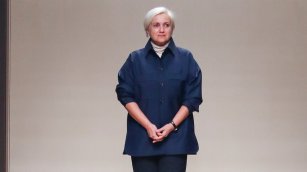
Fendi’s New Era: Silvia Venturini Steps Back, Paving Way for Creative Transition
29 sep 2025 - 15:55

The Marc Jacobs Puzzle: The Sale Shaking Luxury
17 nov 2025 - 05:00

Kering’s Pragmatic Pivot: Is De Meo Setting the Stage for a Brand Sale?
3 nov 2025 - 05:00
Latest news


Jewelry shields Richemont
19 ene 2026 - 04:09

Asics Strengthens Production: Onitsuka Tiger Launches First Factory in Japan
16 ene 2026 - 08:03