The Marc Jacobs Puzzle: LVMH’s Next Move and the Shifting Luxury Landscape
The future of iconic Marc Jacobs is back under the spotlight. After a decade of adjustments and a stalled negotiation with potential buyers, the brand exposes the tensions between creativity, scale, and governance that are reshaping the luxury sector.
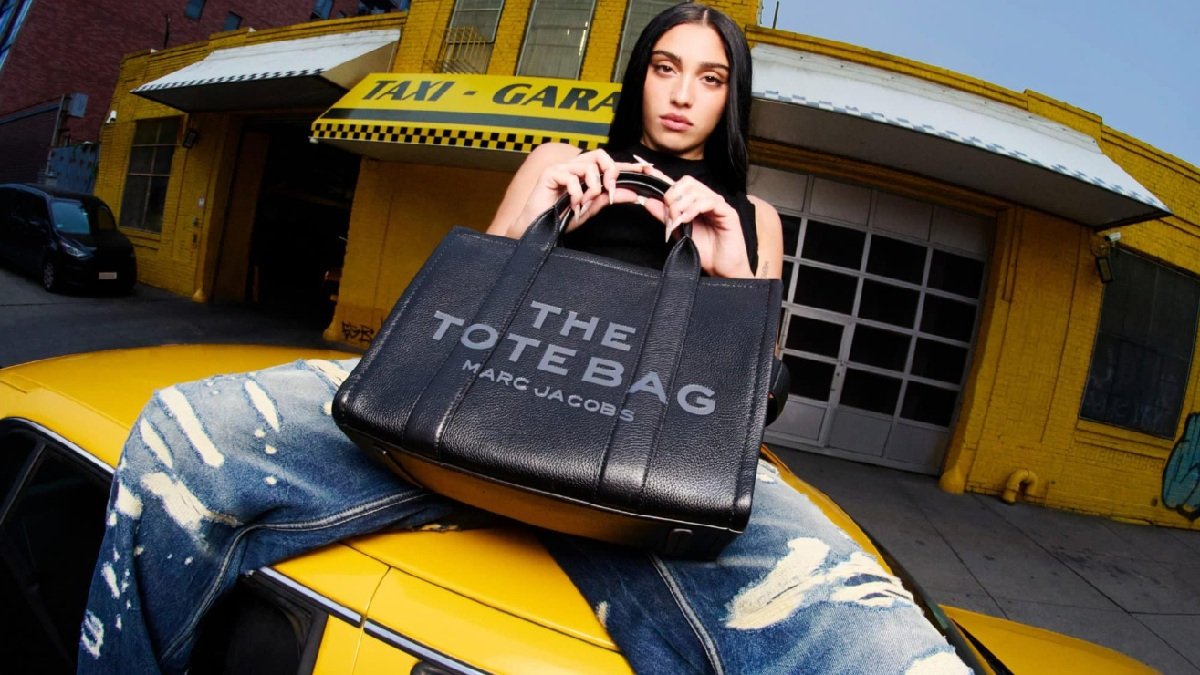


Marc Jacobs has once again become a brand that forces luxury to look in the mirror. In a sector that is going through a more cautious cycle marked by the slowdown, the future of the firm is back on the table. For years, its position within LVMH has remained in the middle ground. With unquestionable creative and symbolic weight, the brand’s commercial dimension has nonetheless been difficult to align with the scale of the world’s largest luxury polder. In 2025, the situation changed its tone when it emerged that the French group had worked with J.P. Morgan to explore buyers, in a deal that would be valued at around $1 billion. The process did not move forward, but it revealed a more complex reality than a simple sale attempt.
The interest came not from traditional conglomerates, but from U.S. operators specialized in acquiring brands and exploiting them through global licensing networks. Authentic Brands Group, WHP Global and Bluestar Alliance were on Bernard Arnault’s agenda. The most advanced negotiation, with Authentic, would have ended in a breakup in November, but the move was enough to revive a question that has been floating around for years. What role does Marc Jacobs play today within LVMH and what governance model fits its creative DNA? The answer is not simple because the case is not only business. It is cultural, historical and, above all, strategic.
As the sector prepares for the lean season, groups are reordering priorities. LVMH, with a portfolio dominated by giants such as Loewe and Christian Dior, needs clarity on which brands it will push with investment and which will occupy more tactical positions. But Marc Jacobs has never been just another brand within the group. The creative has been one of the key designers of its modernization, highlighting his career at the helm of Louis Vuitton and remains part of the institutional ecosystem, for example, as a jury member of the LVMH Prize. His history with the group and his position as a prestigious creator adds an additional layer to any discussion about his future.
In parallel, the market is watching as a new bloc of American buyers attempts to expand into areas that previously seemed alien to its model, a process that follows the sale of Versace by Capri, in the latest American attempt to build a “European-style” luxury empire. And it is precisely at this intersection, between signature creativity and models based on global licensing, that Marc Jacobs is once again becoming a puzzle of contemporary luxury.
A decade of readjustments: from the departure of Vuitton to a brand in silent reconstruction
To understand where the firm is today, you have to go back to 2013, when Marc Jacobs left the creative direction of Louis Vuitton. It was the end of an era that had given the brand global weight and a central role in the luxury narrative. After his departure, a decade of quiet readjustments began. The closure of Marc by Marc Jacobs in 2015 marked a turning point. The second line, mainstream in nature, suddenly disappeared the mid-price rung that sustained much of the visibility and commercial volume of the project.
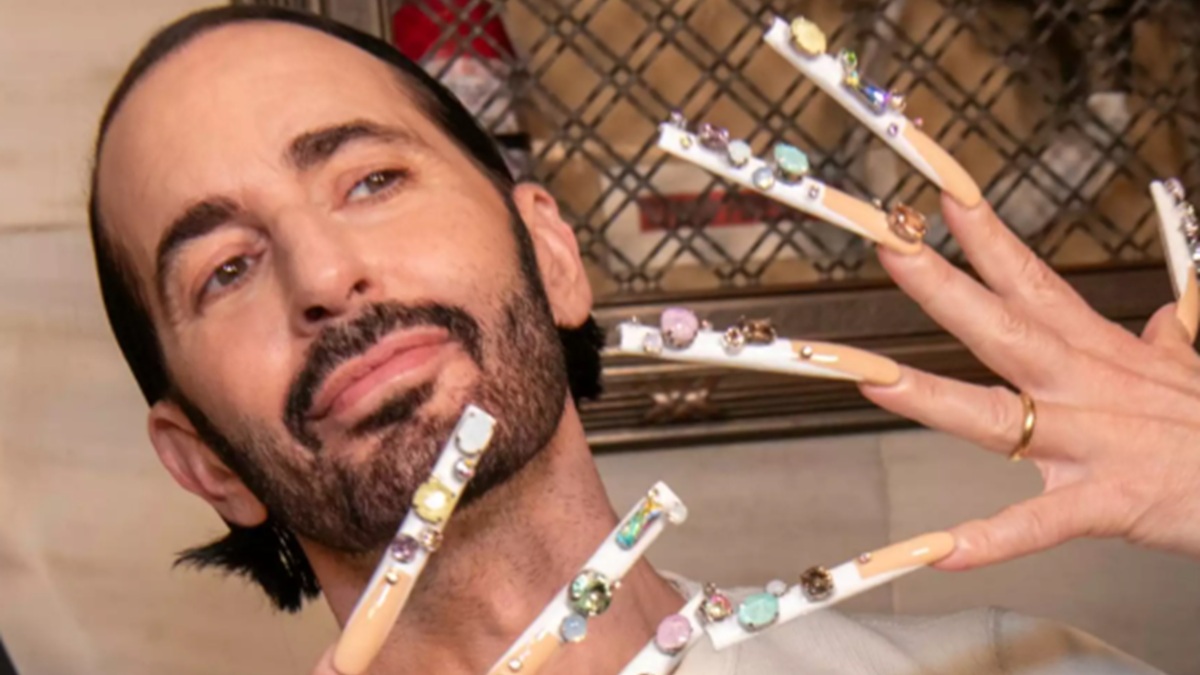
This was compounded by the gradual departure of Robert Duffy, the designer’s historical partner and one of the operational brains behind the firm’s growth. His departure left a clear void in the commercial structure, in retail and in the business logic that had sustained the brand. In the following years, Marc Jacobs reduced its network of stores, simplified lines and tried to organize a business that had grown under a different logic.
With Eric Marechalle as CEO, the company adopted a dual system. Runway collections became aesthetic laboratories, with short, conceptual proposals designed to generate image and cultural conversation. In parallel, a separate team developed the commercial product under The Marc Jacobs, less tied to the designer’s creative rhythm and more performance-oriented.
Heaven, launched in 2020, also opened an avenue toward younger audiences, with a dosmilera aesthetic supported by social media. Meanwhile, categories such as fragrances and optics continued to function as the stable pillars of the business, driven by agreements with international partners. This reconstruction allowed for balance, but did not resolve the fundamental question of what is the realistic scale of Marc Jacobs in a market that demands sustained returns.
The operation that reactivated the file
In this context, the exploration of a sale in 2025 reopened the debate. According to the U.S. press, LVMH worked with J.P. Morgan to test the market with a benchmark valuation of close to $1 billion. It was then that Authentic Brands Group positioned itself as the most interested player. Its model (based on acquiring brands, not structures, and scaling its intellectual property through global licensing) seemed compatible with part of Marc Jacobs’ commercial DNA.
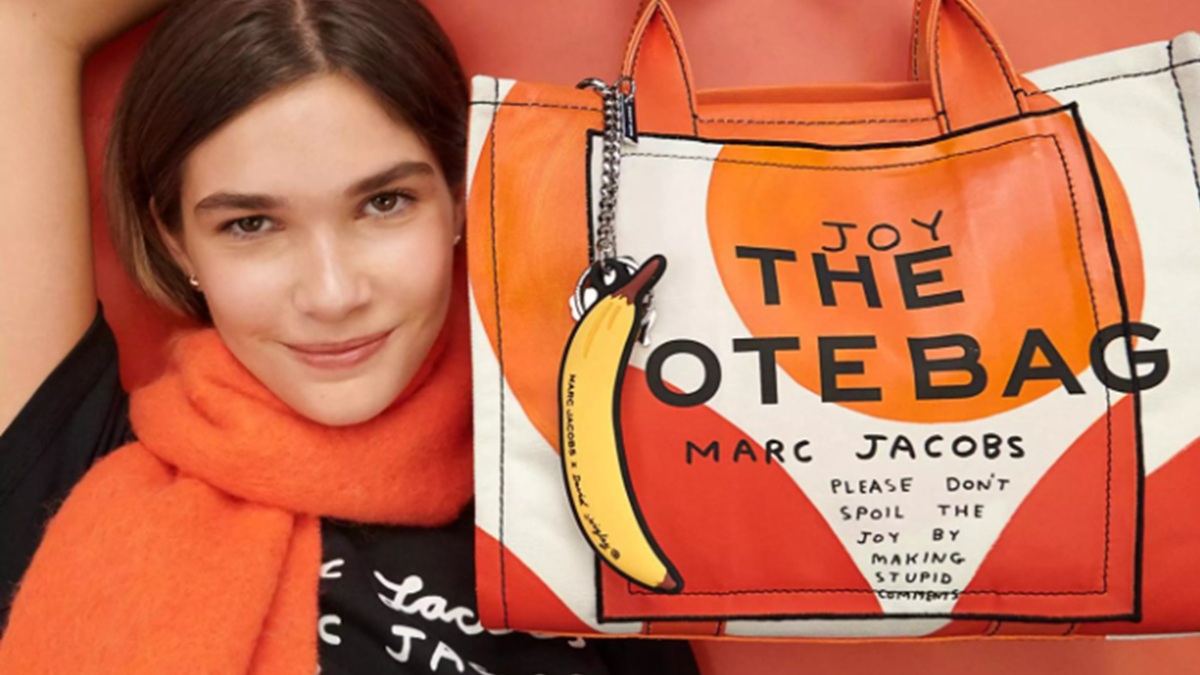
But friction soon arose. According to several industry sources, Marc Jacobs retains a stake in his own brand and his creative role is essential to him. He wanted to continue to walk the runway, maintain the runway collection in New York and keep his active presence in the industry’s cultural moments. For a group whose model depends on predictability and scalability, the autonomy of a living creator is a difficult element to integrate without compromising margins or operational control.
In addition to the creative issue, there was another decisive point. Brand managers need access to comprehensive data for their licensees to model the business. LVMH, WWD reported, would not have provided the level of information these partners demand. This was compounded by a firm valuation from the French group, which left little room for negotiation. The denouement came in November. The talks broke down and the dossier was put on “pause”. This parenthesis should not be a definitive closure, but it does show that the Marc Jacobs case requires a different equation than usual.
The timing of this debate is not coincidental. The major groups are going through a cycle of reorganization. Kering is the most visible example, with the arrival of Luca de Meo, medium-sized brands such as Alexander McQueen have been placed under an in-depth strategic analysis because the current market demands scalability, profitability and a clear vision of where each asset can grow. In a more austere environment, the scrutiny on mid-market and smaller brands is intensifying.
LVMH, the realignment of the sector and the parallel with the Kering case
LVMH does not operate with the same urgency as Kering, but with the same underlying logic of prioritizing brands that generate consistent returns and reducing ambiguities in the portfolio. In this context, Marc Jacobs occupies a unique position. It is a medium-sized firm within a giant dominated by two major brands, but it is also the personal project of a designer who is part of the group’s recent DNA.
At the same time, Marc Jacobs’ business depends on commercial lines and licenses that operate at a different pace and require stability, volume and foresight. The distance, between the runway as a cultural gesture and the commercial collection as an industrial necessity, is one of the most defining characteristics of the brand. And also one of the most difficult to translate into a model based on global licensing, where consistency and repeatability are essential. Marc Jacobs is not a fashion house, it is a brand that exists because its creator exists.
The breakdown of negotiations with Authentic Brands Group is, in fact, the clearest manifestation of the clash between two logics. On the one hand, a model based on the creativity of the author, where a living designer sets the pulse and identity. On the other, a model based on global brand management, where growth is articulated through licensing, international partners and lean structures.
Missoni is another name that could join the U.S. group’s catalog. The Italian brand, by contrast, fits this model without friction, with a family structure that values the legacy but is willing to sell its entire stake. Its identity is associated with the archive, not with a living creator with day-to-day control of the project. And its recent financial cleanup makes it an attractive asset to be scaled through licensing deals in new categories. Marc Jacobs occupies just the opposite place, with an auteur brand with high symbolic content and a creator who doesn’t want to give up.
Related content

Kering’s Pragmatic Pivot: Is De Meo Setting the Stage for a Brand Sale?
3 nov 2025 - 05:00

Beauty’s New Power Map: L’Oréal and LVMH in Battle
27 oct 2025 - 05:00
LVMH Eases Decline, Sales Reach €58.09 Billion Through September
14 oct 2025 - 16:24

Inside ‘Marc by Sofia’: A Glimpse into the Creative World of Marc Jacobs
5 ago 2025 - 05:00
Latest news
Swatch Sees 89% Profit Decline in 2025 Amid Tariff Woes and Sluggish Demand
30 ene 2026 - 04:26


Inditex’s Eduard Casabella on Oysho’s Sport Pivot and Growth Through Identity
29 ene 2026 - 18:40
McKinsey’s Gemma D’Auria on Luxury’s Pullback and Fashion’s Resilience in 2026
29 ene 2026 - 18:35