Brunello Cucinelli Shares Plummet Amid Allegations of Continued Russia Operations
Shares of the Italian luxury powerhouse plummeted 17% yesterday following a Morpheus Research report that casts doubt on its operations in Russia and market valuation. Cucinelli has dismissed the allegations.
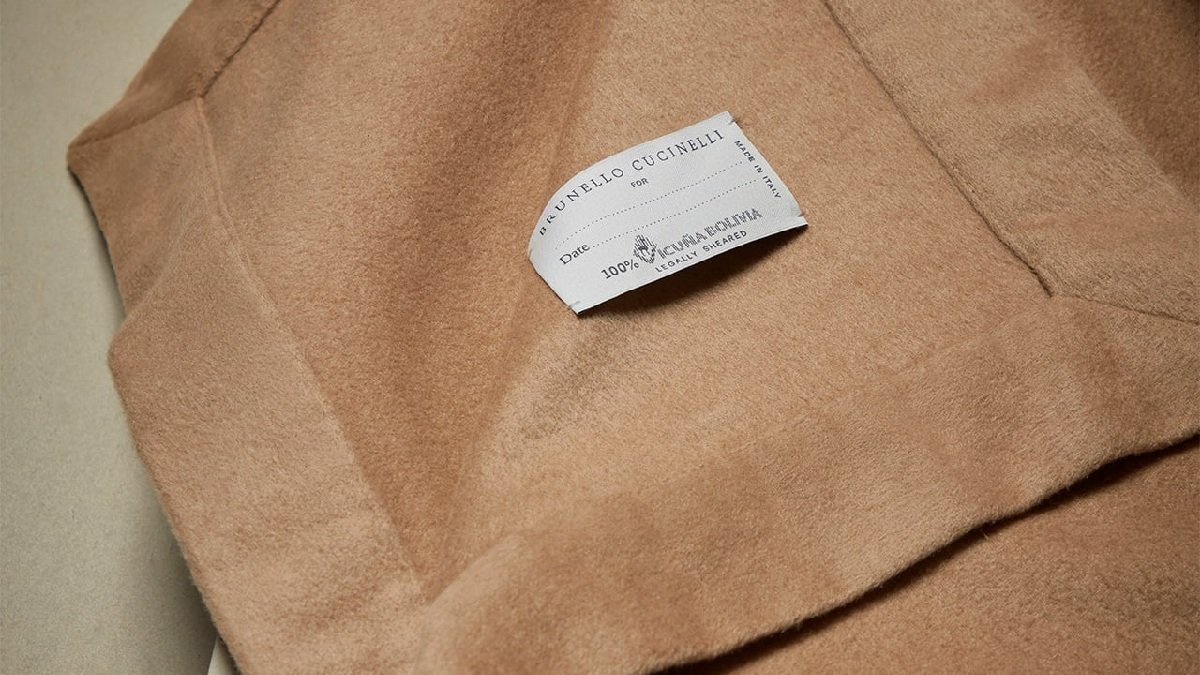


Brunello Cucinelli, in the spotlight. Shares of the Italian luxury group plunged yesterday on the Milan Stock Exchange after the analysis firm Morpheus Research accused the company of continuing to operate in Russia despite European sanctions and resorting to aggressive discounting to sell its stock. The stock fell as much as 5% before being suspended due to volatility and closed down 17.3%.
Morpheus, made up of former members of Hindenburg Research, claimed in a report that Cucinelli misled investors and kept stores open in Moscow, although the company had declared its closure. The investigation, which included secret visits to establishments, found the sale of items with Made in Italy labels from 2024 and 2025, according to the document.
The analysis firm also noted that Cucinelli practices aggressive markdowns in the Russian market and that some of its excess inventory ends up in chains such as TJ Maxx, which, in its view, erodes the brand’s exclusive positioning. The report also questions its high stock market valuation, arguing that the group trades at around 46 times estimated earnings for 2025, a much higher multiple than other competitors in the sector such as Khaite or The Row, which are growing in triple digits.
Morpheus’ attack comes shortly after another fund, Pertento Partners, had told the Financial Times that Cucinelli was continuing to operate in Russia in defiance of European Union sanctions. On that occasion, the Italian company responded that its stores in the country were closed and that its business there had been reduced to a minimum, always in compliance with EU regulations.
Brunello Cucinelli has been accused of maintaining its business in Russia despite the sanctions
In its new report, Morpheus argues that the company uses Russia as an outlet market for inventory and accuses management of failing to be transparent with its shareholders. “Even ignoring our findings, Cucinelli trades at an excessive premium to any luxury competitor, against a backdrop of slowing revenues and average margins,“ the group said in its statement.
The pressure was immediately reflected on the Milanese trading floor. Since its IPO in 2012, Cucinelli had increased its stock market value thirteenfold, establishing itself as one of the most dynamic stocks in European luxury. Yesterday’s blow represented the biggest single-session setback in its recent history.
Hours later, the Solomeo-based company released a statement denying the allegations and defending that its operations are fully compliant with European regulations. According to the company, its showroom staff in Russia is limited to customer service and multi-brand department store spaces remain open only with products that can be legally exported, in addition to inventory shipped prior to the sanctions.
Cucinelli likewise denied that he uses Russia to liquidate stock. “The figures provide a clear and accurate perspective and rule out any speculation regarding the use of the Russian market to reduce inventory,“ the company said. The firm added that Italy’s Customs Agency has inspected its procedures and confirmed compliance with the restrictions.
The group also stressed that Russia has ceased to be relevant in its business. In 2024, exports to its Russian subsidiary totaled €5 million, down from €16 million in 2021, and the country’s weight on its total turnover fell to just 2%. Brunello Cucinelli closed 2024 with sales close to €1.3 billion.
The company, known for its cashmere proposal and its humanist philosophy, assured that it is considering legal action against Morpheus “to protect its reputation and the interests of its shareholders.“
Related content

Brunello Cucinelli Defies Luxury Market Slump with 10% Growth Through June
29 ago 2025 - 07:02

Brunello Cucinelli Surpasses Projections, Approaches €1.408B in 2025 Sales
13 ene 2026 - 06:20

Brunello Cucinelli Eyes Record-Breaking 2025 with Forecasted 12% Growth
11 dic 2025 - 07:39
Latest news

Swatch Sees 89% Profit Decline in 2025 Amid Tariff Woes and Sluggish Demand
30 ene 2026 - 04:26


Inditex’s Eduard Casabella on Oysho’s Sport Pivot and Growth Through Identity
29 ene 2026 - 18:40

McKinsey’s Gemma D’Auria on Luxury’s Pullback and Fashion’s Resilience in 2026
29 ene 2026 - 18:35