Grupo Uribe: The Quiet Colombian Force Behind Europe’s Fashion Resilience
As brands like Naf Naf and Esprit close their doors across Europe, their presence in Colombia thrives under the century-long strategy crafted by Grupo Uribe, which also holds the reins of Mango, Chevignon, and Americanino in the region.
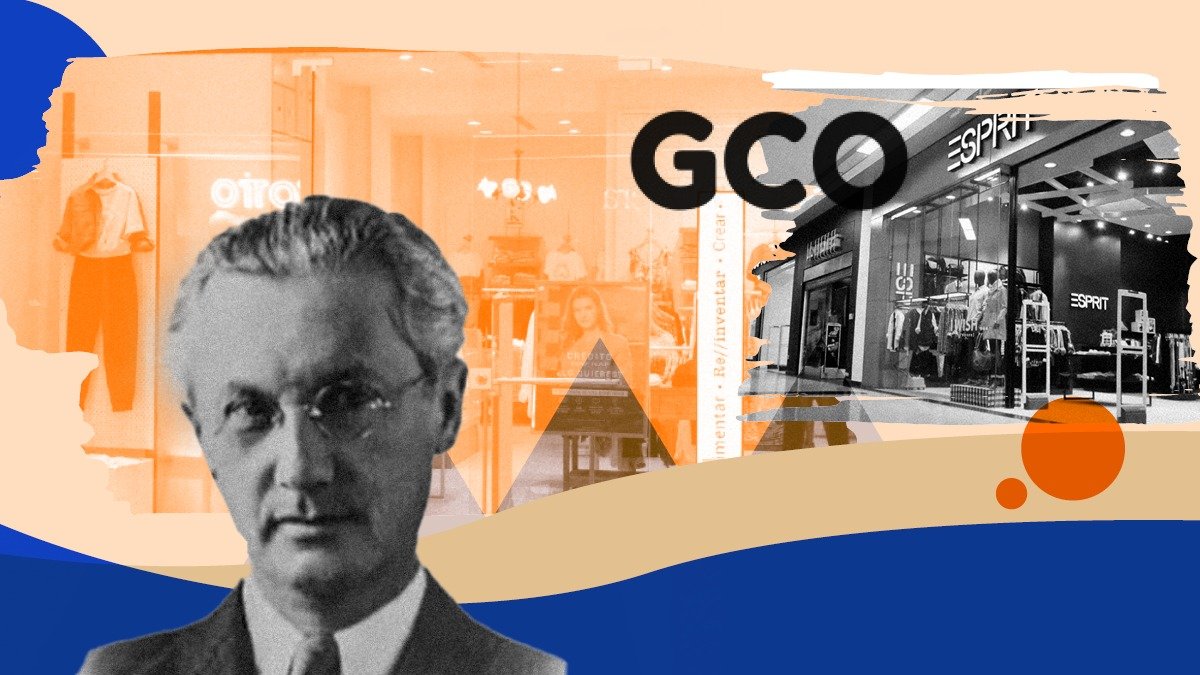


In a global context marked by retail contraction, store closures or even the liquidation of historic brands, Grupo Uribe represents a rare exception: brands that retreated in Europe have found their best performance in Colombia. The operator, with more than 100 years of history and a strategy based on direct control and local adaptation, has transformed international adversity into domestic strength.
Grupo Uribe (GCO) has managed to keep alive the legacy of firms such as the German Esprit, which is in the process of liquidation, or the French Naf Naf, which went into bankruptcy. GCO’s model combines local manufacturing, market knowledge and a low-profile strategy that has proven to be its greatest competitive advantage.
Thanks to these advantages, these firms, weakened in their home countries, are finding a new growth cycle in Colombia. GCO’s history dates back to the early 1900s when John Uribe Escobar began selling fabrics in a small warehouse in Medellín.
From 1907 to the present, the company has grown to become a major player in the Colombian fashion industry. In 1938, the family incorporated John Uribe e Hijos, coinciding with the diversification of its business by focusing on importing fabrics from Europe and the United States.
Grupo Uribe has the license in Colombia for brands such as Mango, Chevignon and Americanino
This profile as an importer without intermediaries consolidated the basis on which GCO is today responsible for the fact that brands that are dying in Europe have a large market in Latin America.
Currently, GCO is led by Carlos Gilberto, Andrés Uribe and Felipe Uribe, members of the founding family. The group operates brands such as Chevignon, Americanino, Mango, Naf Naf, Esprit, BrandStore, Rifle, Vivant, G-Star Raw, American Eagle, American Brands, Carrera and the Outlet chain, all 50% owned.
The Colombian group’s commercial network extends to more than six hundred stores not only in Colombia, but also in other Latin American countries such as Peru, Costa Rica and Ecuador.
GCO controls the production of several of the brands in its portfolio. The group is a local licensee with an independent structure, which allows it, in the case of brands such as Esprit, not to be affected by the decisions made by the parent company in Europe or the United States.
The company produces most of the garments that its brands sell in Colombia
Specifically, Grupo Uribe negotiates rights and licenses, which gives it some control over the brands it manages, leaving it immune to global decisions. The company has developed international brands in the Colombian market with great strength, managing to remain standing despite the financial difficulties of mature markets, where tariffs, production or logistics costs are different.
Americanino and Chevignon have established themselves as the spearheads of the group. Both specialize in denim, although focused on different consumers. In the case of Chevignon, the French firm has this year materialized its landing in the United States, where it plans to reach ten establishments, as Modaes reported.
Chevignon is managed by Juan Urquijo, who has worked in the company for more than fifteen years, having held positions as commercial manager or director of stores for Colombia until his appointment as general manager of the brand in September 2022.
Mango has been operating in Colombia with GCO since 2004
Esprit, on the other hand, is not part of the European group’s direct operation, but operates under a license model from Grupo Uribe. Manuela Baena Aramburo is the general manager of Esprit in Colombia, where the firm employs more than two hundred workers.
Naf Naf is another great emblem of how GCO managed to capitalize an international brand in Colombia. The French firm has more than one hundred stores in the country and around 600 employees. The company landed in the coffee-growing country under a licensing model, giving Grupo Uribe a series of freedoms that businesses do not have when they are franchised. The Naf Naf business in Latin America is headed by Waldir Jaramillo.
The Spanish Mango, on the other hand, has had different ups and downs in the Colombian market. The company has been operating in Colombia hand in hand with Grupo Uribe since its landing in the coffee-growing country in 2004. However, in 2015, both groups interrupted this alliance, although a year later they recovered it to maintain it until today. Mango has also relied on the Colombian group to franchise its online business in the country.
Related content

Colombian Brand Chevignon Expands into the U.S. with First of Ten Stores
10 jul 2025 - 05:00
Gordon Brothers Takes Over LK Bennett, Sets Stage for Global Expansion
28 ene 2026 - 12:33

Galeries Lafayette Finalizes Sale of BHV Building Amid Shein Controversy
28 ene 2026 - 12:30
Latest news
Gordon Brothers Takes Over LK Bennett, Sets Stage for Global Expansion
28 ene 2026 - 12:33
Galeries Lafayette Finalizes Sale of BHV Building Amid Shein Controversy
28 ene 2026 - 12:30
VF Corp’s Q3 Results Shine with 28% Boost as Business Reorganization Unfolds
28 ene 2026 - 08:23
Claire’s Faces Another Setback in the UK with Second Bankruptcy in Six Months
28 ene 2026 - 08:21