

Kering and Pandora Make the Cut: Only Fashion Players in World’s Top 100 Sustainable Groups
In the 2025 edition of Corporate Knights’ ‘Global 100’, Kering and Pandora stand as the sole fashion representatives, highlighting the industry’s struggle to make a significant impact on the sustainability front.
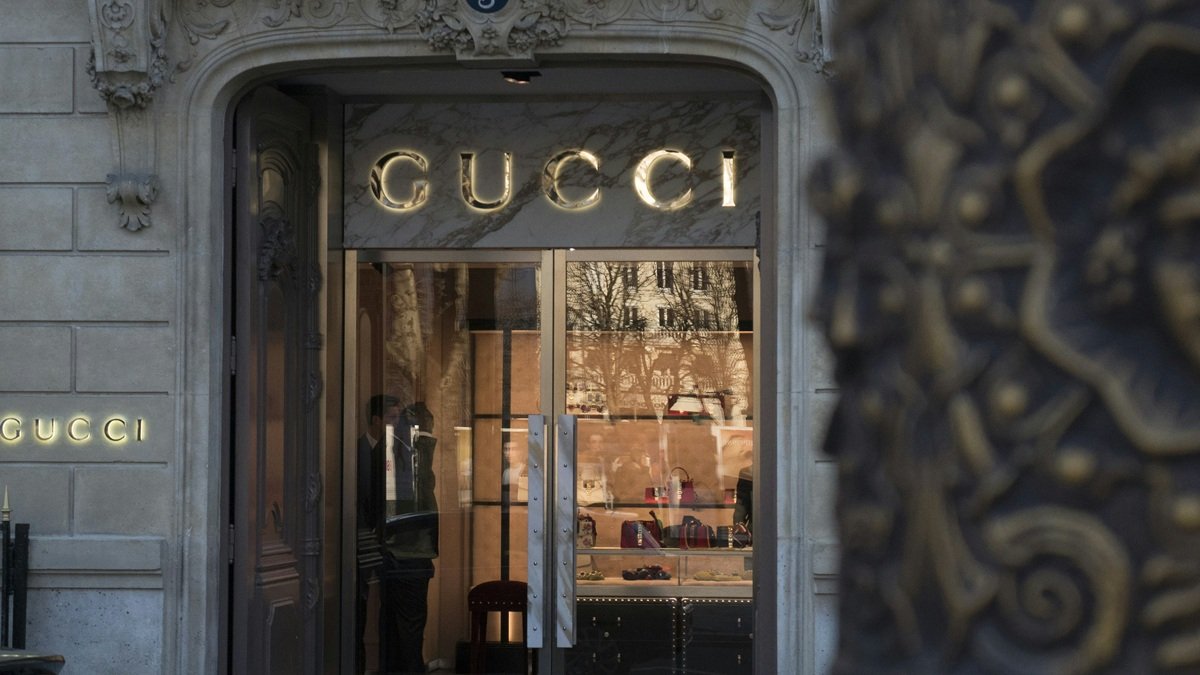


Little fashion among the top 100 most sustainable and in the middle of the table. Kering and Pandora are the only companies linked to the fashion, textile and footwear sector to appear in the Global 100 ranking of the world’s most sustainable companies in 2025, prepared by Corporate Knights. The list, which analyzes more than 8,300 listed companies with revenues in excess of one billion dollars, once again highlights the sector’s under-representation.
The French group Kering is in 43rd position in the ranking, consolidating its presence among the companies best valued for their environmental, social and governance (ESG) indicators. The company, which owns brands such as Gucci, Saint Laurent, Balenciaga and Bottega Veneta, is also ranked first in the textiles, fashion and luxury goods category.
Pandora, for its part, is ranked 48th and is positioned as the second company in the sector with the highest score in sustainability. The Danish jeweler has strengthened its ESG profile in recent years thanks to the use of recycled metals, the reduction of emissions and the increase in the weight of revenues considered sustainable within its business.
The evolution of the data reflects a progressive contraction of the presence of fashion in the Global 100, a significant change in the profile of the companies included and a relative improvement in positions for the groups that remain.
Fashion has lost presence and dropped in positions among the 100 most sustainable companies over the last five years
In a historical perspective, the fashion sector has shown ups and downs in the Global 100. In 2021, only three companies related to the fashion sector were ranked among the hundred most sustainable: Kering in seventh position, Adidas in 76th place and Inditex, eighth from the bottom. In 2022, Inditex ranked 73rd, up 19 places from the previous year, while Kering fell to 12th position, consolidating its position as the world’s most sustainable fashion company at that time. Other groups such as Puma, Gildan Activewear, Adidas and Natura were also on the list, albeit with lower and fluctuating positions. By 2023, the ranking included five companies in the sector: Kering, Puma, Adidas, Gildan Activewear and Swatch Group, while in 2024, only Puma made it onto the list, in 54th place.
The case of Kering
Kering consolidates its position as the most sustainable fashion company of the past five years thanks to a strategy that integrates sustainability into the core of its business model. The French company has excelled in key indicators evaluated by Corporate Knights, such as carbon emissions reduction, responsible management of raw materials and diversity in management positions.
More than 50% of Kering’s revenues come from sustainable products
According to the Corporate Knights analysis, Kering ranks 43rd, the top company in its sector, with more than 50% of its revenues coming from sustainable products, reflecting a tangible commitment to the transition to a more responsible luxury model. As the analysts note, “Kering has succeeded in making sustainability a growth driver and a strategic differentiator vis-à-vis its competitors.“
The group has also been recognized for its ongoing investment in innovation and traceability, including the use of recycled or responsibly sourced leather and materials, as well as the adoption of circular economy practices in its supply chains. In addition, its comprehensive approach extends to executive compensation and transparency in ESG reporting, factors that “reinforce its credibility and leadership in the Global 100 ranking,“ according to Corporate Knights.
These initiatives enable Kering not only to meet sustainability standards, but to position itself as a benchmark for how fashion can integrate environmental and social criteria into corporate strategy in a cost-effective and measurable way.
According to the Corporate Knights statement, Global 100 companies “invested on average 58% of their capital in projects linked to sustainable transition,“ compared to 15% for all major global companies. In addition, “sustainable revenues are growing twice as fast as other revenues”, a trend that especially benefits the industrial and energy sectors, which are the majority in the ranking.
The Global 100 is an annual ranking prepared by Corporate Knights since 2005. The ranking evaluates all listed companies worldwide with a turnover of more than $1 billion on the basis of 25 key indicators, covering resource management, revenue and sustainable investments, diversity, governance, supply chain and financial performance. Companies involved in activities considered controversial or blocking climate policies are excluded from the index.
Related content

Kering Expands Gucci Presence in Mexico with New Monterrey Store
18 dic 2025 - 05:00

Pearls and Fantasy: Pandora’s Bridgerton Capsule Hits Stores
9 ene 2026 - 13:42


Latest news


Next Continues Shopping Spree with Russell & Bromley Shoe Chain Acquisition
22 ene 2026 - 07:34


