

Maersk Returns to Red Sea and Suez Canal Routes Following Security Concerns
Danish shipping giant makes a strategic return to the Red Sea as regional security stabilizes, promising a ripple effect on global supply chains and a drop in maritime transport costs.

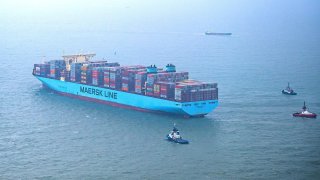

Maersk is also confident in the safety of the Suez Canal. The Danish shipping company has announced the gradual resumption of its MECL (Middle East-India-US East Coast) service through the Trans-Suez route, following the “continued stabilization of conditions in and around the Red Sea,“ the company said in a statement.
The return to this strategic route comes almost two years after the shipping company suspended its transits through the Red Sea and the Gulf of Aden, a decision taken at the beginning of the year. The decision was taken at the beginning of 2024 following the attack on one of its ships and the increased risks for the merchant fleet due to the activity of the Houthi rebels.
The confirmation of the structural return of the service comes a month after one of the group’s ships successfully completed the Red Sea and Gulf of Aden crossing, the first since the start of the crisis. “We have seen an improvement in stability and reliability in the region,“ Maersk said.
According to data provided by the company, the first voyage associated with this westbound change is being made by the Cornelia Maersk vessel, which sailed today from Jebel Ali 2026, while the Maersk Detroit was the first to cover the eastbound Trans-Suez route, departing from North Charleston on January 10th.
After confirming its return to the Suez Canal, Maersk shares fell as much as 8.4% in trading on January 15th.
The announcement was reflected in the markets, where Maersk shares fell as much as 8.4% in the January 15th session, in a context of caution on the part of investors in view of the evolution of maritime trade and geopolitical risks in the Middle East, according to Europa Press.
Despite the return to Suez, the company has stressed that it will continue to monitor the security situation in the region.“ Trans-Suez is the preferred route,“ said Maersk, although it maintains contingency plans that could involve rerouting traffic through the Cape of Good Hope in the event of a new escalation of the conflict.
Maersk will continue to monitor the safety of the Red Sea and has a contingency plan in case routes have to be rerouted for Good Hope
In the case of Maersk, the return to the Suez route culminates a process initiated in November 2025, when the company already advanced its intention to return to operate in the Red Sea “as soon as conditions permit”. At the time, its CEO, Vincent Clerc, stressed that the decision would be subject to the safety of the crews, after almost two years of detours around the Cape of Good Hope, which caused freight rates to soar by 160%. The Suez Canal Authority went so far as to actively urge the major shipping lines to return, offering to “explore new areas of industrial and logistical cooperation” with the Danish group, in parallel with the gradual recovery of traffic and revenues of the canal after the cease-fire.
Maersk’s move is part of a changing trend in international shipping. By the end of 2025, France’s CMA CGM had already announced the reactivation of several of its routes through the Suez Canal, as of January 1st, 2026, following the ceasefire between Israel and Hamas, backed by the Canal Authority, which described the passage as “safe.“ According to Alphaliner, CMA CGM was the only major shipping line that maintained regular transits during the crisis and moved nearly 1.5 million containers through Suez in 2025, anticipating the progressive return of major operators to this strategic waterway.
Related content
Maersk Sets Sail for Red Sea Return “Once Conditions Align”
27 nov 2025 - 08:26
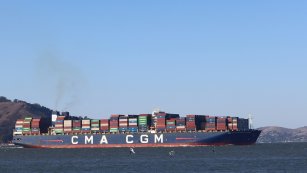
Shipping Giant CMA CGM Gears Up for Suez Canal Route Revival
5 dic 2025 - 07:49

L’Oréal invests 383 million in AI technology center in India
21 ene 2026 - 16:01

CWF Fortifies Position in Kids’ Fashion Market with Catimini Purchase
21 ene 2026 - 13:38
Latest news
L’Oréal invests 383 million in AI technology center in India
21 ene 2026 - 16:01
CWF Fortifies Position in Kids’ Fashion Market with Catimini Purchase
21 ene 2026 - 13:38

Fimi Kicks Off 100th Edition Featuring More Than 700 Exhibitors
21 ene 2026 - 12:43

Who’s Next Retains European Allure Amidst French Market Shake-Up
21 ene 2026 - 12:00


