International Fashion Eyes Argentina Again as Milei’s “Macro” Landscape Sets the Stage
In recent months, the fashion scene has witnessed a swift influx of brands from nearby markets such as Uruguay, Chile, and Colombia. Simultaneously, Argentina is welcoming international labels like Golden Goose and Sandro.
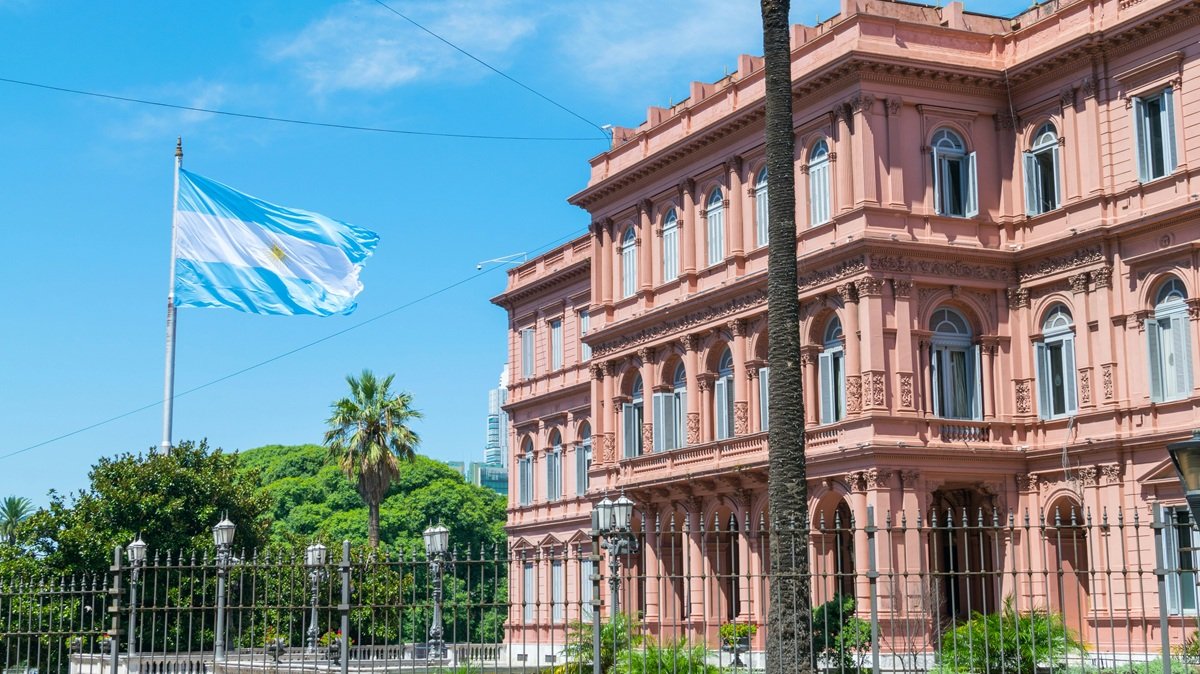

International fashion finds a new safe haven market: Argentina. With flexible import policies and controlled inflation, brands from all over the world are once again betting on the South American country. The country now seems to be the ideal territory for international fashion companies. Beyond the recent or upcoming landing of firms such as Decathlon, Dr Martens, Anine Bing, Sandro or Golden Goose, Latin American fashion has also spread in the country.
Last October 26th, the legislative elections gave a majority in the Senate to Javier Milei’s government for the next two years and everything indicates that the import and economic policies will follow the same line taken by the libertarian president when he arrived at the Casa Rosada.
In this Argentine economic cycle, marked by a slowdown in inflation and greater access to the foreign exchange market, the consumption and expansion map has been reconfigured. In September, retail prices increased by 5.8%, compared to 25.5% recorded in December last year, according to Indec data.
The economic cycle, marked by lower inflation and greater access to the foreign exchange market, attracts fashion
Although mass consumption continues to be weak and household disposable income remains under pressure, the upper middle class and shopping tourism have sustained demand for fashion and footwear, according to the Argentine Central Bank.
The latest Latin American company to invest in Argentina was Chile’s Tricot, which began operating in the country through the online channel. The company, which specializes in fashion distribution, is characterized by its competitive prices, and is trying to compete with the success of the ultra fast fashion platforms Shein and Temu in Argentina.
In addition to Tricot, its compatriot Falabella has also set its sights on the Argentine market. Following its withdrawal of its department store chain in 2021, Falabella has made its online shopping more flexible for Argentine users, since, until recently, the Chilean group only allowed purchases with a Chilean ID card and telephone number.
One South American company that has made a strong commitment to Argentina this year has been Indian. The Uruguayan fashion retail chain of the Parisien Group began its international expansion in the neighboring country, where it plans to open a dozen stores.
Indian landed this year with its first stores in downtown Buenos Aires and has expanded with openings in Córdoba and Mendoza. In addition, the firm plans to reach cities such as Mar del Plata, Bahía Blanca and Rosario, where it has already tied up a 640-square-meter store on Córdoba Street.
Colombian Lili Pink opened its first store in Argentina in June
In the middle of the year, Colombian Lili Pink landed in Argentina. The firm specialized in intimate fashion raised the shutter of its first store in the country, located in the Tortugas Open Mall in Buenos Aires. Founded by brothers David and Max Abadi, Lili Pink began operations in 2007 with its first store in Bogota and currently operates a network of almost 400 points of sale in Colombia, Guatemala, Mexico and Costa Rica.
The landing of Latin American brands in Argentina also responds to a regional trend: the search for markets with recovery potential and a competitive currency. In the first five months of the year, Argentine fashion imports soared 77% in value and 186% in volume compared to the same period of the previous year, according to the Argentine Apparel Industrial Chamber (CIAI), which shows the strong opening of foreign products.
On the other hand, according to ECLAC, South America will grow by 1.7% this year, driven by intra-regional trade and the reactivation of the services sector. In the case of Argentina, the stabilization of prices and the elimination of import barriers have facilitated the expansion of companies from neighboring countries such as Chile, Uruguay or Colombia, which find in Buenos Aires a commercial platform for the Southern Cone.
Brazilian fashion has also made its mark in Argentina, prior to this wave of South American brands that have bet on the country this year. The giant Renner chose the country to open its first stores outside Brazil.
Another giant, Hering, owned by Grupo Soma, resumed operations in Argentina last year when it announced its return to the country after a twenty-year absence.
In addition to Latin American brands, Argentina is also welcoming other international fashion companies, many of them in the premium segment, such as Sandro, which recently opened its first store in the Paseo Alcorta shopping mall, or Anine Bing, which will open next year with a local partner.
Spain’s Bimba y Lola landed in Argentina in 2022 with its first point of sale in Buenos Aires. Two years later, it launched its ecommerce in the country and recently opened two new stores in the city of Córdoba and the Nordelta district.
Decathlon will be operating in the country again this month, marking the return of the fashion and sports equipment giant. Victoria’s Secret is also finalizing the opening of its first flagship store in Buenos Aires, while Spain’s Adolfo Domínguez recently opened its first store in the country.
Related content

Victoria’s Secret Joins the Argentina Craze with First Flagship Store
3 nov 2025 - 05:00

Gordon Brothers Takes Over LK Bennett, Sets Stage for Global Expansion
28 ene 2026 - 12:33

Galeries Lafayette Finalizes Sale of BHV Building Amid Shein Controversy
28 ene 2026 - 12:30

VF Corp’s Q3 Results Shine with 28% Boost as Business Reorganization Unfolds
28 ene 2026 - 08:23
Latest news
Gordon Brothers Takes Over LK Bennett, Sets Stage for Global Expansion
28 ene 2026 - 12:33
Galeries Lafayette Finalizes Sale of BHV Building Amid Shein Controversy
28 ene 2026 - 12:30
VF Corp’s Q3 Results Shine with 28% Boost as Business Reorganization Unfolds
28 ene 2026 - 08:23

Claire’s Faces Another Setback in the UK with Second Bankruptcy in Six Months
28 ene 2026 - 08:21