Première Vision Wraps Up with 1,000 Exhibitors, United Against Ultra-Fast Fashion
Gathering more than a thousand enterprises from 40 nations, the textile show set the scene for Europe’s inaugural statement against Shein and Temu, marked by an emphasis on beauty and a new look at sustainability.
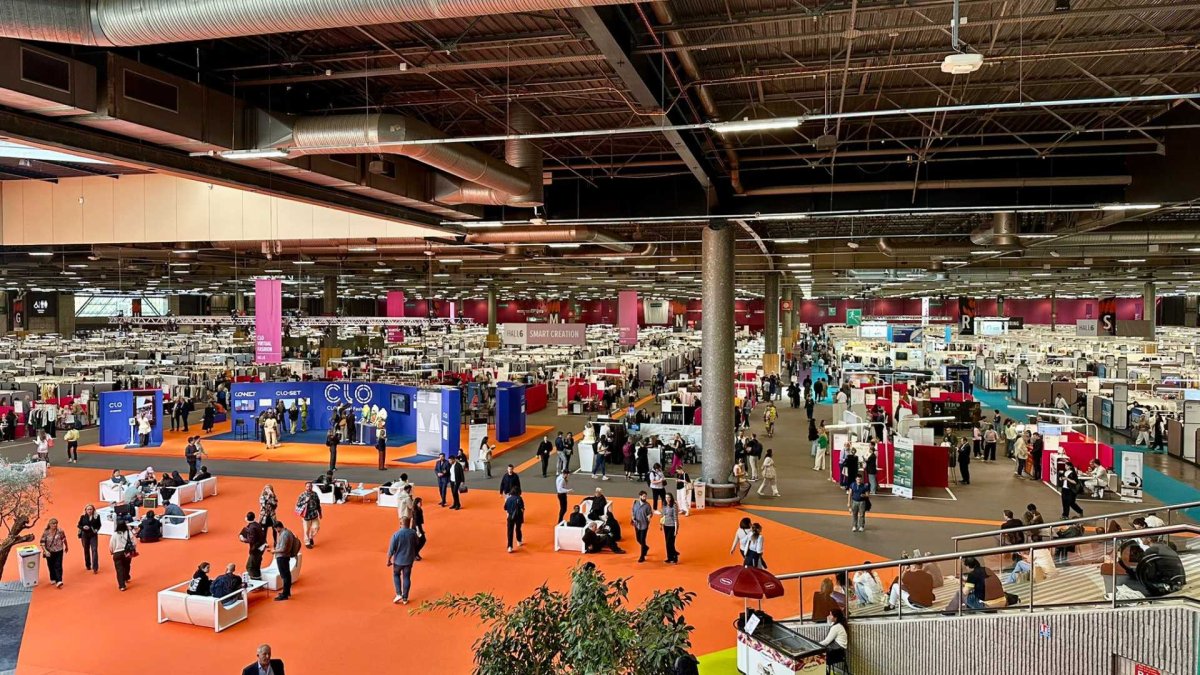

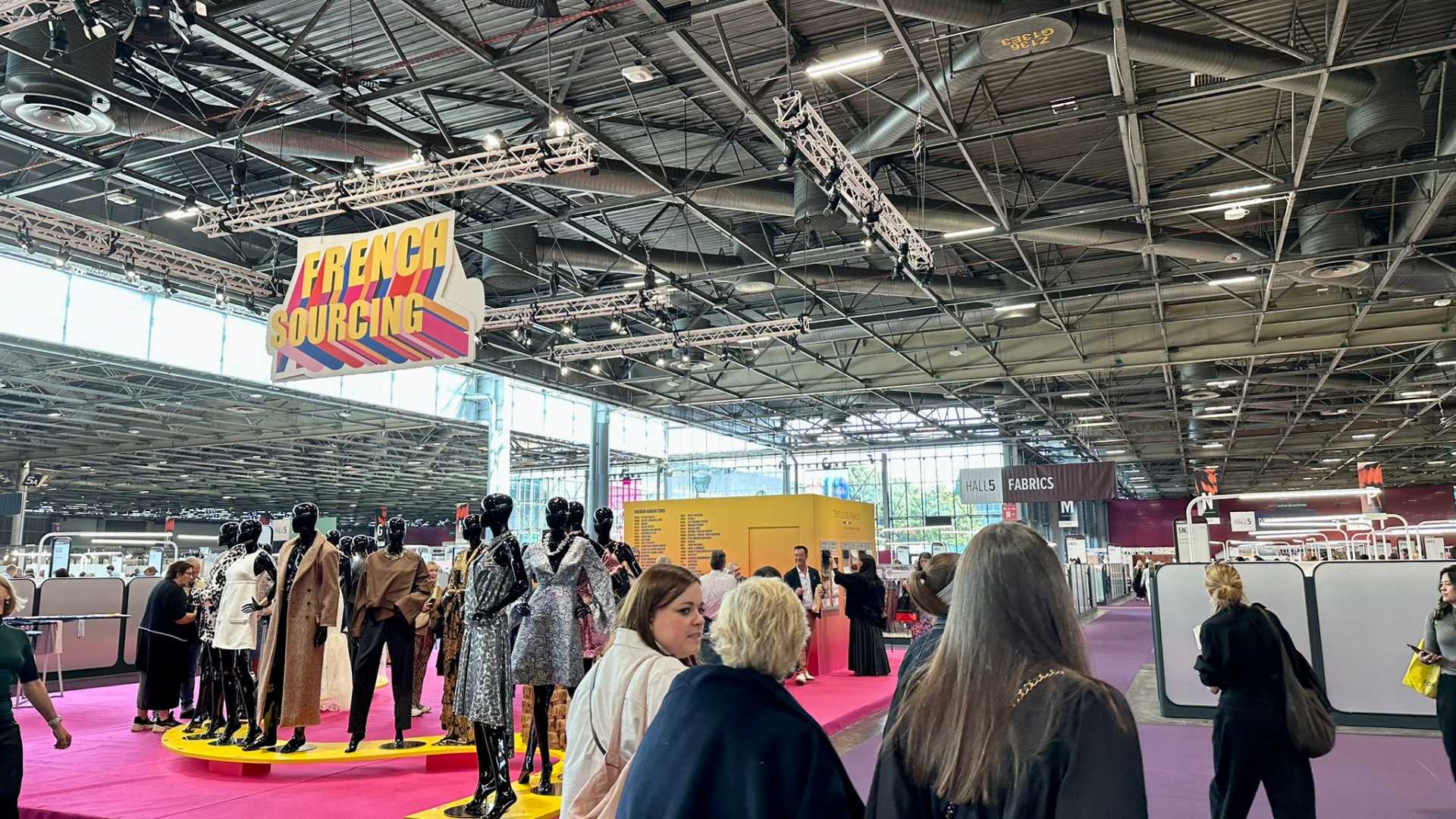
Paris was once again in turmoil on two different levels. On the streets, French politics have been shaken in recent days with the replacement of its prime minister, and two strikes in response to economic measures have sought to paralyze activity across the board. At the same time, the Villepinte halls in the north of the city hosted a new edition of the Première Vision textile trade fair, one of the main meeting points for the industry in Europe, from September 16 to 18. Against a backdrop of local and international uncertainty, the show withstood the complex external storm, bringing together more than a thousand exhibitors from forty countries and a story that looked squarely at innovation, sustainability and, for the first time, beauty. The fight led by the French industry against ultra fast fashion was also a protagonist in the halls of the event.
The return of Première Vision in September was marked by the participation of a strong group of first-time exhibitors, 12% of the 1,000 exhibitors at the show. Positioned as a global meeting point for the fashion value chain, the show displayed a complete offer of fibers, yarns, fabrics, knitwear, leather, designs, accessories and clothing, organized in seven creative universes. “Good overall sensations, not so much in volume but in quality”, summarized the organizers of the event, aware of the impact of the general strike on its closing day.
Première Vision’s official speech emphasized a more “inspirational” role in a sector in full segmentation and transformation. Thus, the fair was presented not only as a showcase for raw materials and suppliers, but also as a space for thinking about the industry and experimenting with new forms of collaboration for its exhibitors from forty countries such as Portugal, Egypt, Turkey, France, Japan and South Korea, among others.
As usual, the event was part of a particularly busy Parisian calendar. Just a week earlier, from September 6th to 8th, the Who’s Next, Interfilière and Bijorhca trade fairs for women’s fashion, intimates and jewelry were held at Porte de Versailles. And parallel to Première Vision, also at Porte de Versailles, NRF Retail’s Big Show Europe was held from September 16th to 18th.
Première Vision counted 12% of new exhibitors among its 1,000 participants at this edition
In line with the transformation that the sector is currently undergoing, the latest edition of the show included, as a major novelty, the addition of a space dedicated to beauty. Under the name Beauty Pathways, the fair proposed a cosmetic reading of the material trends for the fall-winter 2026-27 season. “It is one of our change initiatives to try to inspire and provide answers both for beauty companies that also develop textile products and for fashion companies that come into contact with this sector,“ the organizers argued.
With a visual and exhibition character, the itinerary included the participation of Make Up For Ever Academy, which exhibited creations by its students, or the companies Fiabila, with a new range of nail polishes, and Robertet, which through its Villa Blu program presented perfumes and cocktails inspired by seasonal materials and colors. The artistic collective Abondance also provided musical performances linked to the aesthetics of the fair.
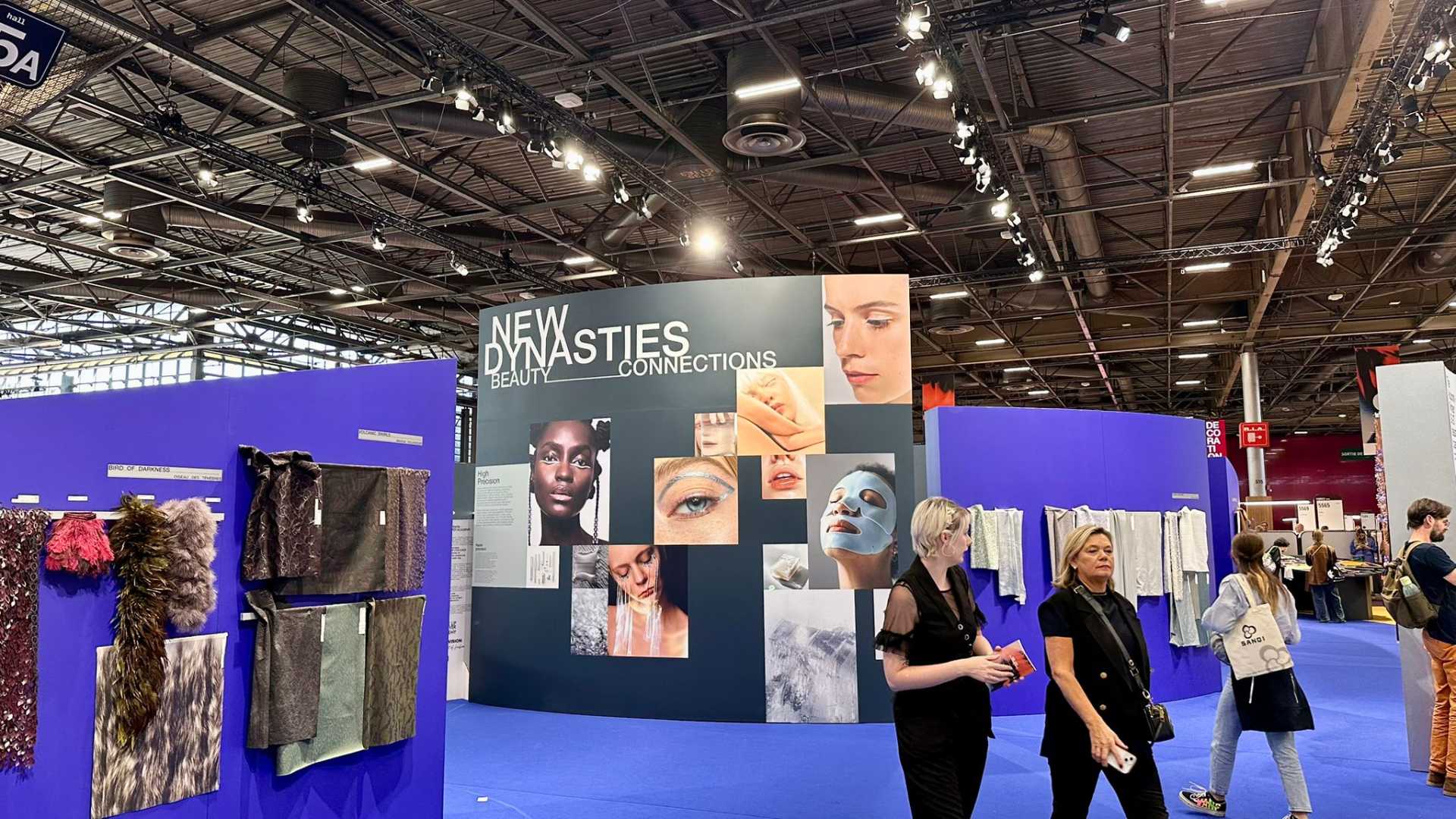
The declared objective, therefore, was not to turn Première Vision into a cosmetics show, but to establish synergies and underline the convergence of creative industries to reinforce the centrality of color in the proposal. In doing so, the organization opened the door to future cross-cutting alliances with brands interested in diversifying into new markets.
In parallel to the activity in the aisles of the show, Première Vision was also the scene of an unprecedented common front against ultra fast fashion. In the wake of the implementation of the anti-Shein law, some twenty European textile and clothing federations signed a joint declaration in Villepinte to call on Brussels and the member countries to take urgent measures against competition from Shein and Temu. The coincidence with the fair was not coincidental, but the meeting gives international visibility at a time of growing pressure from these platforms on the European market.
The fight against ultra ‘fast fashion’ was one of the main initiatives of the event
The document calls for the abolition of duty exemption on non-EU shipments of less than 150 euros, the application of VAT and the creation of a tax to finance customs controls. It also calls for the acceleration of investigations, as well as the opening of a channel of dialogue with the Chinese authorities. At the national level, the federations called for limiting the marketing practices of these companies, as France has already done with its law, and for supporting companies that invest in durability, quality and innovation.
Spokespersons underlined the urgency of the moment. Pierre-François Le Louët, president of the Union of French Fashion and Apparel Industries (Ufimh), warned that the industry will not wait, while Mario Jorge Machado, president of Euratex, argued that creativity and intellectual property cannot be destroyed. According to the federations, shipments from Chinese platforms exceeded 4.5 billion packages in Europe last year, equivalent to 5% of clothing sales on the continent and 20% of fashion e-commerce.
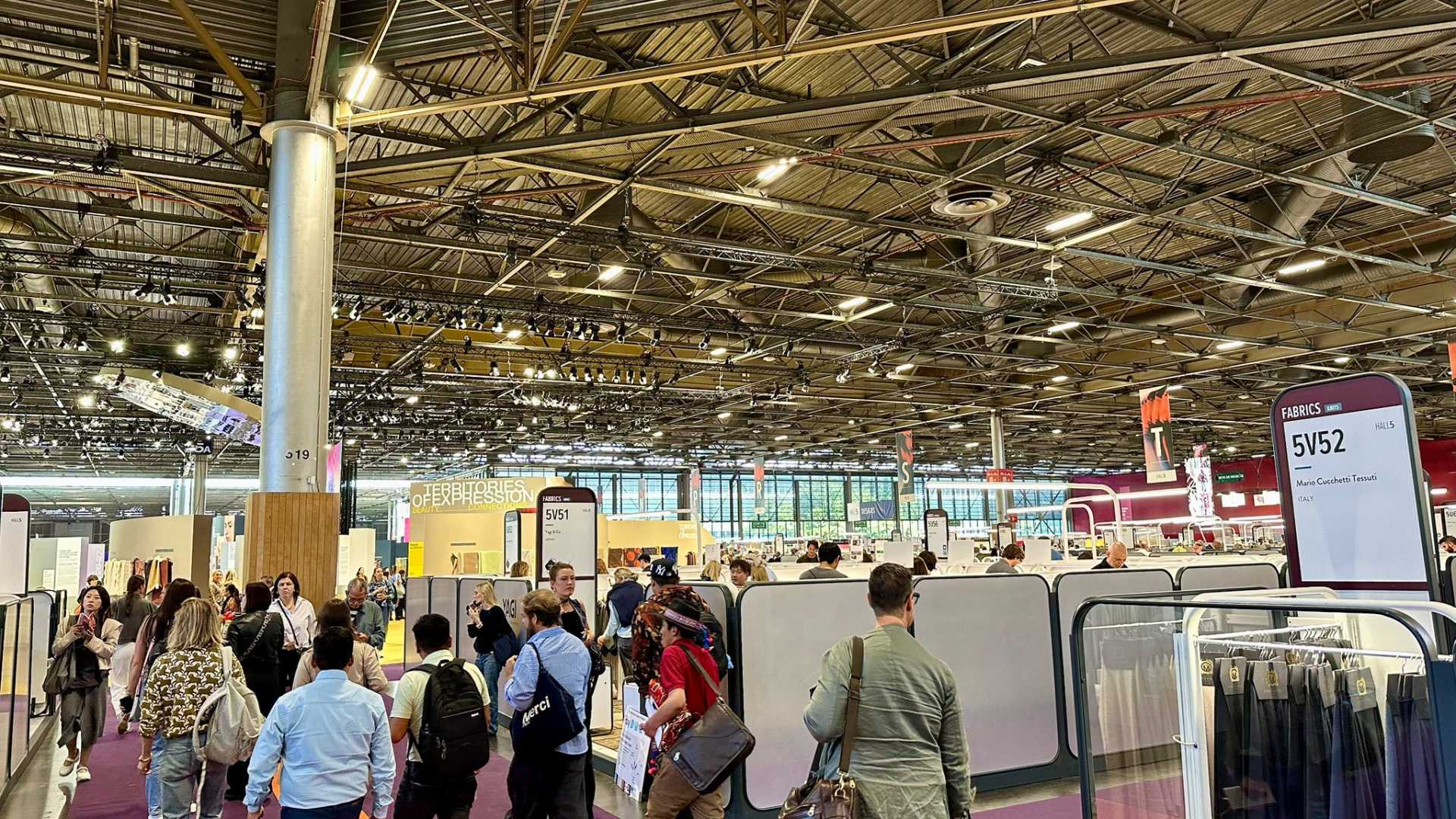
Likewise, the urgency of putting sustainability back on the business agenda was one of the recurring themes around the event. Sustainability has not been a priority in the last two years because of the uncertainty and the macroeconomic situation, so companies have had to focus on the short term,“ said the chief operating officer of the fashion e-commerce event, who said, “Sustainability has not been a priority in the last two years because of the uncertainty and the macroeconomic situation, so companies have had to focus on the short term.said the COO of Loop Industries, stressing that “legislation will be key for the whole ecosystem to move forward and build solidly”.
The head of the company specializing in plastic recycling also stressed that, despite the fact that “ten years ago the industry’s discourse was focused on reducing plastic consumption, this has increased exponentially”. For the technology and chemistry expert, widespread beliefs are also problematic and the need to boost waste management is vital. “Although people have plastic bottles in mind as the main source of pollution, the textile industry is responsible for most of that waste, which ends up becoming donations that end up accumulating in disadvantaged countries.“
Purchasing and stock management, keys to rethinking sustainability
Consuming less, but doing it better and with elaborate strategies was one of the answers provided by the sector during the fair, in the midst of reinventing the trade in raw materials. “We have a huge problem of global overproduction and the management of excess stock is one of the great challenges facing the industry,“ said Victoire Satto, head of the responsible platform The Goods Goods.
“In fashion, when you don’t know what to do, you do even more,“ said Barbara Maiocchi, CEO of trend forecasting specialist LiveTrend. “During my career as a designer and product manager, I made so many garments that I understood that we overproduce so much to try to guess what the customer wants, fumbling with similar versions or different adaptations of the same product,“ she reflected on the industry’s trial-and-error operation. “This kind of testing is one of the big problems, we have to think wisely about what we produce so that production makes sense and we carry out responsible manufacturing,“ he defended.
Precisely the buyers, the main players in the trade shows, play a fundamental role in improving consumer practices. “Fashion companies sometimes buy too much in the buying process, which means they don’t have the right products at the right time or the right quantity, which translates into subsequent economic, sales and stock problems,“ argued Thomas Jaunot, spokesperson for the Centric Software solution.
For many, this transformation is intrinsically linked to the design process. “Excess inventory and overproduction are problems whose main response should be to reinvent the way we produce from these surplus materials,“ noted creative Simon Peyronnaud, co-founder of Andam Award-winning firm Losanje. “ Upcycling can be much more profitable than traditional linear business if we look at deadstock as raw material for new collections,“ he concluded.
Related content
Trade fair marathon in September from Shanghai to Madrid and Paris
3 sep 2025 - 05:00
Birkenstock projects double-digit growth through 2028 with renewed strategy
29 ene 2026 - 11:16

Levi Strauss Boosts Profitability: Dodges Tariff Impact and Triples Earnings
29 ene 2026 - 11:15
Latest news
Birkenstock projects double-digit growth through 2028 with renewed strategy
29 ene 2026 - 11:16
Levi Strauss Boosts Profitability: Dodges Tariff Impact and Triples Earnings
29 ene 2026 - 11:15
H&M keeps its finger on the pulse and earns 4.6% more at fiscal year-end
29 ene 2026 - 11:10
Gordon Brothers Takes Over LK Bennett, Sets Stage for Global Expansion
28 ene 2026 - 12:33