China’s Next Moves: Consumption at the Heart of the New Five-Year Plan
The Asian titan drafts its five-year roadmap against the backdrop of U.S. trade disputes. In a bid to counteract rising global protectionism, China shifts its gaze internally.
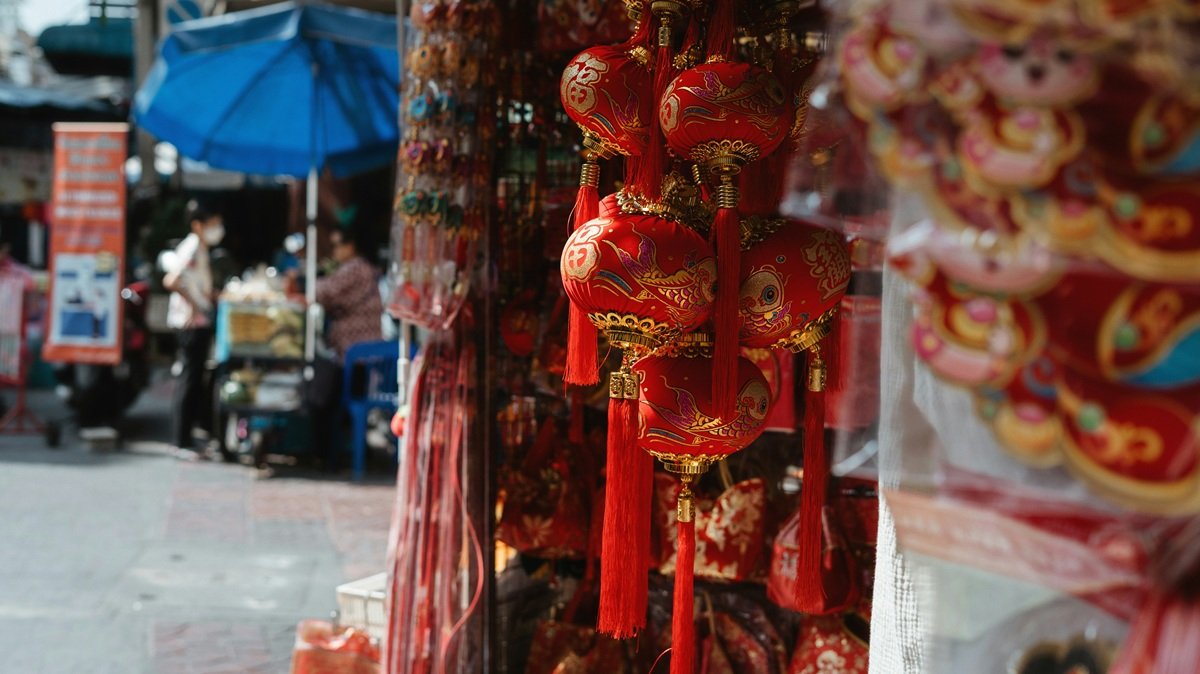

After 25 years of opening up to the world, China is looking inward in its 15th Five-Year Plan, the roadmap rigorously laid out by the Central Committee of the Communist Party of China (CPC) every five years that will govern the Asian giant’s economic and social growth between 2026 and 2030. The first plans, which began in the 1950s, promoted the country’s massive industrialization. Later, the focus shifted to the economy, and since the 2000s, the focus has been systematically on opening up to international markets. With its new plan, China wants to recover definitively from the Covid-19 blow and become self-sufficient, shielding itself against international uncertainty.
The national Gross Domestic Product (GDP) growth target for 2025, presented by the National People’s Congress at the beginning of the year, stands at 5%. Although this is much lower than the double-digit growth that characterized the Chinese economy at the beginning of the century, the figure also exceeds the forecasts of the main international organizations (the World Bank, for example, estimates a 4.8% increase). With the world increasingly raising barriers to international trade, which has been the engine of China’s growth, domestic forecasts point to further stimulus from the government, especially at home.
Although the new five-year plan will not see the light of day until March 2026, last week the CCP approved the guidelines for the next roadmap of the world’s second largest economy, among which it establishes domestic consumption and self-sufficiency as the engine of growth. The official information published by the country’s media, which has resonated in multiple international media, directly mentions “significantly raising the consumption rate of households” and “strengthening the role of domestic demand”.
This line of work has already begun this year, with a plan of more than 40 billion dollars, in the form of aid, bonuses and wage increases launched in mid-March. The government’s decision to support consumption comes after the slow slowdown in the country’s domestic demand, which in fashion has weighed down the results of the main luxury operators, with a high concentration of their sales in the country.
According to the latest available data, China’s GDP grew by 1.1% quarter-on-quarter between July and September, maintaining the pace of growth seen in the second quarter of 2025, when the Asian economy posted a 1% rise. The year-on-year rate, however, slowed slightly from 5.2% to 4.8%, its slowest pace in recent years. On an annualized basis, the growth rate remained at 4.5% for the nine months .
The disaggregated data, however, show a loss of dynamism in the main indicators of industrial production, consumption and investment. In terms of spending, retail sales in China’s third quarter reflected a slowdown in September, with an increase of 3%, compared to the 3.4% growth recorded in August. In quarterly terms, in the third quarter of the year, retail consumption increased by a cumulative 3.4%, compared to the 5.4% recorded in the previous quarter.
Retail consumption slowed down in the third quarter, from 5.4% to 3.4%
This, explains the CaixaBank Research analysis, “confirms the drag of domestic consumption on Chinese growth in the second half of the year, explained by the progressive exhaustion of the fiscal incentive program for the purchase of consumer durables”.
In terms of production, manufacturing activity in the Asian giant slowed down in the last quarter, with an expansion of 5.8%, compared to the 6.2% expansion of the previous year. Against all odds, however, and as already hinted at in the latest export data published by the Chinese government, the country’s exports have not suffered as a result of the trade conflict between China and the U.S. Specifically, the Asian giant’s foreign sales increased by 8.3% in September, compared to a rise of 4.3% in August.
This rise, according to CaixaBank Research, presents “its fastest pace of growth since March, then with a global economy in anticipation mode of U.S. tariffs.“ The nuances are also seen in the giant’s foreign trade, as exports to the United States fell by as much as 27% in September, with a cumulative negative of almost 17%.
The main focus of China’s 15th Five-Year Plan, however, is technological self-sufficiency, with the aim of achieving decisive advances in “key technologies” and reducing the scientific and technological dependence that many Chinese technology companies have on their foreign suppliers. The technology sector has been one of the key points in the trade war between China and the United States, and the giant’s new roadmap is once again aimed at boosting the growth of domestic industry, thus breaking US dominance in this area.
Related content
China Tariff Reduction: Trump Announces New 10% Rate Agreement
30 oct 2025 - 07:24
China: Fashion Market Moves to Captivate Europe
20 oct 2025 - 05:00

Fashion Titans Shift 20% of Production from China
2 oct 2025 - 05:00
Chinese Fashion Industry Faces Fourth Month of Decline as Demand Drops
31 jul 2025 - 07:34
Latest news
Birkenstock projects double-digit growth through 2028 with renewed strategy
29 ene 2026 - 11:16

Levi Strauss Boosts Profitability: Dodges Tariff Impact and Triples Earnings
29 ene 2026 - 11:15
H&M keeps its finger on the pulse and earns 4.6% more at fiscal year-end
29 ene 2026 - 11:10
Gordon Brothers Takes Over LK Bennett, Sets Stage for Global Expansion
28 ene 2026 - 12:33