U.S. Tariff Troubles: Fashion Titans Shift 20% of Production from China
As American fashion imports climb 3% in the first seven months of the year, the U.S. slashes $2.7 billion from Chinese fashion supply chains, hinting at evolving global trade strategies.
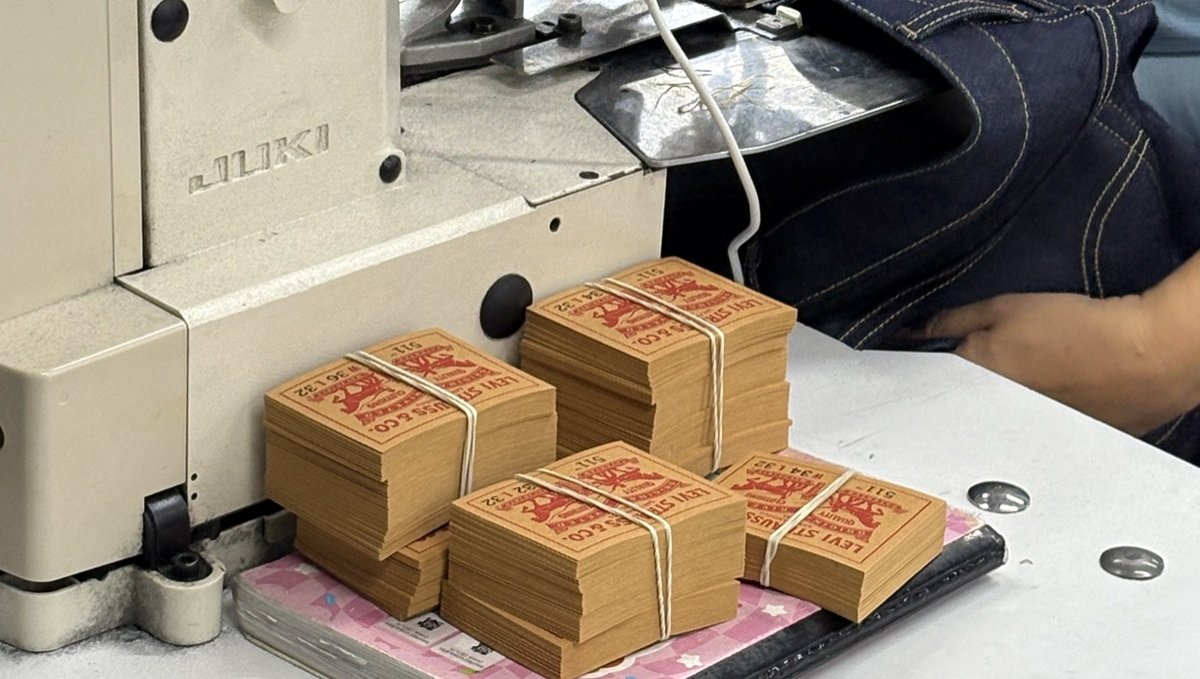


Zàijiàn. Goodbye. U.S. giants are beginning to disengage from sourcing in China, the world’s great textile factory. So far this year, American fashion has taken 20% of the production it made a year ago in the country from the Asian giant, in an attempt to reduce the impact on its accounts of the tariff changes introduced by Donald Trump. Nike, Gap and Abercrombie & Fitch are just some of the companies, from an increasingly extensive list of US companies that have warned of the punishment that the trade war initiated by the president of the country will have on their businesses.
As the world’s largest consumer market, and home to many international fashion giants, the United States imported fashion and textiles valued at $107.673 billion in 2024, up 3% from the previous year. Despite the country’s economic turmoil so far this year, with inflation threatening to spike again and the labor market less dynamic than usual, Americans have not stopped consuming fashion. The trend has reversed, however, in the case of imports from China, which have plummeted so far this year.
From January to July of this year, U.S. purchases of fashion and textiles worldwide rose by 2.9% to $61.42 billion, according to data from the International Trade Administration. In absolute terms, the increase translates into $1.705 billion more imports than in the same period in 2024. U.S. fashion and textile purchases from China, however, have fallen by 20% in the cumulative year to July, to $11.20 billion.
Considering that total U.S. textile imports have risen but those from China have fallen, U.S. companies have sought new origins than the production they were importing from the Asian giant until now.
U.S. fashion has reduced its sourcing from China by 20% up to July
Despite this, the Asian giant remains the main supplier of fashion to the United States, but the decline, which in absolute terms means up to 2.7 billion less than the previous year, has closed the gap between China and the rest of the major exporters of fashion to the United States. Vietnam, for example, is in second place, from where the United States imported $10.407 billion worth of fashion. In contrast to the double-digit decline in purchases from China, the Southeast Asian country is sending 18% more fashion to the United States than it did between January and July 2024.
In India, in third position by value of imports, the effect of tariffs has yet to materialize, up 11% through July. The figure, however, is a far cry from that recorded by China and Vietnam, with U.S. imports from the country amounting to US$6.218 billion. The trend is positive, in fact, in almost all major U.S. fashion suppliers, with increases in Bangladesh (21%), Indonesia (16%), Cambodia (23%) and Mexico (1%).
In the last twelve months, i.e. from July last year to the seventh month of the current fiscal year, the effect of tariffs has also been evident. While U.S. fashion purchases worldwide rose by 6% to $103.426 billion, those from China fell by 8% to $25.264 billion.
The world has also bought 3% less U.S. fashion so far this year
The tariff punishment has also gone the other way, with a generalized drop in U.S. fashion exports to the rest of the world. Specifically, from January to July of this year, companies in the sector sold $22.546 billion abroad, 3% less than in 2024. Mexico, the number one destination for U.S. fashion exports, posted a 6% drop to $6.639 billion.
China is again the country with the largest decline, with U.S. fashion and textile exports down 21% to $642.3 million, ranking fourth. Canada and Honduras, in second and third place, also reduced their fashion purchases from the country, by 4% in both cases.
The complication of the international trade chessboard has translated in different ways among the country’s companies, with one of the icons of U.S. fashion, Nike, leading the warnings about the impact of the tariffs. The fashion and sports equipment giant closed its first quarter of the fiscal year up yesterday, however, the company raised the impact the tariffs will have on its business for the full fiscal year by as much as $500 million more.
Specifically, the Oregon-based company now estimates a total cost of 1.5 billion, compared to the 1 billion projected in June, as well as a cut of 1.2 percentage points in its gross margin, up from the 0.75 points initially expected.
Nike leads the tariff impact forecasts so far, which it now puts at $1.5 billion
Gap, for its part, pointed at the end of August to an impact of another $150 million on its business derived from the U.S. tariff policy, and a drop in its operating margins of up to one percentage point in its operating margin compared to the previous year, which would stand at 6.7%. In its latest results for the second quarter, the U.S. retail icon closed the period with 9% more inventory, which it attributed to the increase in costs resulting from the tariffs.
In August, during the presentation of its first-half results, Abercrombie & Fitch also raised its full-year tariff cost estimates. Despite anticipating growth of up to 7% in 2025, the U.S. company also estimates that it will allocate a total of $90 million to mitigate the impact.
Although not all U.S. companies have put such a precise figure on the tariff impact on their business, many of them have included it as a factor to be taken into account in their forecasts for the year. U.S. department store giant Macy’s, for example, reduced its expected revenue for 2025 at the end of May, an impact of between 10 cents and 25 cents per share on its earnings.
Tapestry and Capri, the two American luxury giants, have also spoken out about the tariff effect on their results. On the one hand, Capri, owner of Michael Kors and Jimmy Choo, closed its last fiscal year (ended at the end of March) attributing its 1% increase in inventory to the trade war, while Tapestry, in the opposite direction, was confident that the tariffs would have a “negligible” impact on its business.
Related content


Retailers Anticipate 5.6% Dip in Trade Volume Amid Tariff Concerns
11 ago 2025 - 15:05


Swatch Sees 89% Profit Decline in 2025 Amid Tariff Woes and Sluggish Demand
30 ene 2026 - 04:26
Latest news
Swatch Sees 89% Profit Decline in 2025 Amid Tariff Woes and Sluggish Demand
30 ene 2026 - 04:26


Inditex’s Eduard Casabella on Oysho’s Sport Pivot and Growth Through Identity
29 ene 2026 - 18:40

McKinsey’s Gemma D’Auria on Luxury’s Pullback and Fashion’s Resilience in 2026
29 ene 2026 - 18:35