China Tariff Reduction: Trump Announces New 10% Rate Agreement
In a historic face-to-face meeting in Busan, marking the first in six years, the pact has been sealed. For now, the tariff reduction holds for a year, with prospects for an extension. Currently, average tariffs stand at 47%.
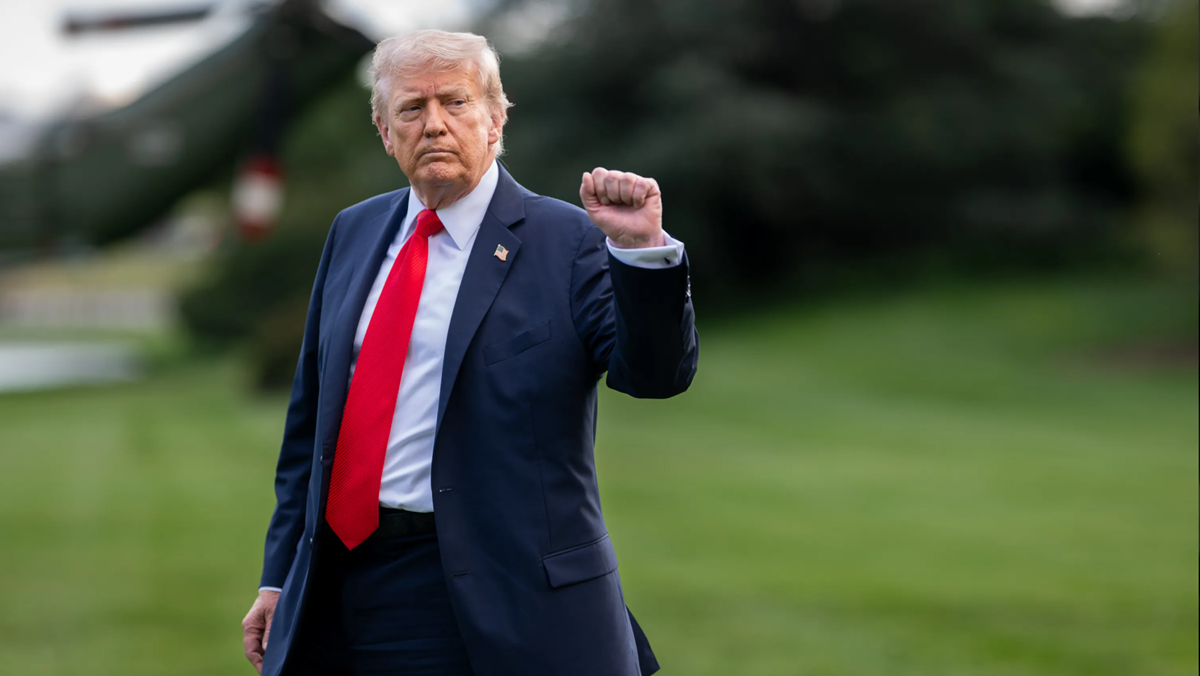

Donald Trump and Xi Jinping have reached an agreement to cut tariffs from the current 20% to 10%. The agreement will be effective immediately and will last for one year, with the possibility of extension. The presidents of the United States and China, respectively, have met in person after six years, in the city of Busan.
Trump imposed the tariff with the justification of the alleged uncontrolled trafficking of fentanyl entering the country from China. Thus, with the reduction of the fentanyl-related tariff on Chinese products to 10%, the average tariff on most Chinese imports would stand at 47%, 10 percentage points lower.
In exchange for the cut, Xi Jinping has pledged to control fentanyl trafficking and to postpone restrictions on rare earth exports and to resume purchases of U.S. soybeans, a major concern of farmers in the U.S. China controls about 70% of the world’s fentanyl imports.China controls about 70% of the world’s rare earth extraction and more than 90% of its processing, according to The Guardian.
With this cut, average tariffs on Chinese imports would stand at 47%
Thus, China is postponing for one year export controls on rare minerals used in fighter planes, smartphones and electric vehicles, key products for U.S. industries.
Already in the days leading up to the meeting between Trump and Xi, the US administration has been giving signals that it would not impose the 100% tariff on imports of Chinese products, as it had announced it would do by November 1. For its part, China also gave indications that it is willing to relax its controls on rare earth exports and resume soybean purchases.
The trade war between the two powers had escalated, however, earlier in the month. It did so after Beijing proposed to drastically expand restrictions on exports of rare earth minerals. In response, Trump threatened to extend tariffs to 100%, and restrictions on exports to China of products made with U.S. software.
The meeting comes after Trump visited Malaysia, Japan and South Korea on his Asia tour, where he also closed a series of rare earth deals.
Related content
Colombia Eyes Tariff Cuts on Yarn and Fiber to Boost Domestic Apparel Industry
27 oct 2025 - 13:55

Tariffs to Add $1.2 Trillion Cost Burden on Companies by 2025
20 oct 2025 - 16:07
OECD Predicts 2026 as Year of Full Tariff Impact Under Trump Policies
6 oct 2025 - 06:22

Birkenstock projects double-digit growth through 2028 with renewed strategy
29 ene 2026 - 11:16
Latest news
Birkenstock projects double-digit growth through 2028 with renewed strategy
29 ene 2026 - 11:16

Levi Strauss Boosts Profitability: Dodges Tariff Impact and Triples Earnings
29 ene 2026 - 11:15

H&M keeps its finger on the pulse and earns 4.6% more at fiscal year-end
29 ene 2026 - 11:10

Gordon Brothers Takes Over LK Bennett, Sets Stage for Global Expansion
28 ene 2026 - 12:33