India Ramps Up Textile Drive with Tax Breaks, Looks to Solidify EU Agreement
India’s government has placed the textile and fashion industry at the heart of its 2026-2027 budget, offering incentives for investment, sustainability, and export growth. The sector remains optimistic that the EU trade agreement will bolster its competitive edge.

India has reinforced its industrial strategy for textiles and fashion in the budget presented for the 2026-2027 fiscal year. The Executive’s plan combines tax incentives, modernization programs and export support, with the aim of strengthening one of the country’s most employment-intensive sectors.
According to the budget document presented by Finance Minister Nirmala Sitharaman, the government will implement an integrated program for textiles structured in five axes, ranging from natural and synthetic fibers to sustainability, training and modernization of production clusters.
The main measures include the creation of large textile parks in “challenge mode”, also aimed at the development of technical textiles, as well as the extension of the maximum time limit for exporting textile, clothing and footwear products from six to twelve months, a historical demand of the sector.
The budget also provides for the duty-free import of certain inputs for the production of “shoe uppers” (parts of the shoe that are mounted above the sole and cover the foot), extending a benefit that until now applied to finished footwear, in addition to the launch of the Mahatma Gandhi initiative, which will allow the country’s textile, apparel, and footwear sector to import more than 1,500,000 pairs of shoes per year.In addition to the launch of the Mahatma Gandhi Gram Swaraj initiative to strengthen khadi, handicrafts and rural trades, with a focus on branding and access to global markets.
The Confederation of Indian Textile Industry (Citi) has welcomed the package of measures. Its president, Ashwin Chandran, said that “the budget is a strong manifestation of the government’s commitment to future-proof the textile and apparel sector and make it more resilient in the face of global headwinds”.
The textile, apparel and footwear industry generates 45 million direct jobs every year and more than 100 million indirect jobs
However, the employers’ association points to pending challenges. Chandran recalled that no direct tariff cuts have been announced to improve the competitiveness of cotton, which represents about 60% of the Indian textile market, and warned that “the absence of a direct investment support mechanism is being felt”, especially for SMEs.
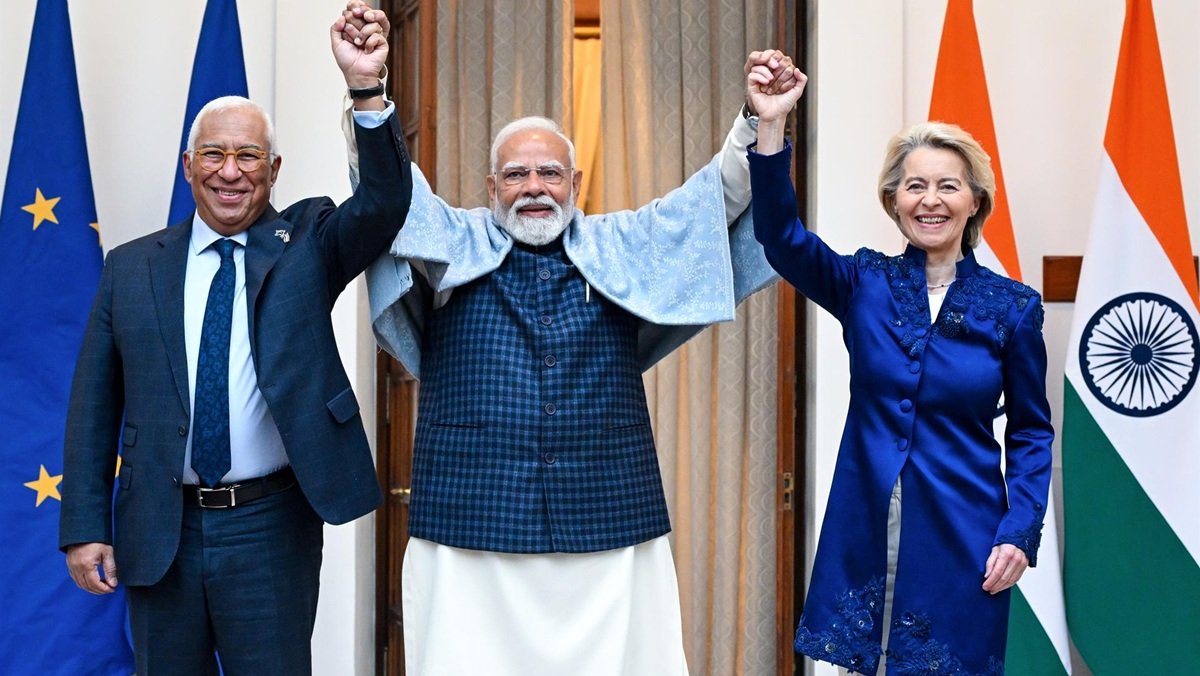
Added to this context is the trade boost that could come from the entry into force of the free trade agreement between India and the European Union, scheduled for 2026. The Minister of Commerce and Industry, Piyush Goyal, assured that textiles and fashion “will have full access to the European market from day one” and estimated that exports to the bloc could grow from the current 7 billion to 30 billion dollars in the short term.
According to India’s Ministry of Textiles 2024-2025 report, the country’s textile, apparel and footwear industry generates more than 45 million direct jobs annually and some 100 million indirectly.
Related content

EU Unlocks Market with Historic Free Trade Agreement with India
27 ene 2026 - 10:35

Desigual Joins the India Rush: Partners with Ecommerce Giant Myntra
4 dic 2025 - 14:53

India’s Labor Landscape Transformed for 640 Million
26 nov 2025 - 05:00