Navigating Tariffs: What Steps Have Nike, LVMH, and Gap Taken in the Fashion Industry?
With the U.S. fashion industry facing a potential $150 billion tariff wave, major retailers like Gap and Ralph Lauren are strategizing to safeguard their bottom lines amid rising costs.
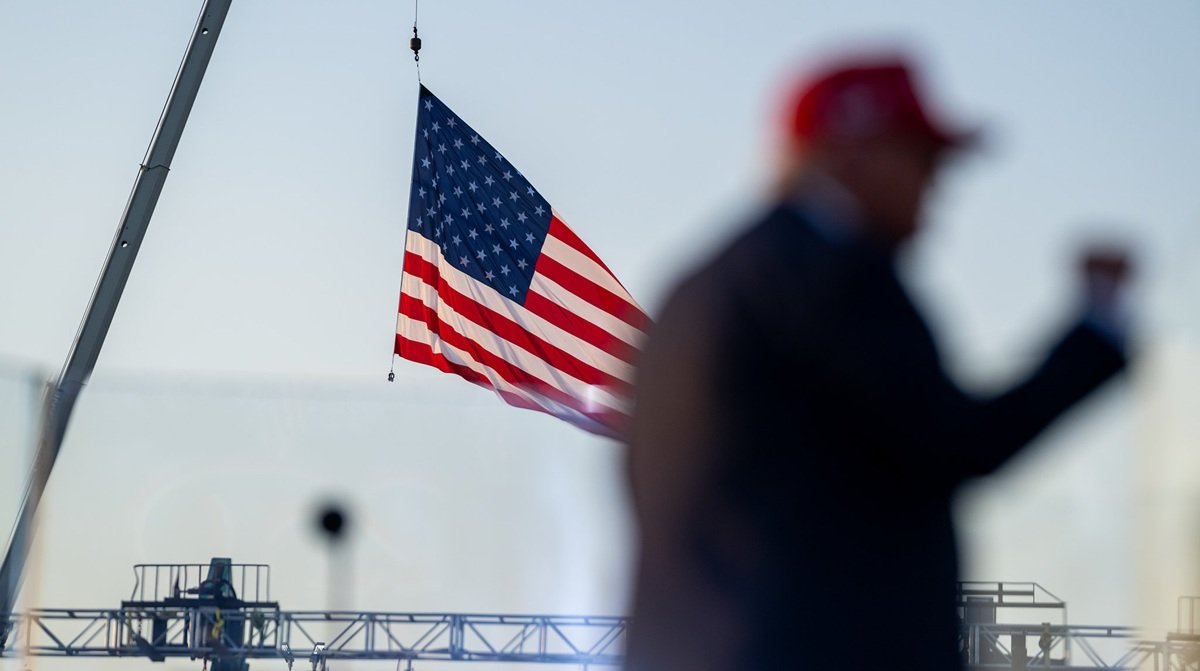

The reciprocal tariffs announced by Donald Trump in April have hit fashion, which has its largest consumer market in the world in the United States and the largest concentration of its value chain in Asia. Three months later, the president of the American power has announced a new zero day for the entry into force of these levies, and that they will not catch fashion off guard on August 1. What have luxury, footwear and large retailers done so far to prepare for the tariff wave?
In 2024, the United States imported finished fashion, textiles and leather goods worth $147.488 billion, according to data from the U.S. International Trade Administration. Of all the goods purchased by the U.S. from the rest of the world, fashion accounted for 4.5% of the total last year.
A large part of these imports, moreover, come from textile hubs in Asia, where fashion accounts for a large part of the supply chain: China alone exported fashion to the United States for a value of $31,861 billion. From the reorganization of the supply chain announced by giants such as Nike to the price hikes proposed by Hermès, the fashion industry has had 90 days to prepare for an impact on fashion purchases abroad of almost 150 billion dollars, and the companies in the sector have not wasted the room for maneuver.
The United States imported fashion for almost 150 billion dollars in 2024
Large-scale distribution and footwear
The first companies to react were the large chains, which accumulate in the United States a significant weight of their income statements, and especially those of U.S. origin, which are more exposed to an increase in tariffs on trade with Asia. The latest was Nike, the U.S. footwear giant, which during the presentation of its annual results for 2024 estimated an impact of 1 billion on its gross costs.
During the conference with analysts, the company already announced the first measures planned to avoid the impact of the escalation, including reducing its sourcing from China from the current 16% to a single digit figure. In parallel, Nike also expects a slight price increase in the United States starting next fall season.
If the latest announcement has come from Nike, the shoe company Steve Madden or the Kontoor Brands group, both American, were among the first to announce their strategy to the possible new trade order. The path differs between the two companies: while Steve Madden announced back in February a price increase planned also for part of the fall-winter catalog and relocation of part of the value chain, Kontoor, owner of brands such as Lee, opted to maintain its production in Mexico, already with an eye on a possible compensation of the impact in 2026.
Nike was the last company to implement a strategic plan to avoid the tariff impact
Also in the group of U.S. companies, Ralph Lauren, Gap and Victoria’s Secret have estimated an impact on the companies’ financial results for this year. Although the three companies expect the tariff policy to have an impact of between $50 million and $150 million, only Ralph Lauren has commented on a possible strategy, whereby it plans to reduce its sourcing from any country, including China, to less than 20%.
Gap, on the other hand, which in the worst-case scenario could suffer an added gross cost of up to $300 million (or 150 million less in operating income), not only did not announce possible containment measures, but assured that it would maintain its repositioning strategy in Old Navy, Banana Republic and Gap.
On the other side of the ocean, the second-largest retailer H&M was another company to announce a sourcing strategy in the face of rising tariffs. At the end of March, on the occasion of the analyst conference following the first quarter results, the group’s chief financial officer, Adam Karlsson, already announced some relocation of sourcing to markets with “less tariff impact”. The company has also announced “price positioning”.
Puma, for its part, the second largest German group in the fashion and sports equipment sector, has also anticipated a tariff hit on its business. In the last results presentation, in fact, the company had already reduced to 10% its items exported to the United States directly from China, a figure it plans to reduce further. In their place, however, other hubs such as Vietnam and Cambodia, which also face a possible high tariff from the United States, have been gaining weight, which has led the company not to rule out a possible price increase.
The luxury sector has opted to raise prices rather than redistribute the chain
Luxury
This repositioning, which in practice translates into an increase in the final price of products, is the strategy that has dominated among luxury companies in particular. One of the first companies to react was Hermès, which in mid-April announced price increases for its products starting in May.
This increase, however, will be on the company’s sales in the United States, precisely to compensate for the extra cost of bringing the merchandise into the country. The decision of H&M or Nike to relocate their supply chain to other countries with less impact is even more complicated in the luxury sector, which often depends on the know-how of small textile hubs and artisans.
It was under this premise that Kering defended its 2025 strategy, whereby it ruled out moving part of the chain to the country North America. We are selling parts of our culture, of the Italian or French culture,“ explained the group’s CEO, François-Henri Pinault, “so we have no intention of responding to the measure”.
Different has been the strategy of LVMH, the other major competing luxury group with brands such as Dior in its portfolio. The conglomerate, in the hands of French businessman Bernard Arnaud, explained in mid-April its plans to move part of its production to the United States, where it already operates up to three plants. This strategy is not new within the group, which during Trump’s first term consolidated part of these factories in the country, specifically, a factory in Texas, which involved an investment of $50 million.
Related content
Trump Keeps July 9 as Cutoff to Avoid Tariffs Without New Trade Agreements
29 jun 2025 - 15:26
Tariffs Push Nike’s Costs Higher, With $1 Billion Hit on the Horizon
30 jun 2025 - 06:00
U.S. Fashion Prices Continue to Fall Even as Tariff Pressures Loom
12 jun 2025 - 12:25
LVMH Shares Plunge, Pull Luxury Sector Down Following Disappointing Results
28 ene 2026 - 08:04
Latest news
Birkenstock Charts Robust Growth Path to 2028 with Fresh Strategy
29 ene 2026 - 11:16

Levi Strauss Boosts Profitability: Dodges Tariff Impact and Triples Earnings
29 ene 2026 - 11:15
H&M Holds Steady: 4.3% Profit Surge in 2025 Approaches €1.06 Billion Mark
29 ene 2026 - 11:10
Gordon Brothers Takes Over LK Bennett, Sets Stage for Global Expansion
28 ene 2026 - 12:33