Fashion’s Digital Passport Debuts: Bangladesh Pioneers in Supply Chain Innovation
In a bid to enhance global competitiveness, Bangladesh’s garment industry aims to align with international standards, solidifying its status as the world’s second-largest textile exporter.
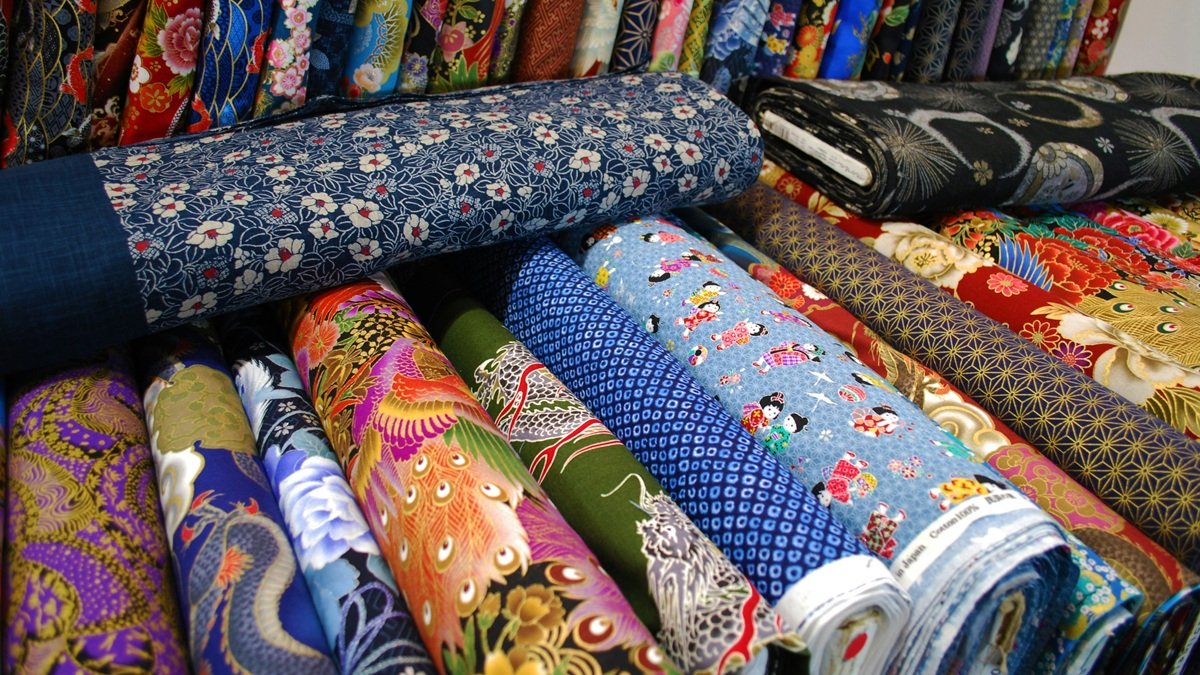

The Bangladesh Garment Manufacturers and Exporters Association (Bgmea) is taking another step forward in its digitization strategy. The entity on Tuesday announced the development of an Artificial Intelligence (AI)-driven digital passport for fashion to optimize data management and reporting in the country’s garment industry.
The aim, Just Style advanced, is to help factories adapt to the requirements imposed by international buyers, as well as to position the country as a global sourcing hub. The digital tool will also serve to reduce audit workload and improve efficiency in monitoring sustainability.
Last summer, the European Union published a new and updated Ecodesign Sustainable Product Regulation (ESPR), which directly affects fashion. The main focus of the regulation was the mandatory application of the Digital Product Passport, which can include data on the production of the item (such as the origin of the item’s fabric) to ensure maximum possible traceability.
At a press conference, the President of the Manufacturers’ Association, Mahmud Hasan Khan, stressed “the importance of innovation” and digital transformation in terms of efficiency, but also sustainability. Bangladesh thus decides to adapt to European regulations in order to be able to continue selling internationally. Other members of the organization also emphasized the potential of this tool for the country’s industry to work responsibly.
Bangladesh’s objective is to make itself more attractive to international buyers in order to maintain its strong position in terms of global exports
Bangladesh has been in the international spotlight this year, with increased pressure on its fashion sector, the world’s second largest textile exporter, to revise wages for the industry’s four million workers, who are paid a monthly minimum of 12,500 taka ($101).
On the other hand, this year has also seen an alliance between the United States and the country. In May, a breakthrough was made public in the negotiations to implement a free trade agreement between the two countries, which could become one of the first bilateral treaties promoted after the entry into force of the tariffs announced by Washington.
The United States is, in fact, the country’s main trading partner, accounting for 17% of total exports and 18% of textile exports. The country’s importance in the Bengali economy has meant that this is not the first attempt to reach a similar agreement since the beginning of April, when the reciprocal US tariffs came into force.
On the other hand, relations with India have cooled, with New Delhi in May imposing barriers on Bengali textile imports, banning them from its cross-border ports. This was a setback for Bangladesh, which is totally dependent on Indian ports and airports for exporting products manufactured in the country to third parties.
Related content
Leading the Charge: Bangladesh’s Dominance in Cotton Imports
19 sep 2025 - 07:19

Bangladesh Eases Export Duties to U.S., Implementing a 20% Reduction
11 ago 2025 - 07:32

Bangladesh: 12 months after the Monsoon revolution
28 jul 2025 - 05:00
Latest news
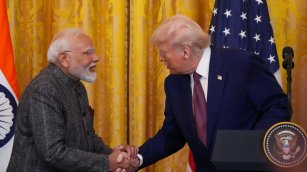
U.S. and India Ink Surprise Trade Deal Following EU Accord
3 feb 2026 - 12:16

Capri’s Fresh Start: Turns a Profit and Slashes Debt Following Versace Sale
3 feb 2026 - 12:14

Rituals Closes 2025 with a 15.7% Surge, Reaching €2.43 Billion
3 feb 2026 - 08:05

Puma Shakes Up Operations with Training Division, Taps Former Adidas Leader
3 feb 2026 - 07:53