

Bangladesh Back in the Sourcing Spotlight: Government Pushes for Union Formation
The country’s textile industry leaders stand firmly against the Asian government’s move to bolster union activities in workplaces. Concerns are mounting over potential new protests reminiscent of the upheaval seen in 2024.
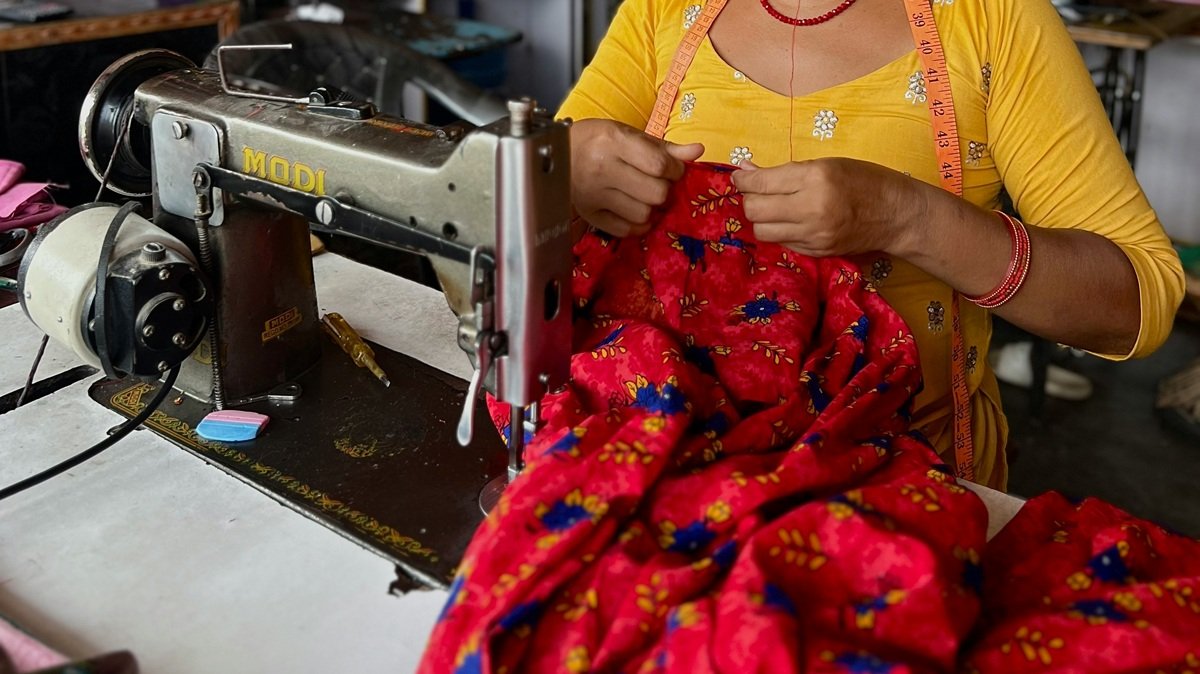


Two years after the social unrest that ended with the dissolution of the government in Bangladesh and put industries such as textiles in check, the country is preparing for a new moment of change. The government of Bangladesh, one of the world’s largest textile producers, is preparing to introduce a legislative initiative to promote unionization in the country.
The text of the draft legislation has yet to be debated in parliament. The government wants to lower by law the conditions for workers to join and form unions within companies.
According to the proposal, twenty signatories would be sufficient to form a union in a company with up to 300 employees. For companies with between 301 and 500 employees, forty signatories would be necessary, and one hundred in the case of companies with 501 to 1,500 employees. For large corporations, 300 workers in a company with 1,501 to 3,000 employees would suffice. For companies with more than 3,000 employees, 400 signatures would suffice.
Bangladesh wants to lower by law the conditions for workers to form and join trade unions within companies.
The country’s employers have pointed out that this text goes far beyond what had been negotiated with the social partners in the last talks, in which representatives of the government, workers and companies debated.
TheBangladesh Garment Manufacturer and Exporter Association(Bgmea) of Bangladesh hopes that the text will be watered down when it is debated by the country’s parliamentarians and expresses its disagreement with the current wording. “We want only those who have been actively defending workers’ rights for a long time to be part of these unions,“ its president, Mahmud Hasan, told the local press a few days ago.
The representative of the Bangladeshi textile manufacturers added that “we do not want owners of jute companies (adjacent textile sector) or owners of houses rented to workers to influence the formation of the unions.“
Bangladesh burned in 2024, due to massive social protests that lasted for almost a month and resulted in almost 300 deaths among protesters and police. Prime Minister Sheikh Hasina was forced to resign and leave the country.
Related content

Leading the Charge: Bangladesh’s Dominance in Cotton Imports
19 sep 2025 - 07:19
Bangladesh Eases Export Duties to U.S., Implementing a 20% Reduction
11 ago 2025 - 07:32

Bangladesh: 12 months after the Monsoon revolution
28 jul 2025 - 05:00
Bangladesh Port Strike Deals Another Blow to Global Fashion Supply Chain
1 jul 2025 - 07:32
Latest news
Asics Strengthens Production: Onitsuka Tiger Launches First Factory in Japan
16 ene 2026 - 08:03


Etam Group Restructures Leadership: Undiz CEO Elevated to Head Main Brand
16 ene 2026 - 07:54

Ralph Lauren Ventures into Entertainment: Taps Universal Talent for Board
16 ene 2026 - 07:52


