Fashion Industry on Edge: AAFA Warns About China-US Tariff Agreement
In a recent statement, the American Apparel & Footwear Association highlighted the ongoing tariff uncertainty between China and the U.S. after their second accord, prolonging tariffs for another 90 days.
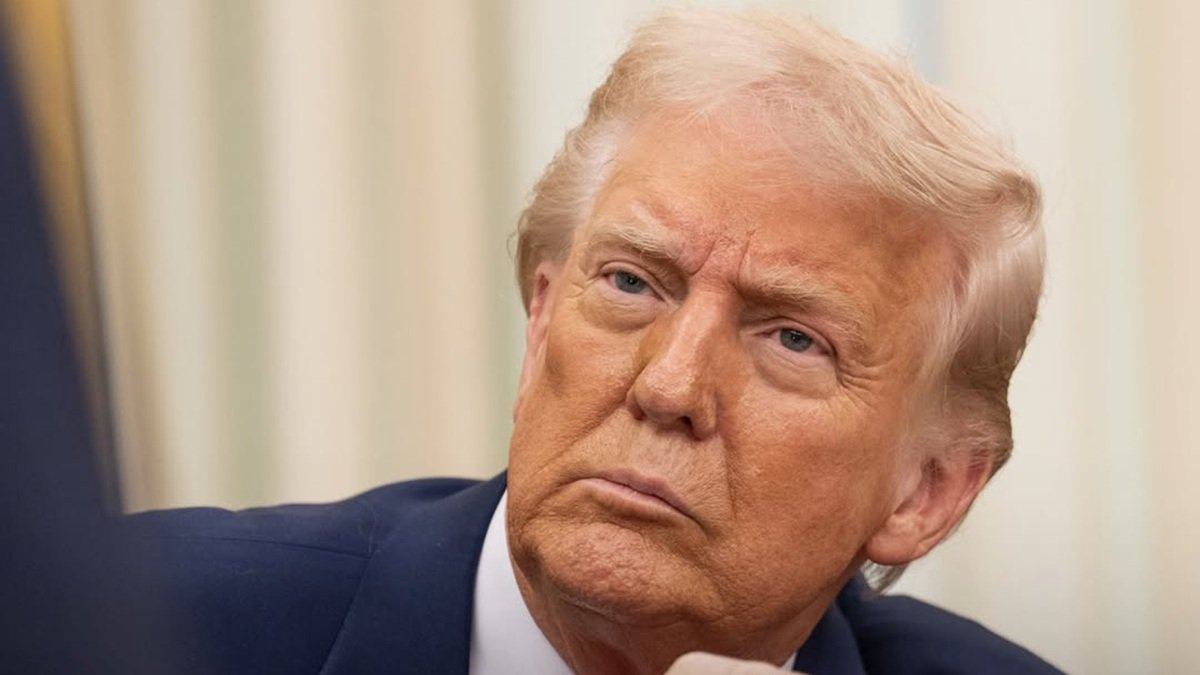

Uncertainty and concern over tariffs in the United States. The American Apparel and Footwear Association (Aafa) has issued a statement warning of the instability facing the industry in response to the latest executive order signed by President Donald Trump to extend tariffs between China and the United States, which extends the temporary reduction on imports from China by maintaining the prime rate of 30% for another 90 days.
Aafa President and CEO Steve Lamar states in the release, “We appreciate the administration’s continued engagement with China and the extension of the pause in the tariff increase, which will help avoid devastating consequences such as product removal and business closures. However, the steady cycle of delayed deadlines and vagueness in the terms of the agreements has kept U.S. businesses and consumers stymied since April 1st. This pattern has slowed, and continues to slow, innovation, strategic decision-making and long-term growth.“
In addition, Aafa is calling for a non-cumulation clause to be included in the tariff pact, similar to the Japan-U.S. agreements, with the goal of avoiding a rate higher than 30%, “which remains unsustainably high for our largest trading partner,“ they explain in the statement.
The U.S. Apparel and Footwear Association calls for a non-cumulation clause in the tariff agreement
Aafa asserts that “tariff policy does not support increased U.S. manufacturing production in our industry, nor the 3.6 million workers it currently employs.“ And it warns of the expiration of other legislation that would affect the industry, such as the African Growth and Opportunity Act (Agoa) and the Hope/Help trade preference programs for Haiti, both of which are set to expire on September 30.
Aafa’s concern is also growing in the country’s domestic sector, which “added to these already high tariffs, is a double taxation on hardworking American families paying for everyday essentials such as clothing and footwear.“
This is the second agreement reached by the two governments to extend the suspension of a substantial portion of each other’s tariffs for an additional three months. Under the same conditions as those signed in the first suspension, the levy on Chinese imports to the United States stands at 20% and the tariffs imposed on U.S. products in China remain at 10%.
Related content
Tariff Truce: U.S. and China Extend Suspension for 90 More Days
12 ago 2025 - 07:51
Bangladesh Eases Export Duties to U.S., Implementing a 20% Reduction
11 ago 2025 - 07:32
Trump’s Global Tariff Strategy Targets India and Strengthens EU Ties
30 jul 2025 - 15:31
Latest news

Swatch Sees 89% Profit Decline in 2025 Amid Tariff Woes and Sluggish Demand
30 ene 2026 - 04:26

Inditex’s Eduard Casabella on Oysho’s Sport Pivot and Growth Through Identity
29 ene 2026 - 18:40
McKinsey’s Gemma D’Auria on Luxury’s Pullback and Fashion’s Resilience in 2026
29 ene 2026 - 18:35