

Retail Defies Uncertainty: Competitive Forces Drive Up High Street Prices
Despite initial concerns about a slowdown, major retailers are doubling down on their expansion plans, driving up demand for retail spaces globally. The United States remains the slowest to respond.



Geopolitical tensions. Central banks trying to navigate competing forces that could revive or reduce inflation. Concerned consumers and low confidence. Weakened growth forecasts. This is the economic cocktail that has affected the world, and retail, over the past year. Although everything pointed to the growth plans of the world’s major operators coming to a halt, this has not been the case. Retail distribution, with fashion as one of its main protagonists, far from slowing down, has accelerated the take-up of positions around the world, raising the rents of commercial premises in practically all countries.
“Rather than resisting this turbulence, retailers have embraced it, recognizing that adaptation is essential to avoid being left behind,“ notes Cushman&Wakefield in the 2025 edition of the Main Streets Across the World report. “Competition for space remains intense, as more and more emerging brands challenge traditional brands for super-premium space,“ the consultancy adds.
Throughout the last fiscal year, rents on the world’s major shopping streets (which are a reflection of demand in these thoroughfares) continued to rise, albeit at a slower pace this year. According to data from Cushman & Wakefield, rental prices for commercial premises rose by an average of 4.2% worldwide, compared with a 5% increase in 2024.
Retail rental prices rose by an average of 4.2% worldwide
Despite the lower increase in rents, more streets showed rises over 2025 compared to 2024, with 58% of the world’s major commercial thoroughfares (a total of 82) recording increases, compared to 55% (78 streets) twelve months earlier. On the flip side, only 16% of the streets (22 in total) posted declines, with the remainder maintaining stable rents.
While the Americas continues to be the best performing region (up 7.9%), the strongest growth this year has been recorded in South American cities, although this was mainly due to changes in exchange rates. Rental growth in Europe accelerated from 3.4% to 4%, while in Asia-Pacific it slowed from 2.8% to 2.1% over the past year.
The United States is the market that, according to the data, is being most affected by the global instability in terms of retail rents. “After several years of rapid growth, rents in the U.S. accelerated more moderately over the past year, averaging 2.5%,“ says Cushman&Wakefield.
While New York’s upper Fifth Avenue remained flat during the year, the neighboring Madison Avenue and Soho areas posted growth of more than 8%. “Both are lively areas of the city and attract significant foot traffic, but with rental discounts of 30% to 50% compared to Upper Fifth Avenue,“ the consulting firm details.
While Fifth Avenue, the international fashion mecca, stagnated in rent growth over the past year, double-digit rent growth was recorded on Georgetown in Washington, D.C., Worth Avenue in Palm Beach and Las Olas in Fort Lauderdale, “although all were starting from considerably lower bases.“ Both Seattle and Chicago have recently faced economic difficulties due to weaker growth and rising unemployment, reflected in a decline in rents of about 13% over the past year, the report explains.

Retail rents in Europe remained strong, however, with a number of markets leading the global figures. In fact, the two most expensive streets in the world to open retail premises are European: New Bond Street in London and Via Montenapoleone in Milan.
As the consultancy highlights, Budapest has been a standout performer in recent years and the trend is set to continue in 2025. “In a remarkable turnaround, Fashion Street has overtaken Váci utca as the city’s top shopping area, as rents have increased by more than 30%,“ the report explains.
In London, New Bond Street, Oxford Street and Regent Street all recorded double-digit rental growth, followed closely by Covent Garden. “There are a number of trends at play, based on retailers’ ongoing desire to establish a presence in the city,“ explains Cushman&Wakefield; “demand has reduced vacancy rates to around 5%² driving key streets as prime retail locations.
In contrast, Luxembourg City was the only European market to record a decline over the year. Demand for space has slowed recently, leading to a 10% decline in rents.
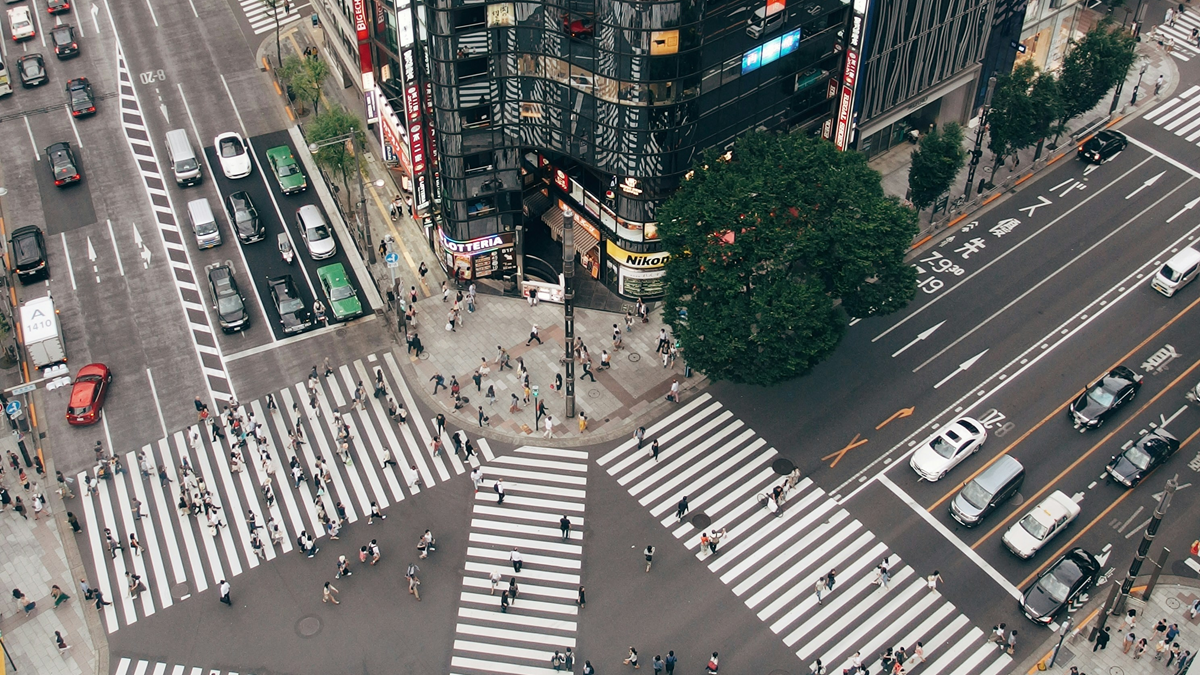
The picture in Asia-Pacific is the most varied of the three regions and the overall growth of 2.1% “hides a number of different trajectories”. The region’s strongest performers were India’s tier 1 cities, led by the Galleria Market precinct in Gurgaon, which recorded rental growth of 25% over the past year. Also contributing to this result were Connaught in New Delhi and Kemps Corner in Mumbai, where rents grew by 14% and 10%, respectively.
India’s economic development and rising household wealth has led to increased interest in the country’s main commercial thoroughfares over the past year from operators in sectors such as fashion, which is driving up competition and therefore prices for premises.
In Tokyo, rental growth was recorded in Ginza and Omotesando, up 10% and 13%, respectively, while rents remained stable in Shinjuku. More modest increases were recorded in Singapore’s Orchard Road and Sydney’s Pitt Street Mall, albeit after years of stable rents.
“Economic difficulties in Greater China and parts of Southeast Asia had a dampening effect on rents,“ notes Cushman&Wakefield. “In mainland China, subdued domestic consumption has kept inflation in check, while weak tourism in Southeast Asia has exacerbated the problems, further exacerbated by widespread economic uncertainty,“ it notes.
Related content



TAG Heuer CEO Departs Amid LVMH’s Watch Sector Turmoil
19 ene 2026 - 10:49

Jewelry shields Richemont
19 ene 2026 - 04:09
Latest news
TAG Heuer CEO Departs Amid LVMH’s Watch Sector Turmoil
19 ene 2026 - 10:49
Jewelry shields Richemont
19 ene 2026 - 04:09

Asics Strengthens Production: Onitsuka Tiger Launches First Factory in Japan
16 ene 2026 - 08:03


