VF Corporation Transitions Supply Chain from Turkey to Vietnam Due to Inflation
Faced with soaring inflation and escalating costs in Turkey, the U.S.-based fashion powerhouse behind The North Face and Vans has relocated up to 80% of its production to Asia.
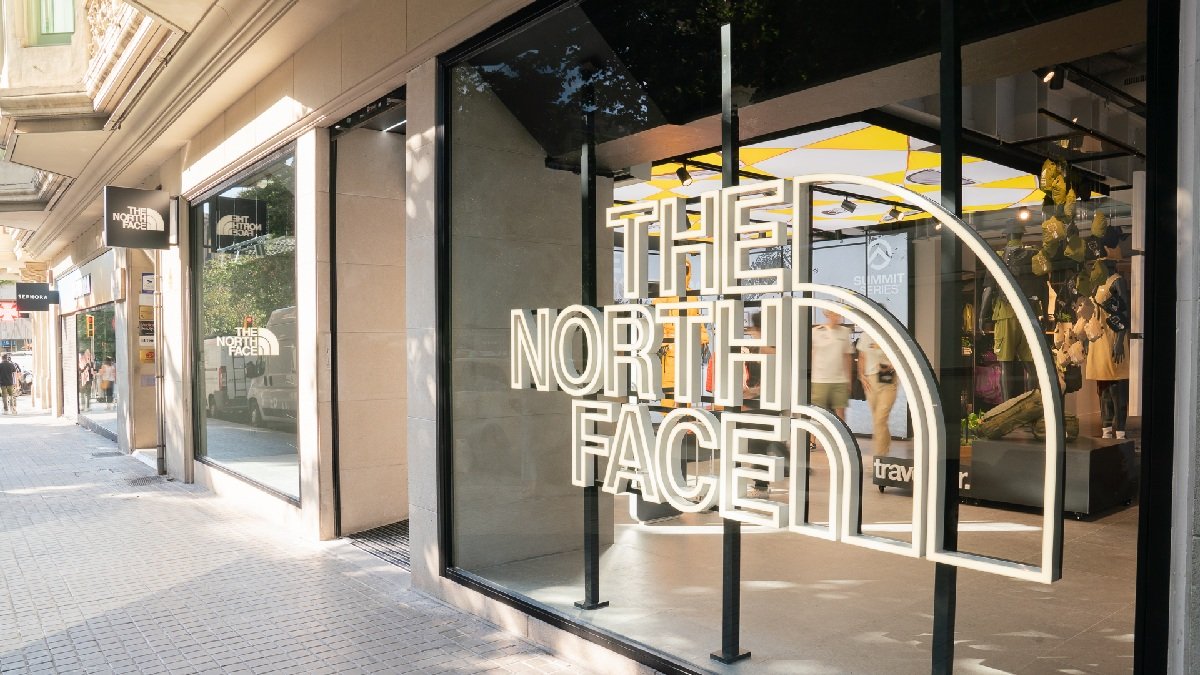


Turkey is losing steam as a textile production hub. The US fashion group VF Corporation, owner of American icons such as The North Face and Vans, and which has just closed the sale of Dickies, has moved 80% of its production from Turkey. The company has opted this year to look to other textile powers less affected by inflation.
As Mustafa Akçay, chairman of the board of directors of the Gelişim Tekstil textile group, told local media, orders from the U.S. giant to the company have gone from four million garments to some 400,000. The executive mentioned Bangladesh, Vietnam, Cambodia and Sri Lanka as new destinations for this volume of production.
VF Corporation’s decision to move orders to Southeast Asian countries is a direct response to the price rises being experienced by the sector in Turkey: “ The fall in exports is due to the fact that the exchange rate has not kept pace with inflation,“ explained the executive.
VF Corporation has gone from ordering the production of up to four million garments to just 400,000 garments
Turkey began to carve out a niche as a textile hub especially after the pandemic, in the heat of the trade barriers that arose with the health crisis, and which, while making it difficult to move goods from China or Vietnam to Europe and the United States, put countries considered close to home on the map. Rising inflation, however, together with the lack of investment, have taken their toll on the competitiveness of the Turkish textile sector.
Another reason mentioned by the executive is the increase in labor costs, with the minimum wage having risen by more than 300% in three years, according to the executive. “Our costs are much higher than those of the rest of the world market, and that is leading us to lose business opportunities,“ lamented Akçai in an interview with the media Dünya Gazetesi.
According to the latest annual data, at the end of 2024, the Istanbul Textile and Raw Materials Exporters Association (Ithib) put Turkish textile exports at $11 billion, well below the $19.2 billion reached in 2023. According to Akçay, Gelişim Tekstil’s costs increased by as much as 50% in 2024. With December data on the table, inflation in Turkey closed the year slowing its rise, but still up 44.4% year-on-year.
Related content

VF Corporation Surpasses Expectations: Stabilizes Sales and Narrows Losses in Q1
30 jul 2025 - 15:08


VF Corp’s Q3 Results Shine with 28% Boost as Business Reorganization Unfolds
28 ene 2026 - 08:23

VF Corporation Faces Downturn in UK: Workforce Reduction and Sales Decline
16 dic 2025 - 15:47
Latest news

Birkenstock projects double-digit growth through 2028 with renewed strategy
29 ene 2026 - 11:16

Levi Strauss Boosts Profitability: Dodges Tariff Impact and Triples Earnings
29 ene 2026 - 11:15

H&M keeps its finger on the pulse and earns 4.6% more at fiscal year-end
29 ene 2026 - 11:10

Gordon Brothers Takes Over LK Bennett, Sets Stage for Global Expansion
28 ene 2026 - 12:33