

Richemont Thrives Amid Luxury Slowdown: Reports Fourfold Profit Increase
In the face of global turmoil, the world’s second-largest luxury conglomerate sees profits soar, outperforming industry giants like LVMH and Kering. Richemont attributes its success to a “moderate” pricing strategy.
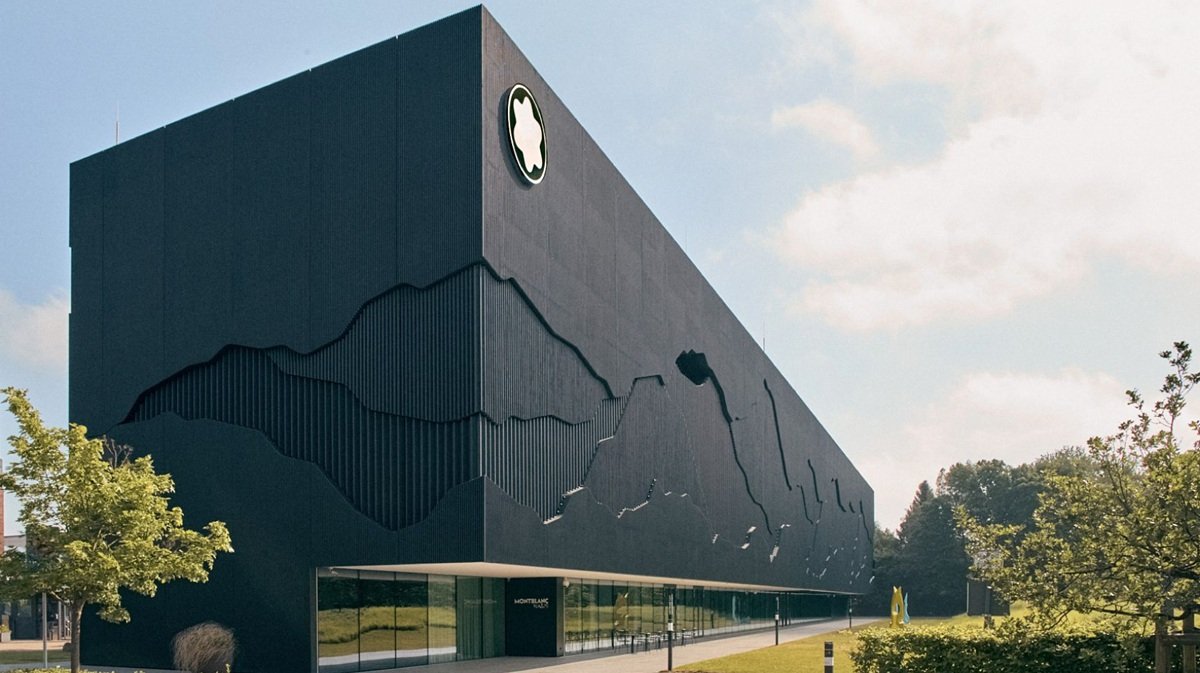


Richemont boosts its profit in the first half of the year. The world’s second largest company in the luxury sector has almost quadrupled its profits compared to the first six months of 2024. Specifically, the Swiss company has gone from a profit of €457 million to €1.81 billion.
As reported by the company in its results sheet this Friday, its sales have also been on the rise, although not as strongly as profit. They increased by 5.39% in the first six months of the year, to €10.61 billion, compared to the same period last year, when it recorded €10 billion.
While the luxury sector is suffering a persistent crisis, with a drop in sales and turnover, Richemont has positioned itself significantly above its main competitors in the sector, both LVMH and Kering. LVMH closed the first nine months of the year with a turnover of €58.09 billion, 4% less than in the same period of the previous year and an organic decline of 2%. For its part, Kering also failed to raise its head, with a drop in turnover of up to 10% in the third quarter, to €3.41 billion.
Richemont is well ahead of LVMH and Kering, both of which recorded declines in sales according to the latest published figures
Richemont has assured that “most regions have shown a solid performance”, with double-digit sales growth in Europe, the Americas and the Middle East. In the second quarter in particular, China, Hong Kong and Macau, along with Japan, returned to growth. The group’s direct sales accounted for 76% of turnover. Its operating income came to €50 million, with a margin of 3.2%.
Buccellati, Cartier, Van Cleef & Arpels and Vhernier increased sales by 9% in the first six months of the year. Richemont acknowledges that it has chosen to raise prices “moderately” to mitigate the impact of exchange rates, rising raw material prices and tariffs, “to a lesser extent”.
Watchmaking, however, continues to decline. Sales of this product fell by 6% in the first half of the year, with sales of €1.6 billion. In the second quarter, the decline moderated to 2%. The group claims that this is a direct result of the US tariffs applied to Switzerland since the summer.
Richemont already closed its last fiscal year, 2024, dodging the crisis in its segment. It grew by 4% and increased its net income by 17% after completing the sale of Ynap. Its sales then stood at €21.39 billion, up 3.79% from €20.6 billion the previous year.
Related content

Richemont Strengthens Dunhill with Former Cartier Exec as CEO
30 sep 2025 - 06:45
Richemont’s First-Quarter Resilience: Jewelry Shines Amid Watch Challenges
16 jul 2025 - 07:13

Richemont Reshuffles Watch Portfolio as Baume & Mercier Transitions to Damiani
22 ene 2026 - 17:33

Jewelry shields Richemont
19 ene 2026 - 04:09
Latest news

Apparel and Footwear Declines Hit China’s Fashion Export Market by 2025
23 ene 2026 - 08:30

Adidas, Nike, and Under Armour Drive El Corte Inglés’ Department Store Makeover
23 ene 2026 - 08:07


Bestseller Bolsters Only Brand with Milestone 300th German Store Opening
23 ene 2026 - 07:22


