Puma Reports €246.6 Million Loss in First Half of FY2025 Amid Challenging Market Conditions
The German sportswear giant ends the period in the red with a loss of €246.6 million, as previously forecasted. Sales slipped 1% to €4.01 billion during this time.
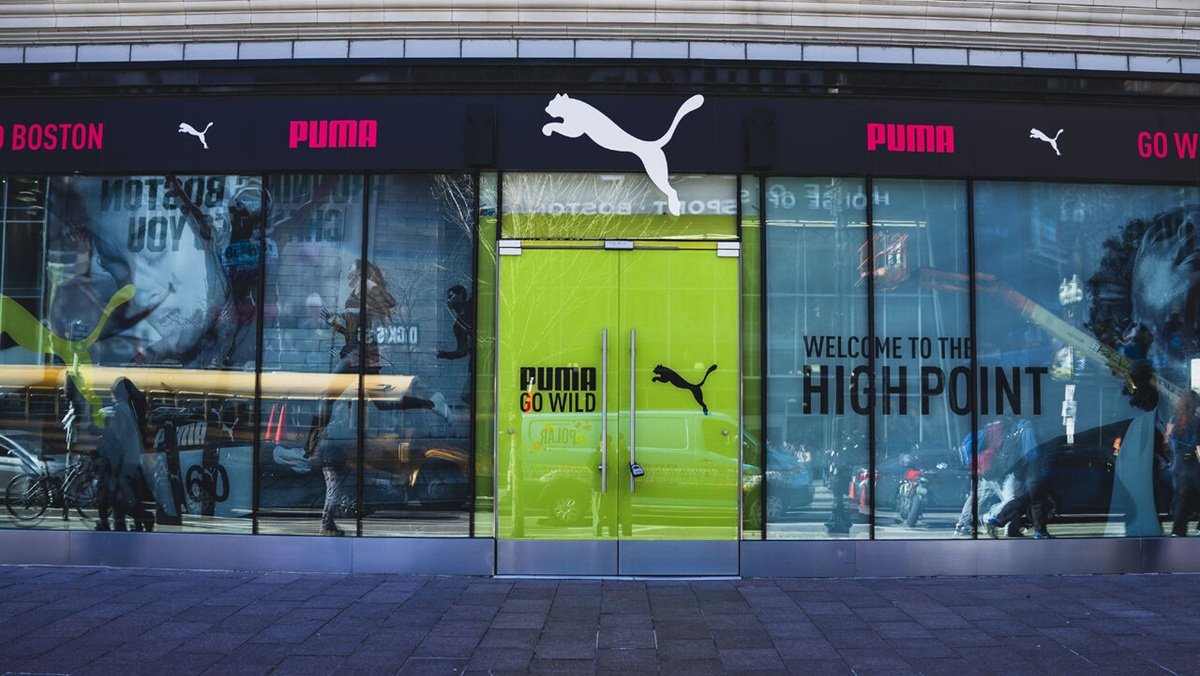


Puma lives up to expectations. The German company, which a week ago announced interim losses at the end of the second quarter, today announces full results for the first six months of the current financial year. The company ended this period in the red by €246.6 million, compared to a positive €129.3 million in the first half of 2024.
The company’s gross margin was hit hard in the first six months, down sixty basis points to 46.5%. “Increased promotional activity, currency effects and positive inventory valuation effects in the previous year were a drag - the company has pointed out -; this was partially offset by benefits from sourcing and freight, as well as the positive effect of the distribution channel mix.“
With a 5.5% increase in operating expenses, adjusted earnings before taxes (ebit) came in at €62.5 million, compared to €276.2 million in the same period of 2024, “due to a lower gross profit margin and higher opex.“ Reported ebit was negative €40 million.
Puma’s gross margin fell sixty basis points in the first half of the year
The sports equipment group closed the first six months of FY2025 with a 1% drop in sales to €4.01 billion. The company was affected by exchange rates, with an impact of around €163 million in the period.
In Europe, the Middle East and Africa, the company’s sales fell by 1.2% to €1.66 billion, while in the Americas the drop was 1.6% to €1.53 billion, and in Asia Pacific it was 3.8% to €821 million.
By channel, Puma’s wholesale business declined by 4.9% in the first six months of the year, “due to the weak performance in the United States, China and Europe”. On the other hand, the direct-to-consumer business grew by 19.5% to €1.53 billion, although in Asia it recorded a decline of 3.8%.
Footwear sales in the first half rose by 3.7% to €2.24 billion, driven by running and basketball. Apparel sales, on the other hand, fell by 6.3% in the period, and accessories declined by 6.1%.
Amid the current geopolitical and macroeconomic volatility, Puma expects that both sector and business-specific challenges will continue to significantly impact results in 2025,“ the company said.key factors include weak brand momentum, changes in channel mix and quality, the impact of U.S. tariffs, and high inventory levels.“
Thus, going forward, Puma said it “no longer expects to achieve the currency-adjusted sales growth previously forecast for the remainder of 2025.“ “The lower gross revenue performance seen in the second quarter is expected to persist through the remainder of 2025, which will result in higher inventory levels,“ it has warned.
“Despite ongoing mitigation measures, such as supply chain optimization, price adjustments and partner collaboration, U.S. tariffs are expected to have a mitigated negative impact in 2025 of around €80 million on gross profit,“ the company explained.
In response to these developments, Puma has revised its full-year forecast and now expects currency-adjusted sales to decline by a low double-digit percentage.
Related content

Puma Forecasts 2025 Losses Amid Sales Slump and Tariff Challenges
25 jul 2025 - 15:01

Puma Sets New Benchmark with Historic Manchester City Deal
17 jul 2025 - 07:00

Anta Buys 29% of Puma for $1.5 billion
27 ene 2026 - 09:09
Anta Makes Bold Move: Seeks to Acquire Pinault’s 29% Stake in Puma
9 ene 2026 - 08:46
Latest news

Swatch Sees 89% Profit Decline in 2025 Amid Tariff Woes and Sluggish Demand
30 ene 2026 - 04:26


Inditex’s Eduard Casabella on Oysho’s Sport Pivot and Growth Through Identity
29 ene 2026 - 18:40

McKinsey’s Gemma D’Auria on Luxury’s Pullback and Fashion’s Resilience in 2026
29 ene 2026 - 18:35