Kering Sets Sights on Asian Growth: Strategic Investment in China’s Borland
French luxury powerhouse takes a minority stake in Borland Jewelry through a €12 million funding round, riding the wave of gold’s rising allure in Asia.
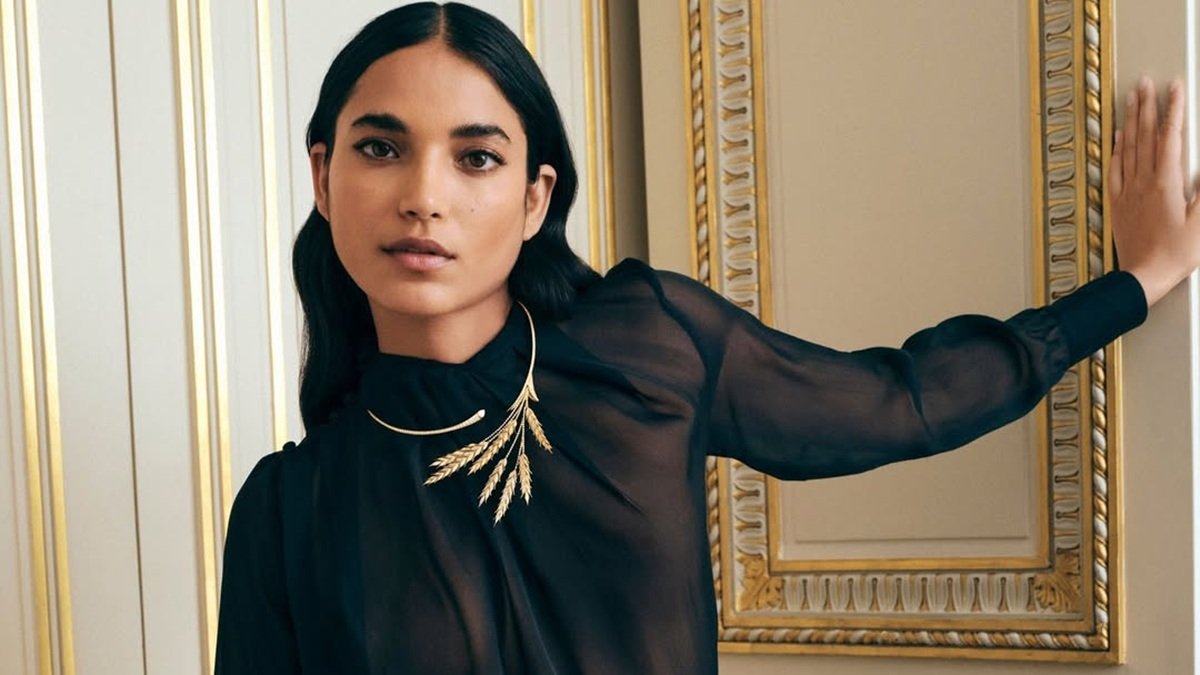

Kering Ventures, the investment arm of the Kering Group, has acquired a minority stake in the Chinese jewelry company Borland, through a financing round in which other companies such as the technology company Xiaomi have also participated. Borland has raised more than 100 million yuan ($14 million).
In recent years, gold has become the fastest growing jewelry category in China, with younger buyers purchasing the pieces to express their identity and individuality.
This paradigm shift, known as the Laopu effect, has transformed the luxury landscape in the Asian market, which has positioned China as the world’s largest consumer of physical gold. The Laopu brand, founded in 2009 and dedicated to the manufacture of 24-karat gold, recorded revenues in excess of 12 billion yuan ($1.69 billion) in the first quarter of 2025. The company, which has been listed on the Hong Kong Stock Exchange since mid-2024, posted a 23-fold increase in its original share value during the first six months of the current fiscal year.
Kering is betting on the Chinese gold market following the rise of the Laopu effect, driven by younger consumers
Borland currently has three stores in China, including two locations in luxury shopping malls in Hangzhou and Shenzhen, and has a price range of up to $15,000 for a bracelet.
Founded in 1988, the company specializes in artisanal Chinese goldsmithing techniques, such as filigree and antique-style craftsmanship, a category that has become popular with young Chinese consumers. Borland is managed by the Hangzhou Baolan Gold Research Institute, whose founder owns a majority stake.
The French luxury group’s investment follows the launch of Kering Craft, in a clear bid to find levers for future growth in the Asian market. It is a creative residence located in Shanghai for crafts, fashion and technology that aims to “empower local Chinese designers to project themselves globally,“ as the brand explained in early November.
The initiative, in collaboration with Shanghai Fashion Week, comes in the midst of a trade war between the United States and China. Kering claims that this project takes a further step in its “collaboration with the Chinese fashion and creative industries.“
In the midst of a slowdown in the luxury industry and with Luca De Meo as the new CEO, Kering is facing an optimization and transformation plan to reconnect with growth. The French luxury group is preparing a new investment vehicle to identify and finance emerging brands with global potential, called House of Dreams.
Kering closed the third quarter with a turnover of €3.415 billion, down 5% on a like-for-like basis. The decline marked a clear improvement over the previous quarter, when sales fell by 15%.
Related content

Luca De Meo Infuses Gucci’s Financial Team with Renault Expertise in Kering Move
28 nov 2025 - 07:14

Kering Under de Meo: Reducing Gucci Reliance for a Renewed Growth Trajectory
19 nov 2025 - 07:38
Latest news
Gordon Brothers Takes Over LK Bennett, Sets Stage for Global Expansion
28 ene 2026 - 12:33
Galeries Lafayette Finalizes Sale of BHV Building Amid Shein Controversy
28 ene 2026 - 12:30
VF Corp’s Q3 Results Shine with 28% Boost as Business Reorganization Unfolds
28 ene 2026 - 08:23
Claire’s Faces Another Setback in the UK with Second Bankruptcy in Six Months
28 ene 2026 - 08:21