Kering’s Slide Continues: Sales Dip 10% Amid Transitional Quarter
Despite a revenue boost to €3.415 billion this quarter, the French luxury giant, helmed by Luca De Meo, continues to grapple with challenges following a 15% drop in the previous quarter.
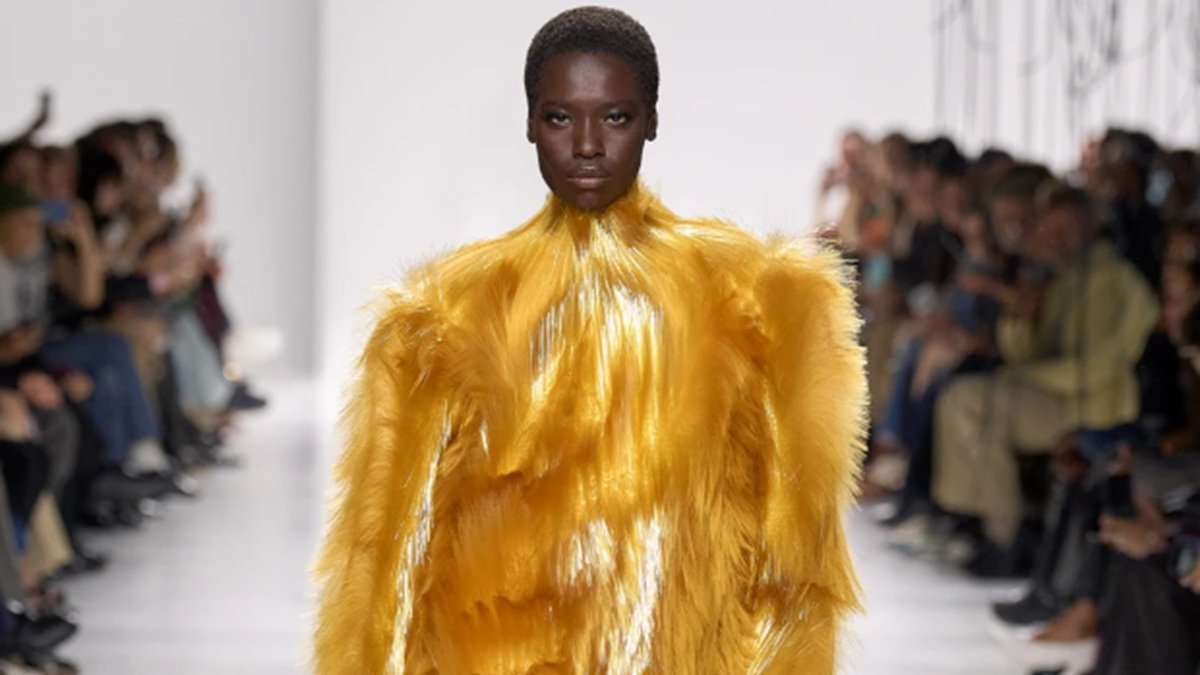

Kering is still not getting out of its particular crisis, a complex equation that combines the global slowdown of the luxury industry and the cooling of what were once the most successful firms on the scene. Long gone is the double-digit growth with which Gucci established itself as a star brand. Today, Kering is suffering a further significant drop in turnover, up to 10% in the third quarter, which will force the French conglomerate to bow to the optimization and cutback decisions of its new CEO, Luca de Meo. The change of model is already underway.
Although the company is showing signs of stabilization, trying to reassure the markets with the latest strategic decisions of François-Henri Pinault’s successor, it has not managed to halt its decline. The French group closed the third quarter with a turnover of €3.41 billion, down 5% on a like-for-like basis. The decline marks a clear improvement compared to the previous quarter, when sales fell by 15%.
According to the statement sent by the company on Wednesday, the performance reflects “improved dynamics in all regions,“ especially in North America and Western Europe, as well as the positive impact of new collections. “Our determination to restore our brands to the place they deserve is total,“ said Luca de Meo, the group’s chief executive, in his first full quarter at the helm of the group.
Gucci, which continues to reposition itself under the leadership of Francesca Bellettini, closed the quarter with sales of €1.343 billion, down 18%. The Italian brand slightly improved its trend compared to the previous quarter thanks to increased traction in North America and Western Europe, and the performance of the new leather goods line.
Kering’s sales were weighed down by an 18% contraction in Gucci
La Famiglia collection, under the creative direction of Demna and presented at the end of September, marked the firm’s return to the forefront of the fashion conversation, although the wholesale business still contracted by 25%. The brand continues to be the main culprit behind the group’s weakness as it tries to rebuild its position against rivals such as LVMH and Hermès.
Yves Saint Laurent also closed the quarter down, with sales of €620 million, down 7%. Performance improved compared to the second quarter, with a return to growth in North America and stability in Western Europe. New collections drove double-digit growth in ready-to-wear and footwear.
Bottega Veneta defended its role as the most upbeat performing brand in recent times. The company maintained its positive tone with sales of 393 million euros, practically stable in reported sales, suffering a 1% decline, and with a 3% increase in like-for-like sales.
The so-called other brands (a segment that includes Balenciaga, Alexander McQueen, Brioni and the jewelry brands) contributed €652 million, down 5% in reported terms, but up 1% like-for-like. Balenciaga improved in all categories, while the British McQueen reduced its decline and the jewelry division, which includes Boucheron, Pomellato and Qeelin, grew in double digits.
Jewelry and eyewear are now the group’s growth drivers
The eyewear business, Kering Eyewear, remained one of the most dynamic segments, with sales up 2% to €448 million. The licensing agreement with Valentino, announced in September, will strengthen the division from the spring-summer 2026 season.
Between July and September, Kering also formalized the strategic alliance with L’Oréal, which includes the sale of the Creed brand for €4 billion. The move is part of the group’s reorganization under the new leadership of Luca de Meo, following the split of the chairmanship and general management functions between François-Henri Pinault and the new CEO.
In the first nine months of 2025, Kering posted sales of €11,002 million, down 14%. Despite the sequential improvement, the group continues to lag behind the market.
Kering is still not getting out of its particular crisis, a complex equation that combines the global slowdown of the luxury industry and the cooling of what were once the most successful firms on the scene. Long gone is the double-digit growth with which Gucci established itself as a star brand. Today, Kering is suffering a further significant drop in turnover, up to 10% in the third quarter, which will force the French conglomerate to bow to the optimization and cutback decisions of its new CEO, Luca De Meo. The change of model is already underway.
Although the company is showing signs of stabilization, trying to reassure the markets with the latest strategic decisions of François-Henri Pinault’s successor, it has not managed to halt its decline. The French group closed the third quarter with a turnover of €3.41 billion, down 5% on a like-for-like basis. The decline marks a clear improvement compared to the previous quarter, when sales fell by 15%.
According to the statement sent by the company on Wednesday, the performance reflects “improved dynamics in all regions,“ especially in North America and Western Europe, as well as the positive impact of new collections. “Our determination to restore our brands to the place they deserve is total,“ said Luca de Meo, the group’s chief executive, in his first full quarter at the helm of the group.
Gucci, which continues to reposition itself under the leadership of Francesca Bellettini, closed the quarter with sales of €1.343 billion, down 18%. The Italian brand slightly improved its trend compared to the previous quarter thanks to increased traction in North America and Western Europe, and the performance of the new leather goods line.
Kering’s sales were weighed down by an 18% contraction in Gucci
La Famiglia collection, under the creative direction of Demna and presented at the end of September, marked the firm’s return to the forefront of the fashion conversation, although the wholesale business still contracted by 25%. The brand continues to be the main culprit behind the group’s weakness as it tries to rebuild its position against rivals such as LVMH and Hermès.
Yves Saint Laurent also closed the quarter down, with sales of €620 million, down 7%. Performance improved compared to the second quarter, with a return to growth in North America and stability in Western Europe. New collections drove double-digit growth in ready-to-wear and footwear.
Bottega Veneta defended its role as the most upbeat performing brand in recent times. The company maintained its positive tone with sales of 393 million euros, practically stable in reported sales, suffering a 1% decline, and with a 3% increase in like-for-like sales.
The so-called other brands (a segment that includes Balenciaga, Alexander McQueen, Brioni and the jewelry brands) contributed €652 million, down 5% in reported terms, but up 1% like-for-like. Balenciaga improved in all categories, while the British McQueen reduced its decline and the jewelry division, which includes Boucheron, Pomellato and Qeelin, grew in double digits.
Jewelry and eyewear are now the group’s growth drivers
The eyewear business, Kering Eyewear, remained one of the most dynamic segments, with sales up 2% to €448 million. The licensing agreement with Valentino, announced in September, will strengthen the division from the spring-summer 2026 season.
Between July and September, Kering also formalized the strategic alliance with L’Oréal, which includes the sale of the Creed brand for €4 billion. The move is part of the group’s reorganization under the new leadership of Luca de Meo, following the split of the chairmanship and general management functions between François-Henri Pinault and the new CEO.
In the first nine months of 2025, Kering posted sales of €11,002 million, down 14%. Despite the sequential improvement, the group continues to lag behind the market.
Related content
LVMH Mirrors Kering’s Strategy, Contemplates Divestment from Fenty Beauty
22 oct 2025 - 07:02

Kering Employees Strike in Italy, Demand More Remote Work Days
21 oct 2025 - 07:33
L’Oréal Acquires Kering’s Beauty Division in €4 Billion
20 oct 2025 - 07:33

Latest news
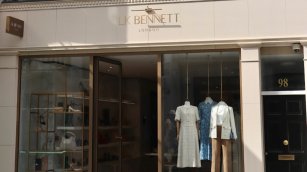
Gordon Brothers Takes Over LK Bennett, Sets Stage for Global Expansion
28 ene 2026 - 12:33
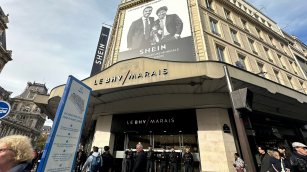
Galeries Lafayette Finalizes Sale of BHV Building Amid Shein Controversy
28 ene 2026 - 12:30

VF Corp’s Q3 Results Shine with 28% Boost as Business Reorganization Unfolds
28 ene 2026 - 08:23
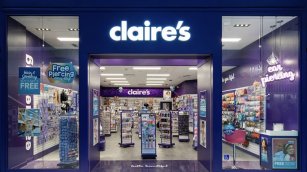
Claire’s Faces Another Setback in the UK with Second Bankruptcy in Six Months
28 ene 2026 - 08:21