LVMH Mirrors Kering’s Strategy, Contemplates Divestment from Fenty Beauty
The French luxury giant is reportedly in talks to sell off half of its stake in the company co-owned with singer Rihanna, as Kering finalizes the sale of its beauty division.
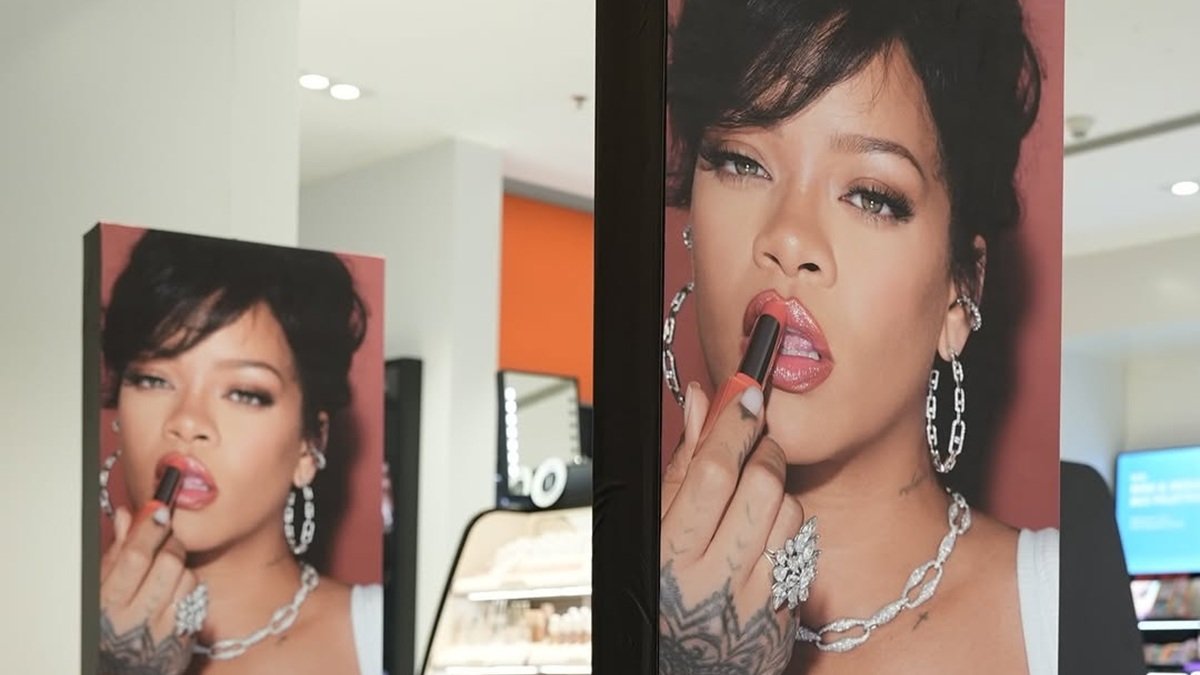

LVMH is exploring options to resist the crisis that is hitting the luxury sector. According to Reuters on Wednesday, the world’s largest luxury group is considering the possibility of selling its 50% stake in Fenty Beauty, the cosmetics brand it co-owns with singer Rihana. Two days ago, Kering completed the sale to L’Oréal of its beauty division to reduce its debt.
These two divestments come at a complicated time for the major international luxury groups, especially LVMH and Kering, and at a time when investment firms anticipate a downturn in the global cosmetics business. In this context, according to the news agency, the conglomerate is being advised by the investment bank Evercore to carry out the sale. There is still no official confirmation from either the businesswoman or the French conglomerate.
The Fenty Beauty brand was born in 2017 under the umbrella of Kendo, the accelerator of cosmetics projects of the LVMH group. The firm sought to position itself as a more inclusive brand by offering makeup for all skin tones. In 2020 it generated up to $550 million in revenue, with a valuation of $2.8 billion.
LVMH reduced its turnover by 4% in the first nine months of 2025
In the summer, Fenty Beauty teamed up with Reliance retail, one of India’s largest fashion retailers, to enter the country with Sephora and Tira Beauty, both online and physical, with the opening of fifty stores in 16 cities.
For the moment, LVMH is resisting the global crisis, although its figures are on the decline. According to its latest results, for the first nine months of 2025, its turnover was down 4% compared to the same period last year. Sales amounted to 58.09 billion euros, boosted by a better third quarter.
In May, the giant began to take the scissors out in the face of its declining business. It began by adjusting one of the divisions that was reporting the worst results, that of wines and spirits. According to sources in the know, LVMH cut 10% of its workforce at Moët Hennesy.
The same month, LVMH said it had room to raise the prices of its high-end products without compromising demand, by 2% to 3% a year. The objective was the same: to offset the impact of tariffs and the macroeconomic context. However, the group also recognized that, in categories such as beauty or cognac, the capacity to raise prices does not exist.
Related content
Fenty Beauty Makes a Grand Entrance in India with Sephora and Tira Beauty
4 ago 2025 - 15:47
LVMH Eases Decline, Sales Reach €58.09 Billion Through September
14 oct 2025 - 16:24
LVMH Shares Plunge, Pull Luxury Sector Down Following Disappointing Results
28 ene 2026 - 08:04
Latest news
Gordon Brothers Takes Over LK Bennett, Sets Stage for Global Expansion
28 ene 2026 - 12:33
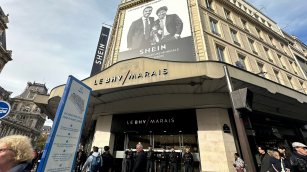
Galeries Lafayette Finalizes Sale of BHV Building Amid Shein Controversy
28 ene 2026 - 12:30
VF Corp’s Q3 Results Shine with 28% Boost as Business Reorganization Unfolds
28 ene 2026 - 08:23
Claire’s Faces Another Setback in the UK with Second Bankruptcy in Six Months
28 ene 2026 - 08:21