Gap and Target Among Major Retailers Partnering With Syre on Recycled Textile Supply
The U.S. fashion giant will introduce up to 10,000 metric tons per year of the recycled polyester produced by the next gen company, which it will use in the collections of its entire portfolio of brands.
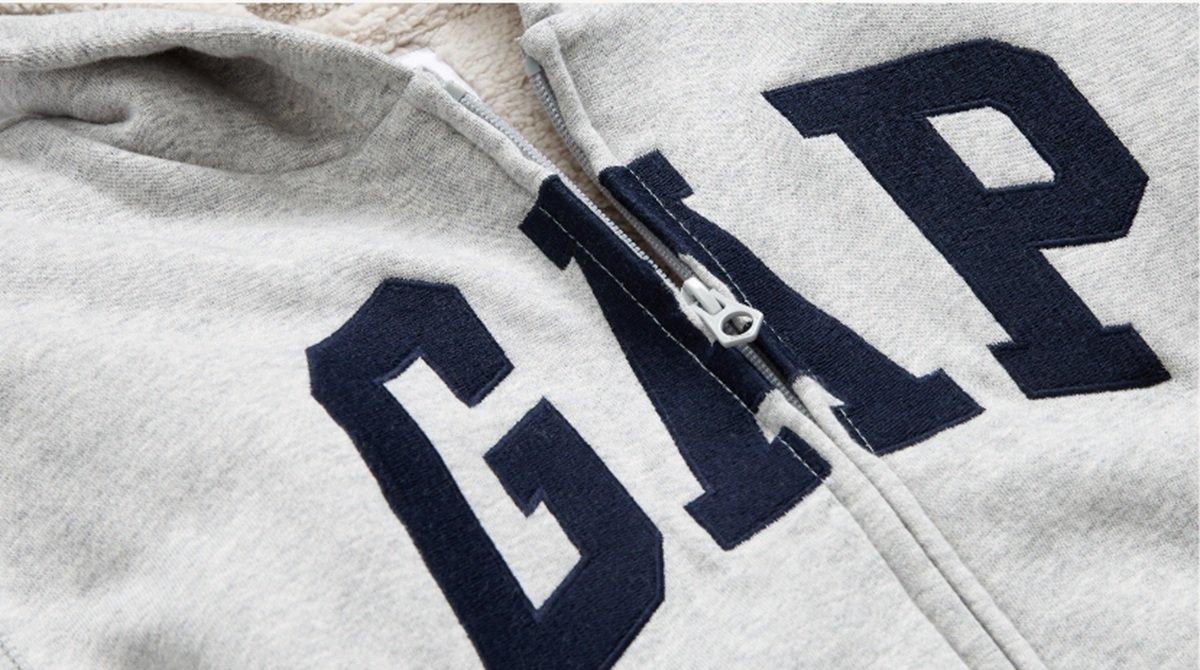

U.S. push for textile recycling. Several giants, including Gap, have joined forces to sign a purchase commitment with Syre, the next-generation materials company specializing in recycled polyester. The agreement is aimed at boosting the Swedish company's first plant, as well as reducing the companies' environmental impact.
Specifically, Syre has closed purchase commitments with Gap, Houdini Sportswear and Target, which will introduce recycled polyester produced by Syre in their collections. The U.S. company, on the one hand, has signed up to use up to 10,000 metric tons of this fiber per year, which it will introduce in the collections of the Old Navy, Gap, Banana Republic and Athleta brands.
Target, on the other hand, which also has a textile offer within its stores, has committed to introduce recycled fiber in the garments of its own brands, although without determining the quantity. Finally, Houdini Sportswear, a Swedish company specializing in outdoor wear, plans to replace half of the polyester it uses annually with Syre's recycled fiber.
Gap or Target will introduce Syre's recycled polyester in their collections
"As we embark on scaling our business, we are confident that these collaborations will reinforce our commercial success, as well as help us redefine the industry and drive the shift to true circularity," celebrated Dennis Nobelius, CEO of the company.
These agreements come at a critical time for sustainability in fashion. In recent months, first in the United States, with the arrival of Donald Trump to the presidency, and now in the European Union, sustainable obligations towards companies have been gradually lowered.
Despite this apparent setback, companies such as Syre have continued to make progress in accelerating their business. The Swedish company, which was founded last year, has already announced the start-up of its first production plant in 2026, which will be located in the United States, in North Carolina. In the long term, the next gen company is also working to open a macro plant in Vietnam.
Related content

Gap Expands Beyond Fashion with Paramount’s Leadership in Entertainment
15 ene 2026 - 17:06

Denim Market Growth 42% by 2030 as Cotton Costs Climb
12 nov 2025 - 05:00

Gap Makes a Grand Reentry to the UK Market with a London Flagship Launch
7 nov 2025 - 07:26
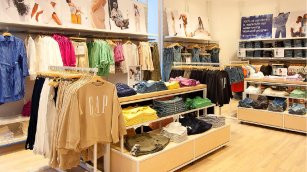
Gap Makes a Bold Comeback in the UK Amid European Rebranding Efforts
21 oct 2025 - 07:37
Latest news

Birkenstock projects double-digit growth through 2028 with renewed strategy
29 ene 2026 - 11:16

Levi Strauss Boosts Profitability: Dodges Tariff Impact and Triples Earnings
29 ene 2026 - 11:15

H&M keeps its finger on the pulse and earns 4.6% more at fiscal year-end
29 ene 2026 - 11:10

Gordon Brothers Takes Over LK Bennett, Sets Stage for Global Expansion
28 ene 2026 - 12:33