

Jacquemus Navigates Between Nike Collaborations and It Bags to Reconnect with Luxury Audiences
Following L’Oréal’s stake acquisition and buzz around a potential Chanel candidacy, Jacquemus enters a demanding phase of maturation. The brand is elevating its price and positioning, yet it strives to align with its target audience.

When Anna Wintour asked a then emerging designer Simon Porte Jacquemus several years ago which major maison he would like to design for, he replied that he was already at the helm of one. “My house is Jacquemus,“ he summed up emphatically and with a certain insolence learned on the streets of Marseille. The phrase, which at the time demonstrated a gesture of boldness in defiance of the strict codes of the Parisian industry, ended up becoming the manifesto that allows us to understand where the brand is today.
After a decade of continuous growth backed by success on Instagram, strategic agreements and an aesthetic escalation that has taken it from micro-bags to monumental runway shows in such exotic spaces as the lavender fields of Valensole, Jacquemus is now moving into a more complex space. He is no longer a rising star, but an established talent. The ambition is greater, but so is the need to continue to surprise, staying true to his DNA, without repeating formulas or breaking the connection with the community that made him a global phenomenon.
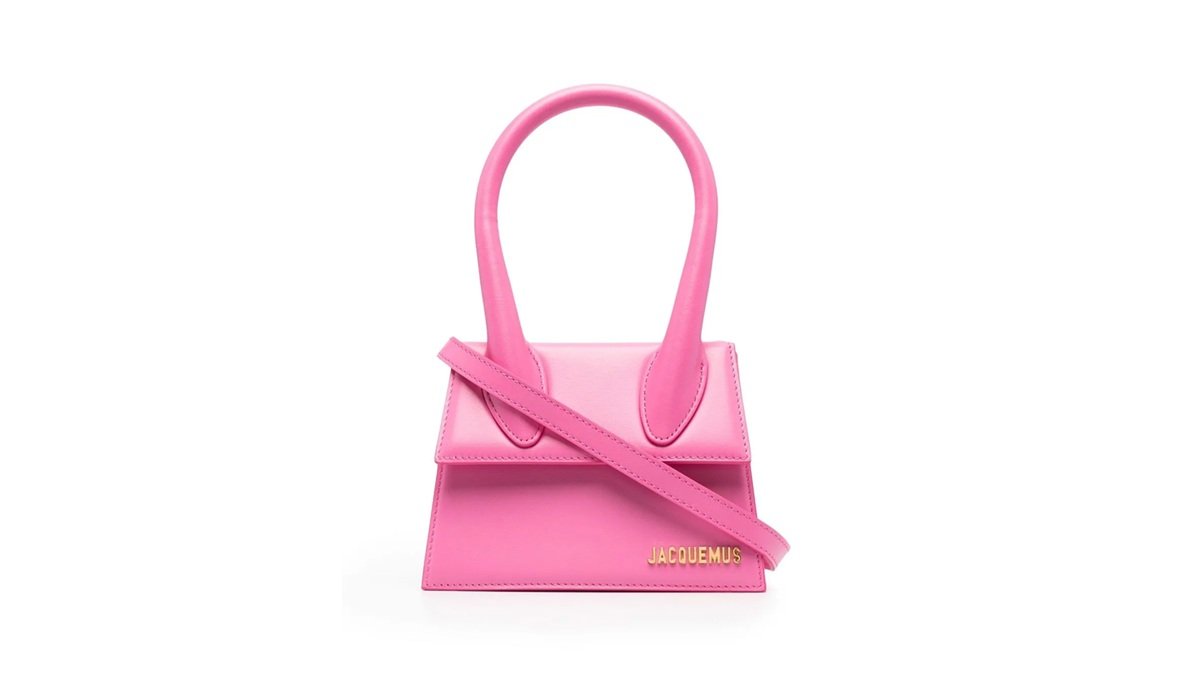
It is at this crossroads that Le Valérie appears, the new bag that has just arrived in stores and is called to sustain the identity of this stage. After the rise of icons such as the tiny Chiquito or the Bambino family, the company needed a new emblem to match a maison that already exceeds 250 million euros and is becoming more professional through new structures. Le Valérie was presented as part of the Le Paysan collection, in a fashion show that paid tribute to its humble origins at the Orangerie in Versailles. With rigid lines and clear inspiration from the 1930s, an heirloom ring clasp and a discreet logo, the bag is an exercise in aesthetic and emotional synthesis. Its name, dedicated to the designer’s late mother (from whom Jacquemus herself inherited the name) places the product in an intimate territory, far from the easy wink and close to the tone that the brand wanted to recover. The product is more serious, more expensive and more mature, facing the challenge of being neither as fun nor as innovative as the previous initiatives of the creative of southern DNA.
The campaign starring Charlotte Le Bon has reinforced that tone. The White Lotus actress is filmed in everyday, almost improvised situations that contrast with the solemnity that dominates much of the luxury communication. Shot from the height of a child’s gaze (perhaps Jacquemus himself admiring his mother), Le Bon tries to convince buyers with small gestures of everyday awkwardness and naturalness that go well with the bag. The brand thus recovers the emotional language that characterized it since its first collections, when the story of Provence, family memory and a world of humble objects were a constant in the designs.
Jacquemus, with L’Oréal in its capital, has an annual turnover of around €250 million
The launch was supported by an installation on Avenue Montaigne that simulated a traditional marketplace. The device will travel to London, Dubai, New York and Los Angeles, where the brand concentrates its greatest commercial potential and has recently bet on its retail landing. The company is once again focusing on the product and wants the bag to be part of an aesthetic and narrative ecosystem that allows it to generate engagement through affection, in the purest Jacquemus style.
The context has also changed. The Les Sculptures collection, presented in a fashion show with an intellectual air at the Fondation Maeght, and Le Paysan, at Versailles, reflected a shift towards a language closer to couture by the designer who abandoned his fashion studies at Esmod. More controlled silhouettes, nobler materials and a more restrained visual tone marked an obvious transition. Part of the critics celebrated it, while others pointed to a designer “out of his place” mainstream and with ambitions only typical of great ancestral maisons, even accusing the designer of an excess of inspiration in silhouettes of prestigious firms such as Alaïa.
Thus, the rise to adulthood has changed the profile of Jacquemus’ typical customer, but the brand is not Hermès and neither is Dior. The creator himself has recognized that the consumer who bought a raffia hat or a microbag in the early years is no longer the same. Today, the brand is aimed at an older woman, willing to assume higher prices and less connected to the spontaneity that fueled the first stage of growth. The challenge, however, is to combine profitability with a process of legitimization in a high premium segment to which it has not belonged until now.
In addition to this, there has been an executive reorganization. The arrival of Sarah Benady as CEO and the entry of L’Oréal in the capital after the discreet departure of Puig have accelerated a process of professionalization. The brand has reduced its presence in shopping malls, strengthened its focus on its own stores and made progress in image control. To sustain this movement, it needed an icon. And Le Valérie tries to be, to a large extent, the answer.
Nike is trying to build bridges between Jacquemus and street fashion
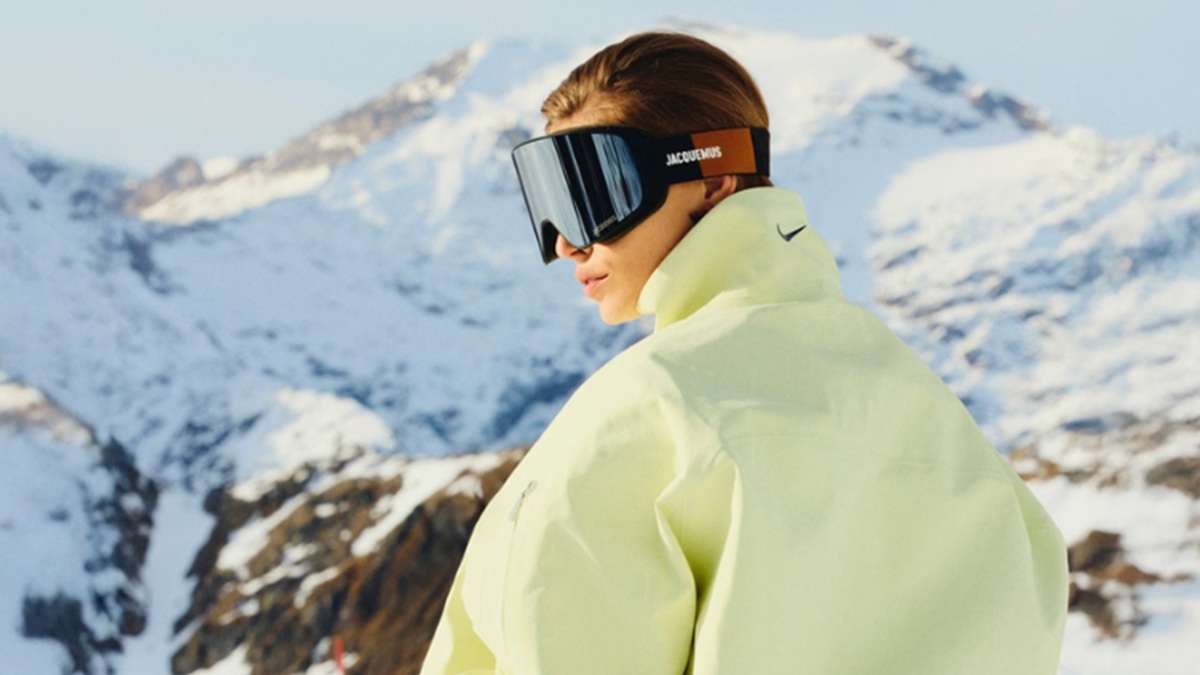
The collaboration with Nike extends that balance. Since 2022, Jacquemus and the American sports fashion giant have been building an ongoing dialogue. After the reinterpreted Humara and the J Force 1, the brand has launched its first ski collection this winter, composed of technical jackets, waterproof garments, a jumpsuit that maintains the brand’s fluid silhouette and skis developed with Lacroix. The ensemble mixes technical, pop culture and a retro feel that fits both Jacquemus’ aesthetic and Nike’s need to revive its appeal with collaborations, such as the recent launch with Kim Kardashian’s Skims, at a time when her performance is under scrutiny.
For Nike, the collaboration opens a door to a female audience with contemporary aesthetic sensibilities. For Jacquemus, it functions as a reminder of its origin and its natural connection to sport. Its runway shows in grandiose settings and rising prices place it in established luxury, but the partnership with Nike keeps the conversation alive with a generation that continues to consume fashion from the street and networks. The company needs both directions to sustain growth without sacrificing identity.
The designer always defended that his maison was already “big”. The question is whether it can continue to be so without losing the connection with those who drove it from the beginning. And in the face of Gen Z, the boom of Artificial Intelligence and the saturation of global content, Instagram likes no longer seem to be enough.
Related content

Pharrell, Anderson and Jacquemus lead the way at Paris fashion week
24 jun 2025 - 07:00
L’Oréal invests 383 million in AI technology center in India
21 ene 2026 - 16:01

L’Oreal Commits Up to $30 Million for New York Innovation Hub
12 ene 2026 - 08:33

L’Oréal Ups Investment in Galderma, Increasing Ownership to One-Fifth
8 dic 2025 - 10:06
Latest news
L’Oréal invests 383 million in AI technology center in India
21 ene 2026 - 16:01
CWF Fortifies Position in Kids’ Fashion Market with Catimini Purchase
21 ene 2026 - 13:38
Fimi Kicks Off 100th Edition Featuring More Than 700 Exhibitors
21 ene 2026 - 12:43
Who’s Next Retains European Allure Amidst French Market Shake-Up
21 ene 2026 - 12:00


