Berlin’s Fashion Landscape Shifts: Fashion Week Takes Center Stage Without Premium and Seek
With Premium shuttered, Panorama dimmed, and Seek concluding, Berlin steps into 2026 devoid of marquee fashion fairs, striving to strengthen its industry presence with a bolstered runway and fresh formats.
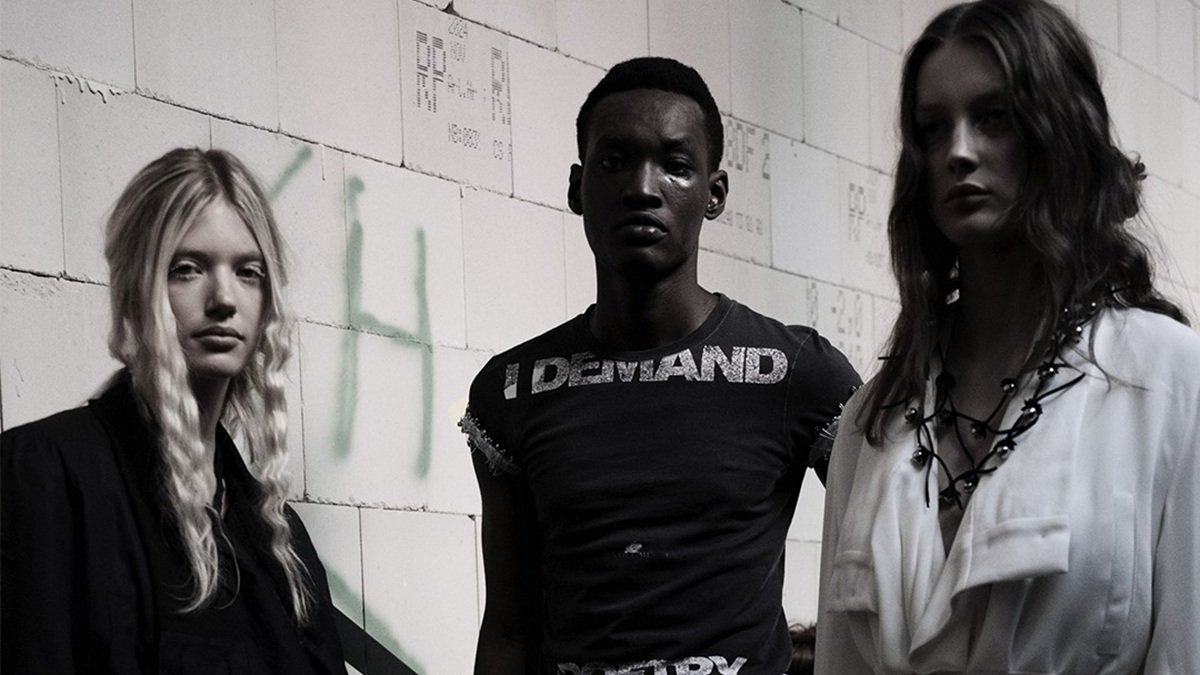


In today’s Berlin fashion industry, fashion show minutes outweigh trade fair square meters. After two decades in which Premium, Panorama and Seek set the pulse of the business, the German capital faces 2026 with virtually no major B2B events as in the past and, consequently, with Berlin Fashion Week having become the industry’s center of gravity.
Premium, created in 2003, was for years the city’s major trade show. After the pandemic hiatus and an attempt to relaunch the format in 2022 and 2023, the group announced in November 2023 that the edition scheduled for January of the following year would not be held and that the model was being terminated, while its sister fair Seek went ahead. Panorama, another mainstay of the calendar, ceased to be held after its last edition in January 2020. Seek endured a bit longer, becoming a long-running platform, but in 2025 the Berlin Senate no longer includes it among the supported events.
Premium’s closure coincided with a change of cycle in its management. In 2023, founder and CEO Anita Tillmann retired from day-to-day management after almost 21 years at the helm, remaining only as a strategic advisor. Her departure and the end of the showthen closed the stage in which Berlin aspired to compete with the major European trade fairs, following in the wake of the demise of the historic Bread&Butter fair.
Without Premium and Panorama and with Seek shut down, the city has lost its role as the main professional stage for northern European fashion. The business, previously concentrated in pavilions, is now dispersed in permanent showrooms, brand pop-ups, direct-to-consumer projects and a calendar of events spread throughout the city. The symbolic and institutional weight now rests solely with Berlin Fashion Week.
Berlin Fashion Week remains the backbone of German fashion
The Senate has redirected resources and narrative towards the catwalk. “Berlin Fashion Week has gained enormous visibility and relevance in recent years, and it is impressive to see how many creative talents establish themselves here, return season after season and grow visibly,“ emphasized Michael Biel, State Secretary for Economic Affairs. According to Biel, the combination of established voices, new perspectives and a growing international presence demonstrates Berlin’s potential as a fashion hotspot and serves as an argument for the local government to maintain investment in this network.
The next edition, autumn-winter 2026, will be held from January 30th to February 2nd in its now customary weekend format. The program will include 30 fashion shows, plus presentations and talks spread across iconic spaces in the city, with freedom, inclusion, diversity and creativity as its flagship.
The creative core will be the Berlin Contemporary program, which will bring together names such as Andrej Gronau, Balletshofer, GmbH, Haderlump Atelier Berlin, Kenneth Ize, Laura Gerte, Sia Arnika and William Fan. Around it, the calendar will incorporate consolidated brands such as Danny Reinke, Kilian Kerner or Marc Cain.
“Our formats are interlinked and allow us to support talents in and from Germany in multiple ways and to facilitate their direct dialogue with visitors,“ explained Christiane Arp, president of Fashion Council Germany, celebrating the return of numerous female-led brands. “What is claimed elsewhere is a reality at Berlin Fashion Week,“ she added.
Copenhagen, Madrid, Barcelona and Berlin are beginning to enter the pool as peripheral alternatives to the four big capitals, but the German city faces the challenge of sustaining its industry without the tractor effect of the fairs. For its part, the city is betting on a more regulated fashion week and more connected to local culture, which concentrates talent, buyers and activism, as a strategy to recover its business attractiveness.
Related content
Madrid Fashion Week Reschedules, March Dates Confirmed for Next Show
4 nov 2025 - 15:41
Munich Loses Ispo After 50 Years as the Sports Expo Heads to Amsterdam
28 oct 2025 - 16:01
Gordon Brothers Takes Over LK Bennett, Sets Stage for Global Expansion
28 ene 2026 - 12:33
Galeries Lafayette Finalizes Sale of BHV Building Amid Shein Controversy
28 ene 2026 - 12:30
Latest news
Gordon Brothers Takes Over LK Bennett, Sets Stage for Global Expansion
28 ene 2026 - 12:33
Galeries Lafayette Finalizes Sale of BHV Building Amid Shein Controversy
28 ene 2026 - 12:30
VF Corp’s Q3 Results Shine with 28% Boost as Business Reorganization Unfolds
28 ene 2026 - 08:23

Claire’s Faces Another Setback in the UK with Second Bankruptcy in Six Months
28 ene 2026 - 08:21