Tariffs to Add $1.2 Trillion Cost Burden on Companies by 2025
As consumers grow increasingly hesitant to splurge on non-essential items, businesses are endeavoring to shield buyers from rising costs. In response, some have decided to build up stock reserves.
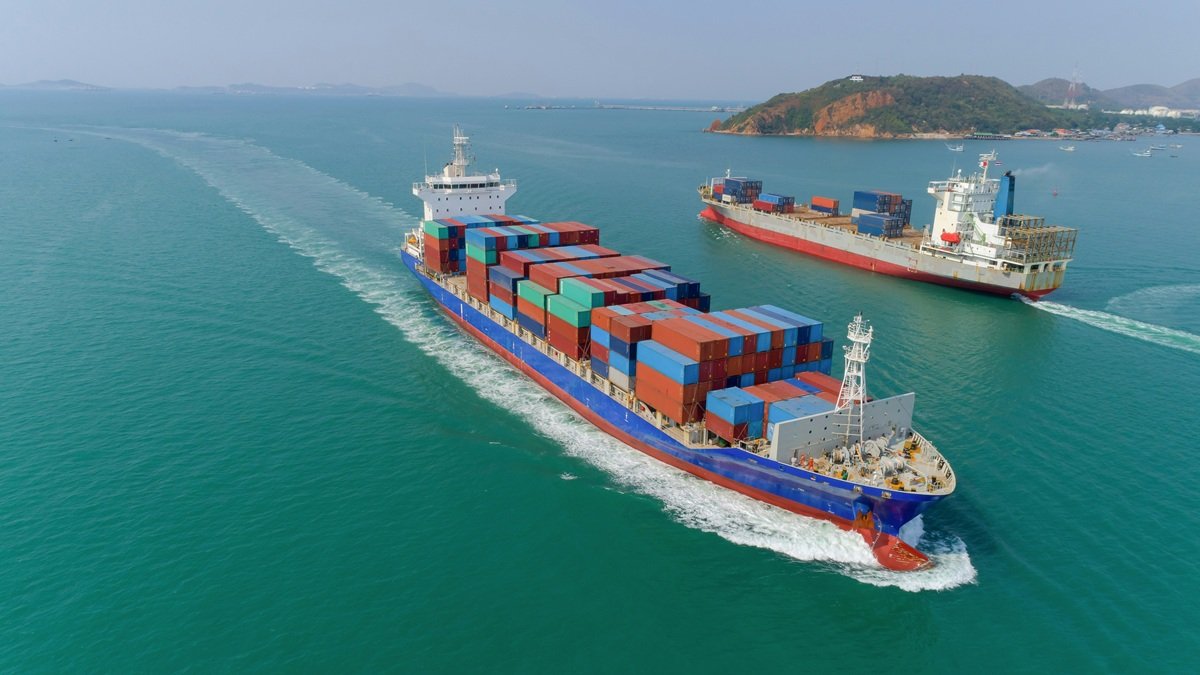


Companies continue to suffer the consequences of the tariff war, which will cost them $1,200 trillion in 2025 alone. This is detailed in the latest study by S&P Global Market Intelligence, which also states that a large part of this burden will fall on consumers.
Although tariffs fluctuate between countries, the study states that the impact will be global with an increase in costs of $907 billion, more than half of which will be passed on to consumers. This is approximately $592 billion, which will translate into higher prices for products.
On the other hand, the report warns that small companies are more vulnerable to the impact of tariffs and the additional costs they impose on the supply chain, as they tend to be less diversified. The report compiles data from around 30 U.S. fashion brands between August and October.
According to S&P Global, the global cost increase will amount to $907 billion
The data covers the second fiscal quarter, at which time companies pointed to a risk of losing profitability due to the implementation of tariffs. Companies such as American Eagle have reduced their estimates for the quarter, with an expected impact of $20 million in the third quarter.
According to the research house, most companies are trying to avoid across-the-board price hikes in the face of increasingly restrained consumers making non-essential purchases, such as fashion. In addition, according to the study, customers are opting for cheaper brands.
To offset rising costs, companies have been stockpiling inventory before the tariffs were implemented, using the data to sell it off. For example, Levi’s closed its last quarter with an 8% increase in inventory units over the previous year. Meanwhile, PVH, which owns Tommy Hilfiger and Calvin Klein, said its inventory at the end of the second quarter was up 13% over the same period last year.
Related content

OECD Predicts 2026 as Year of Full Tariff Impact Under Trump Policies
6 oct 2025 - 06:22

Fashion Titans Shift 20% of Production from China
2 oct 2025 - 05:00

Latest news
Birkenstock projects double-digit growth through 2028 with renewed strategy
29 ene 2026 - 11:16

Levi Strauss Boosts Profitability: Dodges Tariff Impact and Triples Earnings
29 ene 2026 - 11:15
H&M keeps its finger on the pulse and earns 4.6% more at fiscal year-end
29 ene 2026 - 11:10

Gordon Brothers Takes Over LK Bennett, Sets Stage for Global Expansion
28 ene 2026 - 12:33