Primark’s Emission Reduction Milestone: A 5.7% Drop in Carbon Footprint
The Irish fast-fashion powerhouse unveils its latest sustainability report, highlighting strides in emission reductions, recycled material usage, and garment recycling.
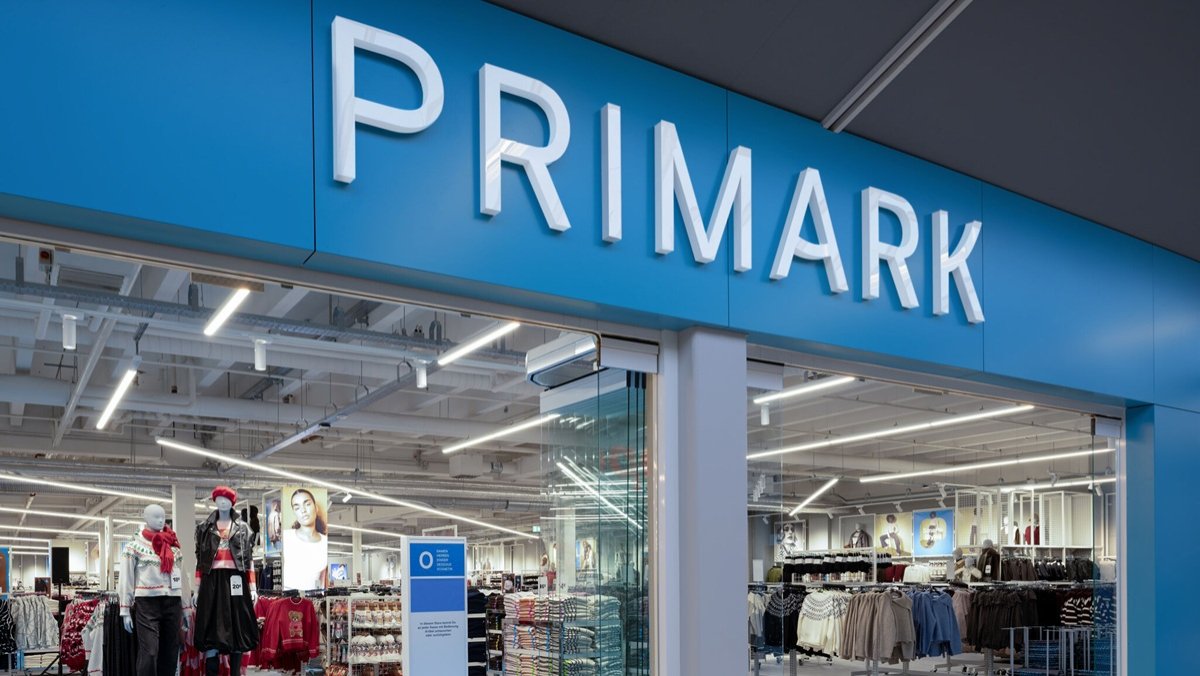

Primark reduces its impact on the value chain. The Irish low-cost fashion giant has reduced its total emissions by 5.7% over the last financial year, which ended at the beginning of September, compared to 2019. The company’s target is to halve the figure by 2030.
According to the latest sustainability report published by the company, Scope 1 and 2 emissions, those relating to the company’s direct operations, which account for a very small percentage of the total, were 71% lower at the end of the period than in 2019. Scope 3 emissions, on the other hand, relating to the value chain, have been reduced by 4% since 2019.
“We have shown that we don’t have to choose between sustainability and value for money,“ said Lynne Walker, director of Primark Cares, “our commitments to sustainability are the responsibility of everyone at Primark and we continue to use our scale to drive change, both inside and outside the company.
Primark has reduced indirect emissions by a further 3.5% compared to the previous year
In the report, the company also highlighted that in the last two years it has worked to find a way to scale up its efforts to reduce emissions, a learning process that it will start to apply from now on to accelerate this process. Compared to the previous year, Primark’s total emissions have been reduced by 3.9%, and a further 3.5% in scope 3 emissions.
With regard to the manufacture of its products, the company points out that 74% of the garments sold during the year contained more sustainable materials, compared to 66% the previous year. Of this total, 39% directly contain recycled fibers, seven points more than the previous year. In addition, the Irish low cost fashion giant has also highlighted that 5% of its products are designed based on circularity criteria “which facilitates their recycling at the end of their useful life”.
Despite the progress in reducing emissions, one of the main challenges facing the fashion sector, and recyclability, the amount of waste produced in its direct operations that Primark prevented from ending up in landfills has been reduced by 2%. “This figure has decreased due to our expansion in the United States, where waste management methods make recycling difficult,“ the giant explained.
Looking ahead, Primark stressed that it is in the process of reviewing its sustainability strategy “to adapt it to evolving regulations and customer expectations.“ “We know we have a big responsibility as an international retailer and that there is always room for improvement,“ Walker explained, adding that the company continues to learn, “as we gather information and data, and drive collaboration across the industry.“
Related content

Primark Strengthens Supply Chain in Italy, Opens First Alessandria Center
26 nov 2025 - 12:43

Primark Pushes Ahead with German Expansion Amid Sales Slowdown
19 nov 2025 - 15:10
Primark Eyes Independent Expansion After Reporting Steady Sales Year
4 nov 2025 - 09:59

Primark Sets Sights on Middle East Growth: Five Openings Slated for 2026
28 ene 2026 - 08:08
Latest news
Birkenstock projects double-digit growth through 2028 with renewed strategy
29 ene 2026 - 11:16

Levi Strauss Boosts Profitability: Dodges Tariff Impact and Triples Earnings
29 ene 2026 - 11:15
H&M keeps its finger on the pulse and earns 4.6% more at fiscal year-end
29 ene 2026 - 11:10

Gordon Brothers Takes Over LK Bennett, Sets Stage for Global Expansion
28 ene 2026 - 12:33