AI Pricing Under Scrutiny: New York Takes a Stand Against Personalization
Under new regulations, New York requires businesses to inform consumers if AI and personal data shape their purchase prices.
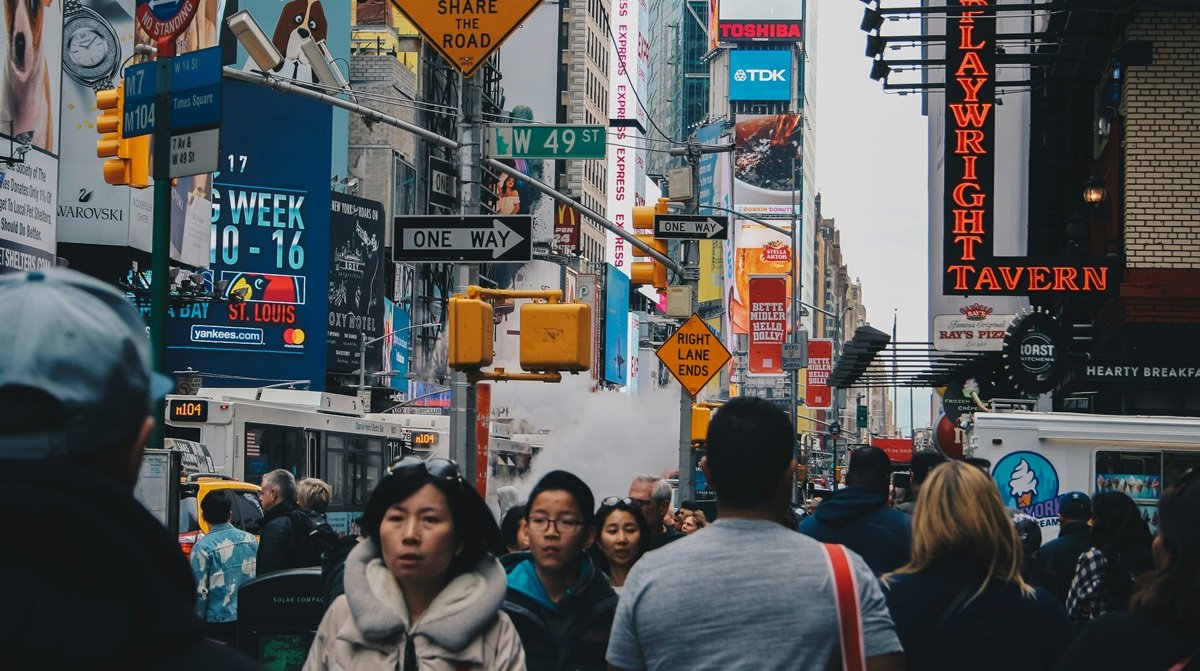


The pioneering Algorithmic Pricing Disclosure Act has been passed in the state of New York in the United States. It is the first state to legislate to limit a practice known as personalized or algorithmic pricing, which consists of customizing prices for each customer.
To achieve this, companies access user data on Internet browsing, location and previous purchases, so that all the information is analyzed by Artificial Intelligence (AI) algorithms that set a personalized price for each user.
The new law, which limits the use of AI in e-commerce for businesses in New York State, forces companies to show consumers the following message, “This price has been set by an algorithm using your personal data.“ The message must appear just before the customer formalizes the payment, so that the user knows that their data is being analyzed to offer them that price.
Up to $1,000 per violation for companies that do not inform their customers that the price has been set using their data and AI
The state of New York thus wants to prevent users from paying higher prices for the goods or services they are consuming without knowing, at least, that the price they are going to pay is not generic and the same for everyone, but has been established in a personalized way by accessing their personal data.
Companies that violate the new regulatory text or hide the practice of algorithmic pricing to the end consumer could face fines of up to 1,000 dollars per violation. This new law passed in the United States affects all companies headquartered in the state of New York, such as Etsy, Bonobos, Wardrobe.nyc or Another Tomorrow.
The use of user data to personalize the user experience is not new. Platforms and advertisers use it to impact with advertising and ads tailored to the user based on their previous purchases, geolocation or web browsing history.
Related content

Mango Strengthens NYC Presence with New Upper West Side Location
2 dic 2025 - 12:08
Birkenstock projects double-digit growth through 2028 with renewed strategy
29 ene 2026 - 11:16

Levi Strauss Boosts Profitability: Dodges Tariff Impact and Triples Earnings
29 ene 2026 - 11:15

H&M keeps its finger on the pulse and earns 4.6% more at fiscal year-end
29 ene 2026 - 11:10
Latest news
Birkenstock projects double-digit growth through 2028 with renewed strategy
29 ene 2026 - 11:16
Levi Strauss Boosts Profitability: Dodges Tariff Impact and Triples Earnings
29 ene 2026 - 11:15
H&M keeps its finger on the pulse and earns 4.6% more at fiscal year-end
29 ene 2026 - 11:10

Gordon Brothers Takes Over LK Bennett, Sets Stage for Global Expansion
28 ene 2026 - 12:33