Gap, Amazon, Target and Walmart Halt Indian Textile Shipments Amid 50% Tariff Imposition
Major retailers have relayed their decision to suppliers, resulting in a production pause for the American market. The U.S. currently enforces a 25% tariff, with threats to raise it to 50%.
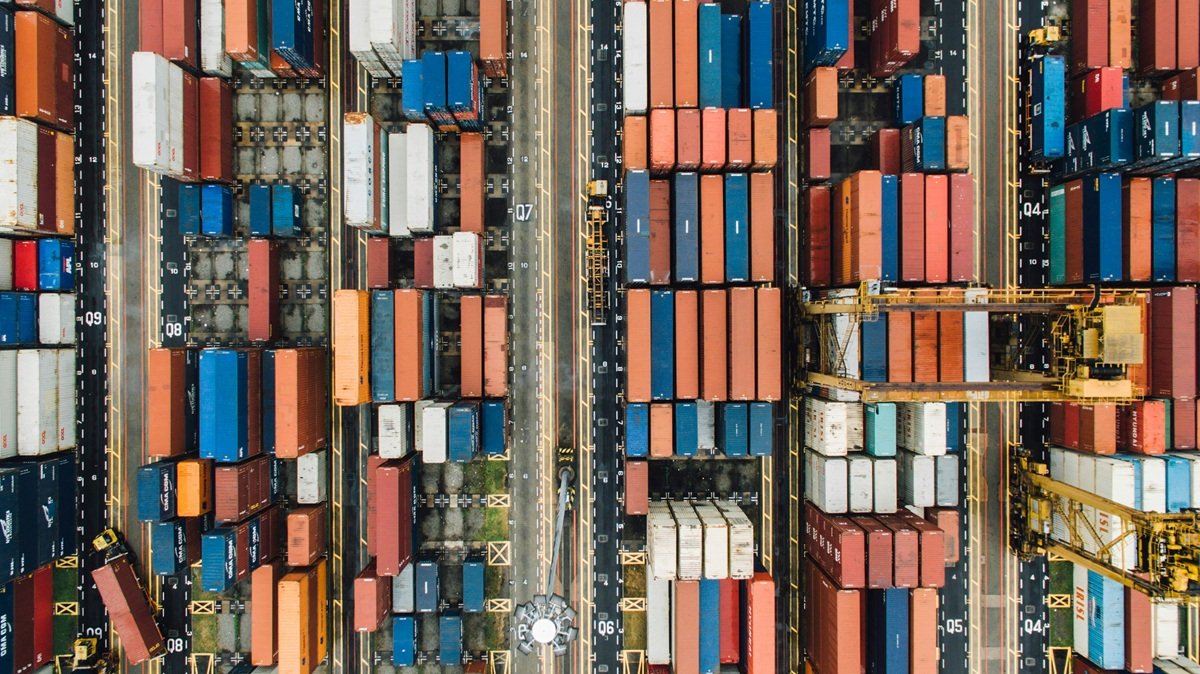


Tariffs punish India. Major U.S. retailers such as Walmart, Amazon, Target and Gap have called for a pause in shipments to Indian exporters, mainly in the textile sector, because of the 50% tariff imposition.
According to the local channel Ndtv Profit and reported by EFE, buyers are not willing to assume the costs that include a 25% tariff, which came into force yesterday, and the threat of another 25% at the end of the month. The media anticipate a drastic drop in exports and losses in the millions.
Retail giants have reportedly sent e-mails and letters to their suppliers in India, requesting a freeze on garment and textile shipments until further notice. The president of the Tiruppur Exporters Association, A. Sakthivel, has confirmed his members’ decision to suspend production for the U.S. market.
The Confederation of Indian Textile Industry (Citi) yesterday called the tariffs a “huge setback” for the sector, which will “significantly weaken” its industrial capacity to compete.
Retail giants have sent e-mails and letters to Indian suppliers, and they have suspended production
India is the fourth largest exporter of apparel to the United States, with a market share of around 6%. China dominates with 21% and Vietnam with 19%. With the new 50% tariffs, India suffers a major disadvantage vis-à-vis these countries, with tariffs of between 20% and 30%.
India has recently emerged as the fashion industry’s latest big bet, thanks to its pricing strategy, product adaptation and speed in capturing opportunities. In its latest budgets, in fact, the country increased the amount allocated to the Ministry of Textiles by up to 15%.
Until the beginning of the year, U.S. companies were looking for alternative suppliers to those they already had in China, for example, and Indian exporters even had problems responding to the flood of orders from the country. Last year, textile and apparel exports rose by as much as 7% year-on-year to $23 billion.
Related content

Trump’s Global Tariff Strategy Targets India and Strengthens EU Ties
30 jul 2025 - 15:31

IMF Revises Global Growth Prospects Upward Amid Tariff Reductions
29 jul 2025 - 15:15

Trump Confirms Trade Pact With China and Hints at Upcoming Agreement With India
27 jun 2025 - 06:47

Amazon: 2nd Workforce Shakeup, Slashing 16,000 Jobs, Totaling 30,000
28 ene 2026 - 08:12
Latest news

Gordon Brothers Takes Over LK Bennett, Sets Stage for Global Expansion
28 ene 2026 - 12:33

Galeries Lafayette Finalizes Sale of BHV Building Amid Shein Controversy
28 ene 2026 - 12:30

VF Corp’s Q3 Results Shine with 28% Boost as Business Reorganization Unfolds
28 ene 2026 - 08:23

Claire’s Faces Another Setback in the UK with Second Bankruptcy in Six Months
28 ene 2026 - 08:21