China Ramps Up Xinjiang Cotton Production by More Than 92%
In a newly released document, the State Department charges the country with continuous human rights infractions against ethnic and religious minorities, highlighting the Uyghurs’ situation.
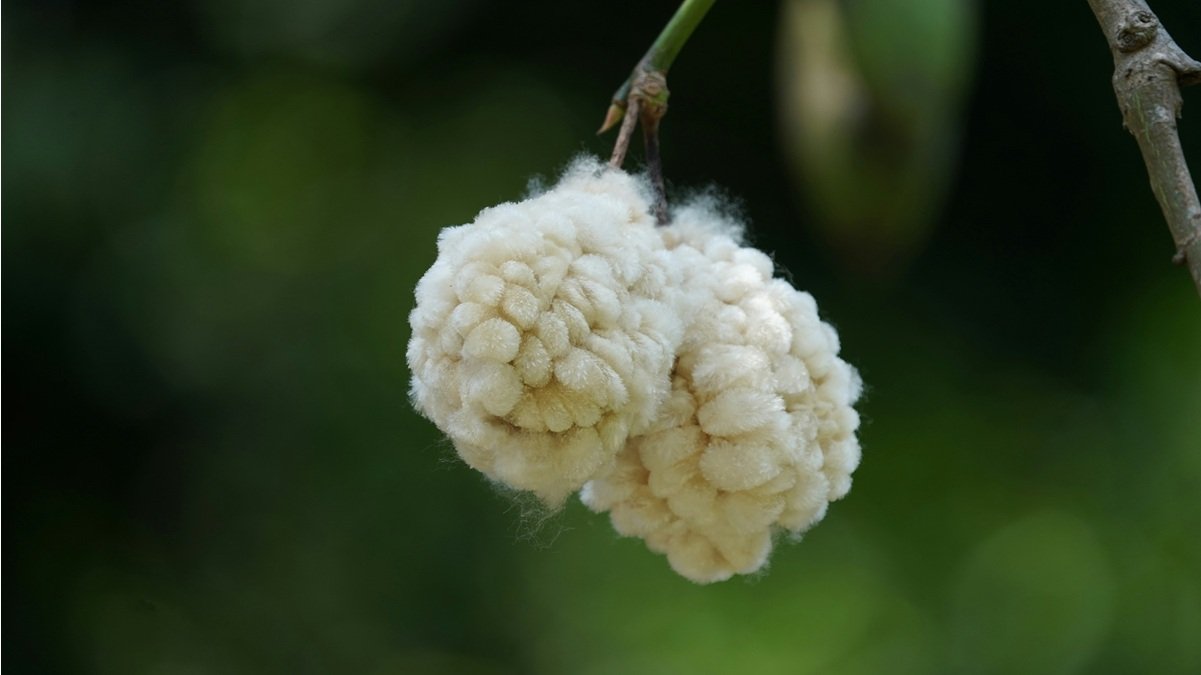

The United States is once again accusing Xinjiang (China) of committing crimes against humanity. A document published by the State Department, entitled China Human Rights Report 2024, accuses the country, one of the world’s largest cotton producers, of committing genocide against the region’s ethnic and religious minorities, including the Uighurs. The region has been in the spotlight for years, especially since the Uyghur Forced Labor Prevention Act (Uflpa) was passed in the United States.
The legislation, first implemented in 2022 by the administration of former President Joe Biden, established a list of companies accused of sourcing cotton from the region, where the international community claims that forced labor practices are being carried out against the Uyghurs and other Muslim minorities in the region. Under this pretext, the Uflpa prohibits any company on this list from exporting its products to the United States.
Xinjiang, however, still supplies about 20% of the world’s cotton and 80% of China’s cotton. In fact, last year, 90.9% of Chinese cotton was grown in the region, while for this year the percentage is expected to grow to 92.6%, concentrating even more of the material’s domestic production.
The document recently published by the US State Department lists crimes against humanity of all kinds, both “extrajudicial executions, forced disappearances and torture” and coercive population controls, including forced abortions and sterilizations. It also lists mass arbitrary detentions and restrictions on freedom of expression, press and Internet, among others.
The U.S. document lists crimes against humanity of all kinds
The text asserts that the Chinese government has systematically promoted racism and discrimination against these minorities, who have been forced to migrate to minority areas, such as, in this case, Xinjiang. It insists that it has not taken measures to punish such abuses.
In addition, investigations point in the same vein to Uyghurs being mobilized in 2020 to take up jobs in Xinjiang’s cotton fields, many of them against their will, and being forced to remain in the region.
However, the latest estimates suggest that China will gradually lose weight in the cotton industry. The latest OECD-FAO Agricultural Outlook report indicated that the Asian giant would lose 2.4 points in the world cotton consumption share by 2033 compared to the estimated average for the period 2021 to 2023.
Xinjiang veto
Shortly before leaving office as President of the United States, Joe Biden fattened the list of Chinese companies present in the Uflpa, which prohibits any company on the list from exporting its products to the United States .
The entry into force of the law as early as 2022 forced many companies to redefine their cotton supply chain, then heavily dependent on this region of China.The law includes companies that are linked to forced labor in four different ways, either by sourcing and producing the raw materials directly, working with any entity that perpetuates this type of exploitation, companies that export the items produced in the region, or those that simply source the virgin materials and then process them in their own factories.
Related content

Aditya Birla: The Powerhouse Behind India’s Desert Cotton Boom
15 jul 2025 - 05:00

Fashion Industry on Edge: AAFA Warns About China-US Tariff Agreement
14 ago 2025 - 07:31

Swatch Sees 89% Profit Decline in 2025 Amid Tariff Woes and Sluggish Demand
30 ene 2026 - 04:26

Latest news
Swatch Sees 89% Profit Decline in 2025 Amid Tariff Woes and Sluggish Demand
30 ene 2026 - 04:26

Inditex’s Eduard Casabella on Oysho’s Sport Pivot and Growth Through Identity
29 ene 2026 - 18:40
McKinsey’s Gemma D’Auria on Luxury’s Pullback and Fashion’s Resilience in 2026
29 ene 2026 - 18:35