

Saks on the Brink: Struggling to Manage Mounting Debt Crisis
Leadership shakeup at prominent U.S. department store: Mark Metrick exits CEO role amidst crisis, with Richard Baker named as successor for Saks.
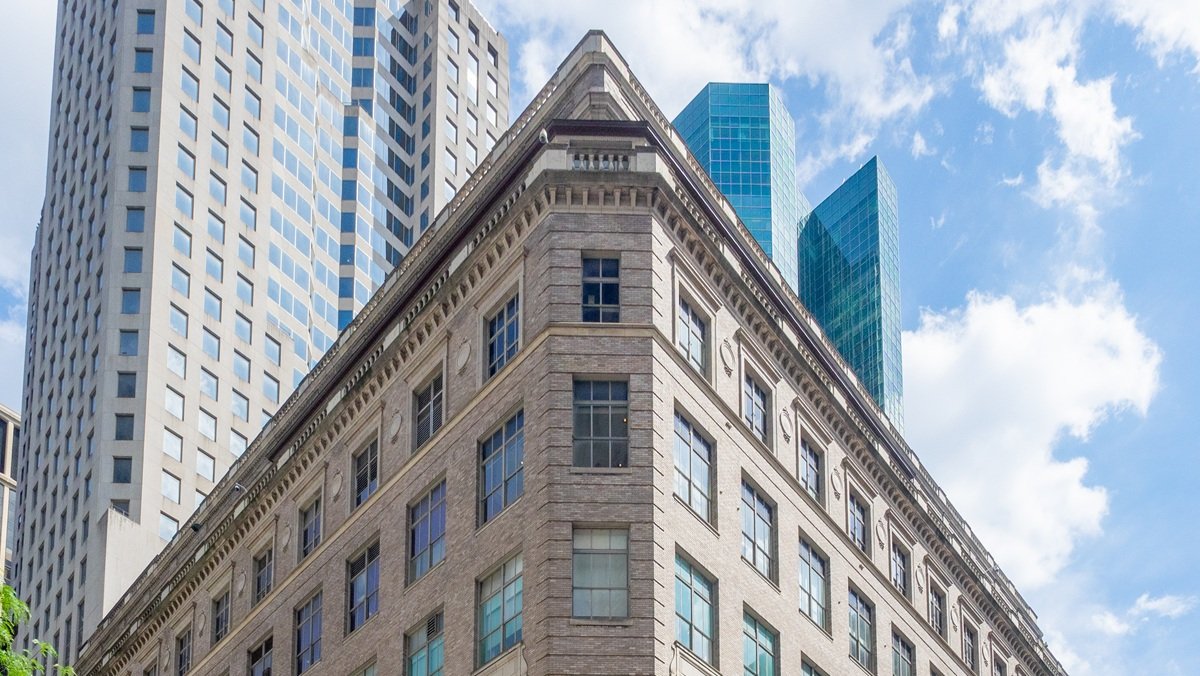


Saks is getting closer and closer to bankruptcy. What in December looked like a possibility, at the beginning of the year has become a reality due to the company’s inability to make a debt payment, whose term has already expired. The luxury department store chain could declare bankruptcy in the coming weeks, according to The Wall Street Journal.
The company behind luxury retailer Saks Fifth Avenue was unable to make an interest payment of more than $100 million expected on Tuesday and is in talks with creditors to secure financing during its bankruptcy proceedings.
The company has been working hard in recent months to revive activity in the U.S. market in the face of rising inflation and a weak labor market. During the past year, in fact, Saks has attempted to sell a minority stake in Bergdorf Goodman, as well as some of its assets, such as a property in Beverly Hills.
Saks reached an agreement with its creditors in August to refinance $600 million of its debt
In August last year, Saks reached an agreement with its creditors to refinance $600 million, which forced them to accept losses and saved it from bankruptcy. Previously, it had carried out different processes focused on avoiding bankruptcy, such as a financing operation for $350 million from SRL Credit Solutions.
In July, the company announced its results for the first quarter of the year , with a net loss of $232 million, up from a net loss of $184 million in the first quarter of 2024, excluding Neiman Marcus.
Last year, Hudson’s Bay Company (HBC) took control of Neiman Marcus for $2.7 billion. The transaction resulted in the creation of a new company called Saks Global, which included Neiman Marcus, Bergdorf Goodman, Saks Fifth Avenue and Saks Off 5th. The goal was to compete with department store operators such as Nordstrom, Bloomingdale’s and Macy’s. The deal was funded by investors including Amazon, Authentic Brands Group and Salesforce, among others.
Related content

Saks Faces Potential Bankruptcy Despite Billions Raised for 2025 Comeback
23 dic 2025 - 06:28
Saks Global Plans $1 Billion Stake Sale in Bergdorf Goodman
22 sep 2025 - 07:13

Saks Global Kicks Off Year in Red Amid Transformation Post-Neiman Marcus Merger
18 jul 2025 - 06:51
Saks Moves to Restructure $600 Million in Debt Amid Bankruptcy Concerns
30 jun 2025 - 06:47
Latest news

Turkey Increases Minimum Wage by 27%, Approaching $650
2 ene 2026 - 15:09
Asos Unveils New UK Return Policy Amid Ongoing Efforts to Curb Returns
2 ene 2026 - 07:05


MGFB35: Fashion Stocks End a Lackluster Year with Modest 1.9% Gain
2 ene 2026 - 05:00


