

Puig Seeks $12 Million from Saks Amid Bankruptcy Proceedings
Spain’s fashion, fragrance, and cosmetics giant joins the growing list of creditors for Saks, standing alongside industry heavyweights such as Kering, LVMH, Richemont, Christian Louboutin, Giorgio Armani, and Zegna.
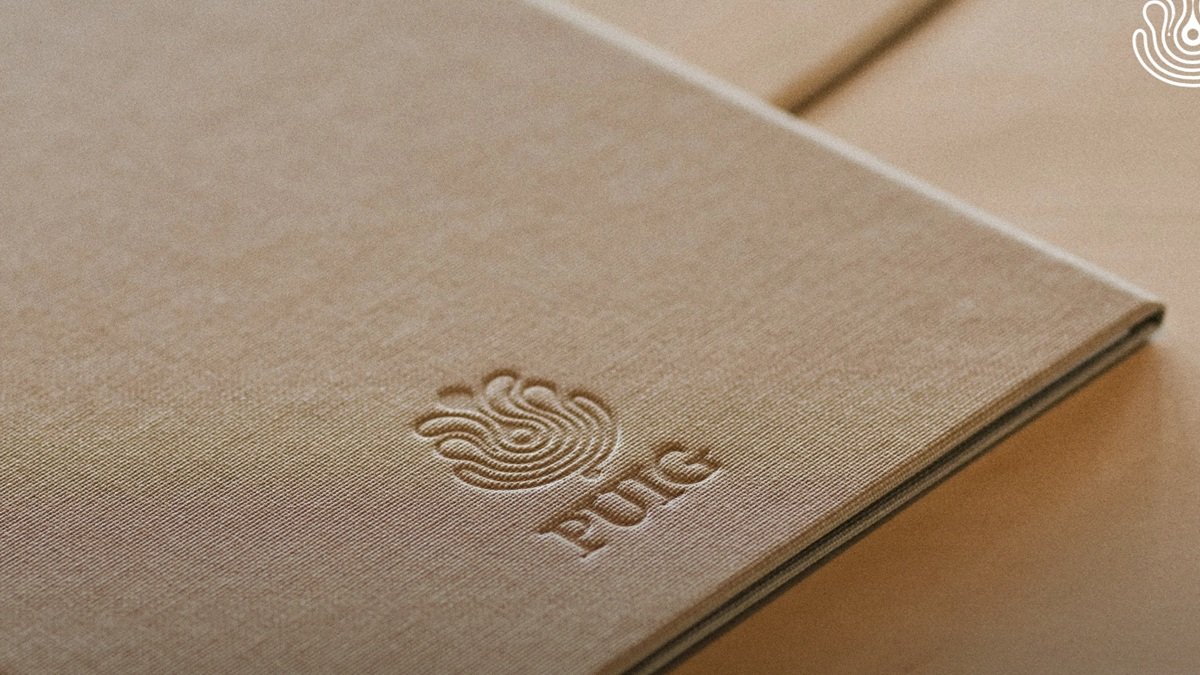


Puig joins the claims against Saks. The Spanish fashion, perfumery and cosmetics group is demanding that the U.S. luxury department store chain collect the debt it owes it after it went bankrupt.
Saks’ debt amounts to $10 billion and its situation has worsened after it defaulted on the payment of $100 million associated with a debt issue in December. Puig is the only Spanish company on the list of thirty Saks creditors, who are demanding a total of $345 million.
Chanel would be the main creditor, claiming an amount of $136 million. Kering, for its part, claims $59.9 million. Also Richemont, $30 million; LVMH, $25 million, Christian Louboutin, which demands the payment of $21 million; Giorgio Armani, $10.79 million; Ermenegildo Zegna, $23.3 million; Brunello Cucinelli, $21.2 million; The Estée Lauder, $15.9 million; G-III Apparel Group, $16.7 million; Burberry, $9.5 million; and Dolce&Gabbana, $9.1 million.
The full list is made up of Rosen-X, claiming $41.4 million; Capri, $33.3 million; Mayhoola, $33.2 million; PricewaterhouseCoopers (PwC), $30.8 million; Akris, $23.8 million; and PwC, $23.5 million.23.1 million; Akris, $23.1 million; Beiersdorf, $22.2 million; Fine Fragrance Distribution, $21.6 million; Europerfumes, $17.3 million; Meta, $11.9 million; David Yurman, $11.4 million; B. H. Multi Com Corp, $11.4 million; and B. H. Multi Com Corp, $11.4 million.H. Multi Com Corp, 11.2 million; S Rothschild&Co, 10.8 million; Roberto Coin, 9.7 million; Google, 9.6 million; Sisley, 9.5 million; Centric Brands, 9.4 million; and Vince Holding, which claims $9 million.
Chanel is the creditor claiming the most money from Saks: $136 million
Due to the debts that Saks maintains with its suppliers, market sources point out that there has been a delay in the arrival of orders to the store. In fact, the store windows are reportedly emptier, which has prompted customers to hastily spend their gift cards. This phenomenon has been reproduced in the seventy physical stores that Saks has in the United States, which, according to the latest information from the giant, will remain open.
The judicial process in which Saks is immersed is intended, precisely, to give it more room to negotiate a debt restructuring with its creditors, or to sell itself to a new owner to avoid liquidation. In this context, Saks has secured an emergency financing package totaling $1.75 billion, with an additional $240 million facility.
In this situation, the Saks management shuffle continues. Former CEO Richard Baker has stepped back, and will now be replaced by Geoffroy van Raemdonck, who headed Hudson’s Bay, a Canadian department store company that went bankrupt last year.
The beginning of Saks’ decline is dated 2024: it began with the acquisition of Neiman Marcus, also a U.S. department store chain, for $2.7 billion. In July, the company announced its first-quarter results for the year, reporting a net loss of $232 million, up from a net loss of $184 million in the first quarter of 2024, excluding Neiman Marcus.
Puig, meanwhile, closed the third quarter of fiscal 2025 with stagnant revenue in its fragrance and fashion division. At the end of the first nine months of the year, the Spanish group’s sales stood at €3,596.2 million, compared to €3,428.2 million the previous year.
Related content

Saks Global Files for Bankruptcy
14 ene 2026 - 06:52
Puig’s Fragrance Sales Stagnate, U.S. Market Slips, Growth Dips Over Nine Months
30 oct 2025 - 16:57
Saks Heads to Court Amidst Unresolved Debt Issues
12 ene 2026 - 07:51
Saks Pursues $1 Billion Financing Deal to Sidestep Insolvency
5 ene 2026 - 08:10
Latest news

Gabriela Hearst Elevates Michele Cohen to Brand President
15 ene 2026 - 07:46

El Corte Inglés Appoints Cristina Álvarez as New President
15 ene 2026 - 07:40

Richemont Sparkles with 11% Sales Rise, Driven by Jewelry Demand
15 ene 2026 - 07:38

Shein’s Mystery Man: Discovering Xu Yangtian
15 ene 2026 - 05:00


