Spanish Fashion House Oteyza Ventures into Luxury with Premium Merino Wool
In a bid to elevate Spain’s wool legacy on the global luxury stage, the company introduces a fresh textile collection while boosting its Merino Excellence Center, emphasizing vertical integration and nearby production.
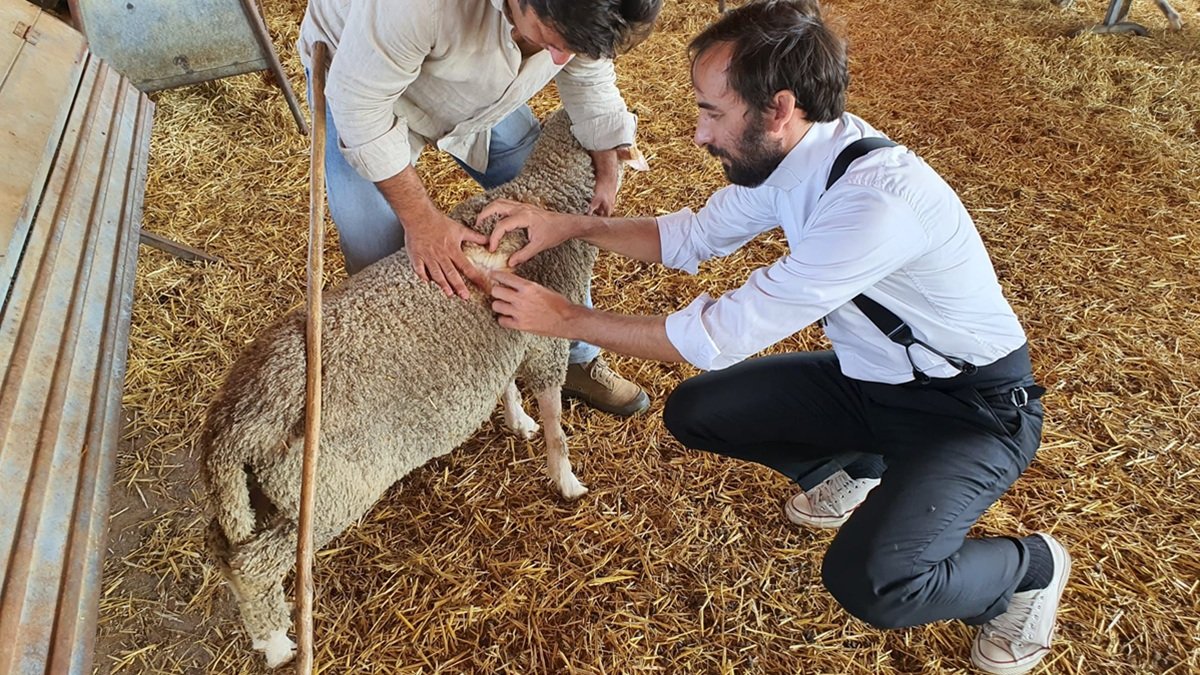

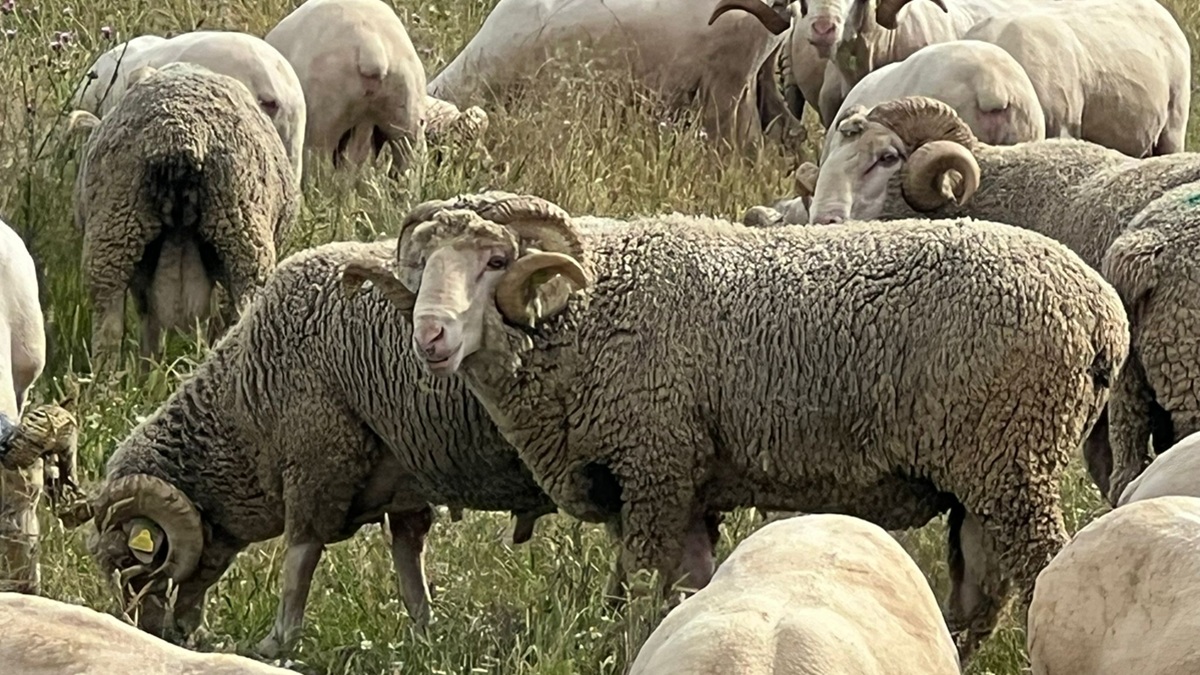
Pure merino sheep graze among holm oaks and cork oaks in the pastures of Extremadura and Castilla y León. For years, much of this wool has been sold at rock-bottom prices or discarded because the business model focused on meat. Meanwhile, the fame of the wool has been associated with countries such as Australia or New Zealand, where sheep exported from Spain were crossed with other breeds and adapted to new climates.
It is this map of tradition that Oteyza wants to begin to reposition. The Madrid-based designer fashion company has transformed more than a decade of working with historic merino herds into a new business line of high-end fabrics and yarns, made with 100% Spanish extra-fine merino and native breed. In parallel, the Spanish company is promoting the Center of World Merino Excellence (Cemm), conceived to organize, protect and project this wool heritage as a national flag in fashion, craftsmanship and design.
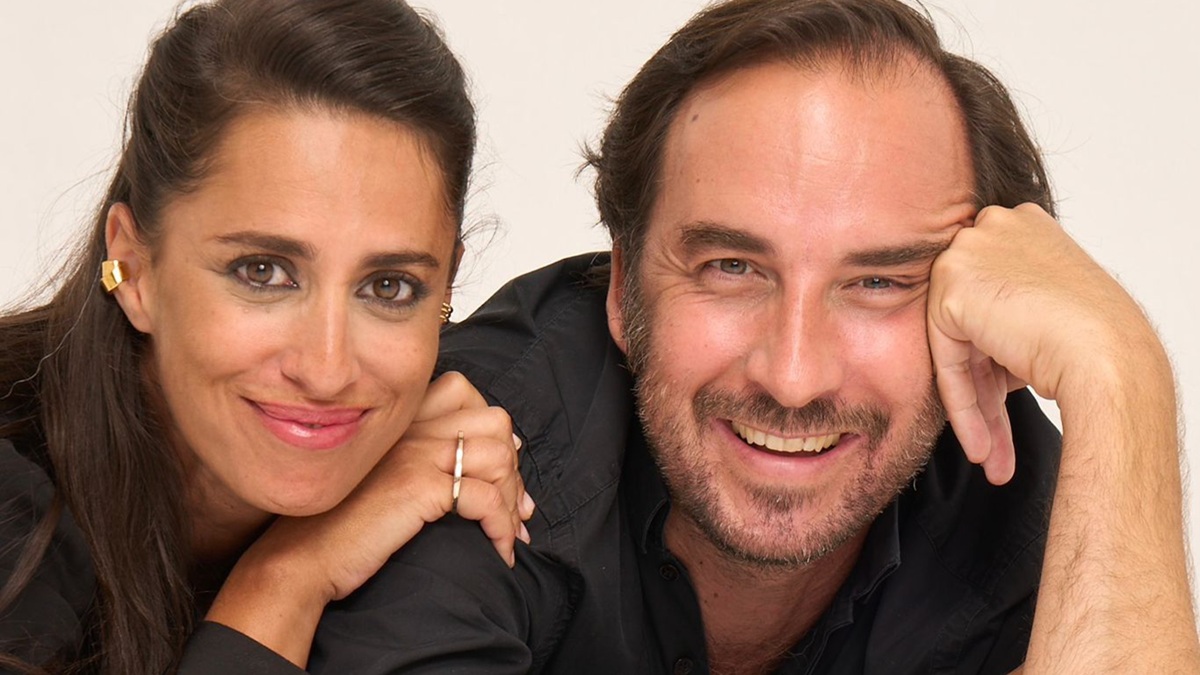
“What we are presenting is not just a new cloth, it is the restoration of the most important historical legacy of Spanish fashion,“ advances to Modaes Paul García de Oteyza, co-founder of the company along with Caterina Pañeda. “Spanish merino was the fiber that saw the birth of fashion on a global scale and Spain had for centuries the best wool and the best dyes, which gave it a decisive influence on how the world dressed,“ recalls the entrepreneur.
Founded in 2011, Oteyza has articulated in recent years its growth in three major divisions: fashion (with prêt-à-couture and tailoring), performing arts and, starting next February, perfumery together with the Perfumes y Diseño group. The revival of merino wool with the new line of Merino R8 fabrics is precisely a fourth leg, until now more linked to storytelling than to structured industrial exploitation.
Oteyza makes the leap from the Madrid workshop to the wool value chain
In perfumery, the company signed an exclusive license with the Spanish group PyD, which since 2021 has been a minority shareholder in its capital. The conglomerate, which had a turnover of €112.38 million in 2023, is responsible for the production, marketing and international distribution of Oteyza’s perfumery in the high perfumery segment.
The alliance also extends to the performing arts. Under the Oteyza Experiences brand, and through a new company in which the perfumery group has a stake, the firm has turned its shows into a marketing tool and a division with its own weight. According to García de Oteyza, the company grew 20% in 2024, driven largely by this activity.
The new merino line completes the picture of craftmanship that the firm has championed since its foundations. “It is coherent that Oteyza not only dresses with this merino, but also sells finished fabric to other houses that work with high craftsmanship,“ the co-founder points out. “It is a model that already exists, Loro Piana has demonstrated it - reflects García de Oteyza -; we start from the niche and ultra-luxury because if we want Spanish merino to recover its name and its value, first we have to place it at the highest possible level”.
The project culminates in the development of a worsted cloth baptized Merino R8, in reference to its eight crimps per centimeter. It is 100% merino, a historical native breed, with extra-fine fiber and a structure that, according to García de Oteyza, gives it an elasticity, firmness and resilience that are difficult to find on the market.
The Spanish company diversifies its business, focusing on verticality, national heritage and local production
“Australian wools, which are basically the granddaughters of our merino wools, have achieved worldwide fame for their fineness and length,“ García de Oteyza argues. “Our merino may not be as long, but it has something they don’t have: the curl, a genetic signature linked to the breed, but also to the ecosystem,“ he adds, qualifying the unique characteristics of national production because “when the sheep moves to other territories, that curl is lost.“
To reach this point, Oteyza has worked for more than a decade with historical flocks, classifying animals, studying breedings and testing degreasing, dressing, spinning and weaving, in collaboration with the French high-end weaving company Dormeuil. The result can now be presented in the whole chain with raw material, washed and combed wool, yarn, undyed fabric and finished fabric.
“The culture of wool has been lost in Spain,“ says the businessman; “when we have shown this material to English, Italian or French industrialists, they have been surprised, they could not believe that this wool came from here”. For Gracía de Oteyza, this project shows that “if the selection work is done and the value chain is taken care of, Spanish merino can compete on equal terms with the best fibers in the world”.
There are currently around three million sheep in Spain, of which some 130,000 are 100% native Merino, according to the company’s data. Of this figure, Oteyza estimates that between 15,000 and 30,000 head can currently reach the level of excellence required by the project. Each sheep can produce around 4.4 pounds of wool, although later it is necessary to classify and discard, so it is a question of thousands of kilos per year with potential for growth in the medium term.
At the same time, the company has been working on the creation of the World Merino Center of Excellence
The new line of business is being developed in parallel with the World Merino Center of Excellence, conceived as a platform for the technical, cultural and economic development of the fiber. The Cemm is born with three axes that consist of improving the herd of excellence, setting quality standards and protecting the cultural and intellectual heritage of Spanish merino.
Its objectives also include the promotion of a rigorous classification of merino herds of excellence, research into new uses, treatments and finishes, as well as the promotion of quality standards linked to the entire value chain, from the pasture to the loom. The center plans to organize meetings of experts, research conferences and outreach activities.
For its launch, the project is supported by a network of institutions. The Instituto de Empresa (IE) will provide the education and research part, organizing challenges at its campuses in the Middle East, the United States and Europe to involve students, designers and artists in working with R8 merino. For its part, the Royal Tapestry Factory will act as a partner in high craftsmanship, while the Costume Museum will act as guarantor of the legacy and cultural heritage. The Community of Madrid, through the Ministry of Culture, will support the initiative from the institutional angle.
Until now, the development of the merina of excellence has been financed with Oteyza’s own resources. “For more than ten years we have been setting aside items because we believed in this project,“ explains García de Oteyza. “What we are now asking the institutions for is support,“ adds the businessman.
From the pasture to global luxury: Spanish merino as a European production center
Oteyza’s bet is based on an “idea of country”. “Spain needs flags that resonate in Europe and the world, with solid roots and the capacity to push forward,“ summarizes the co-founder. “The merino has been so for centuries and now we want it to be so again with a contemporary vision,“ he stresses.
In a wool market dominated by large international producers, the company defends the combination of excellence and proximity as a competitive advantage. Spanish merino is located between 800 kilometers and 1,000 kilometers (around 500,000 miles) from the main European manufacturing centers, which reduces logistics costs and facilitates traceability. The model is also based on the biodiversity of the dehesas and on herd management similar to that of the Iberian pig, with animals that require varied feed and well-cared-for ecosystems.
From the business point of view, the new line will start with a still limited weight in the group’s turnover, but with a vocation to grow as the herds of excellence scale up and the distribution channels consolidate. Oteyza is already in talks with factories, manufacturers and distributors interested in incorporating R8 merino, both in fashion and in decorative arts and tapestries.
The firm insists that, at least in this first stage, the project will be aimed at ultra-luxury. “There is a lot of merino wool in Spain, but the one we work with, the extra fine worsted wool, is something else,“ says García de Oteyza. “If you bring out a collection of excellence and sell it at the price of a market closer to fast fashion, the public will not understand the value, so first you have to place it where it belongs, he says about the target clientele of the project. For Oteyza, the ambition is clear: for Spanish merino to once again have its own accent on the world luxury map.
Related content

Birkenstock Charts Robust Growth Path to 2028 with Fresh Strategy
29 ene 2026 - 11:16

Levi Strauss Boosts Profitability: Dodges Tariff Impact and Triples Earnings
29 ene 2026 - 11:15

H&M Holds Steady: 4.3% Profit Surge in 2025 Approaches €1.06 Billion Mark
29 ene 2026 - 11:10
Gordon Brothers Takes Over LK Bennett, Sets Stage for Global Expansion
28 ene 2026 - 12:33
Latest news
Birkenstock Charts Robust Growth Path to 2028 with Fresh Strategy
29 ene 2026 - 11:16
Levi Strauss Boosts Profitability: Dodges Tariff Impact and Triples Earnings
29 ene 2026 - 11:15
H&M Holds Steady: 4.3% Profit Surge in 2025 Approaches €1.06 Billion Mark
29 ene 2026 - 11:10
Gordon Brothers Takes Over LK Bennett, Sets Stage for Global Expansion
28 ene 2026 - 12:33