

LVMH Navigates Luxury Tightening: Sales Slip a Mere 1% to €80.8 Billion in 2025
The French conglomerate stemmed the decline in sales for the fiscal year, buoyed by robust local demand and selective distribution, which offset weaknesses in the fashion, leather goods, and spirits divisions.
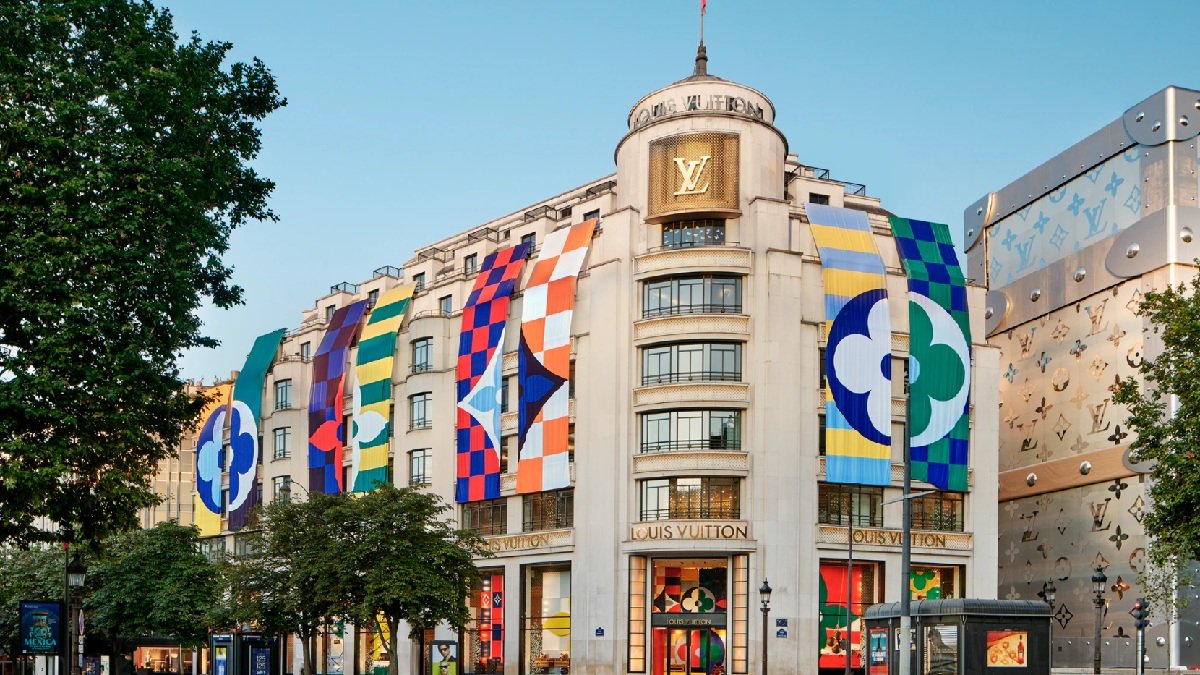

LVMH, at two speeds. The French luxury group closed last year with a turnover of €80.8 billion, down 1% in organic terms and 5% in reported figures. In a complex economic and geopolitical environment, particularly for luxury companies, the group kept its finger on the pulse of the business and avoided further deterioration in the final stretch of the year.
In the fourth quarter of 2025, LVMH reported organic growth of 1%, slightly upbeat and in line with the third quarter. The group also indicated that Asia, excluding Japan, returned to growth in the second half of the year.
The company also strengthened its defensive profile on the financial side. Operating free cash flow amounted to €11.33 billion, up 8%, while net financial debt fell to €6.85 billion, down 26%. Operating income came to €17.75 billion, down 9%, with an operating margin of 22%. Finally, net attributable profit came to €10.87 billion, 13% lower than in 2024.
During the presentation of the group’s annual financial results on Tuesday in Paris, Bernard Arnault, Chairman and CEO, said that “once again, in 2025, LVMH demonstrated its solidity and the effectiveness of its strategy.“ In the midst of the debate surrounding the succession of the head of the holding company, he insisted that “the group was driven by the loyalty and growing demand of local customers, a momentum that was again supported by the strong desirability of the group’s brands.
LVMH ended last year with a total turnover of €80.807 billion
The fashion and leather goods division, the main driver of the group, suffered from the luxury adjustment. The category posted sales of €37.77 billion, down 5% in organic terms, and reduced its recurring operating profit by 13% to €13.209 billion. Even so, it maintained a margin of 35%, in a year in which the group linked part of the comparative effect to a 2024 driven by tourism spending, especially in Japan.
In parallel, selective distribution was the mainstay of the business, with sales rising to €18.348 billion, up 4% organically, and recurring operating income soaring 28% to €1.780 billion. Sephora advanced in sales and results and continued to gain market share, while DFS improved profitability despite an international environment that continued to weigh on activity.
The most visible slowdown, however, came from wines and spirits. The division closed the year with sales of €5.358 billion, a 5% organic decline, and cut recurring operating income by 25% to €1.016 billion. The group pointed to a weaker demand environment for cognac and the impact of trade tensions in key markets such as China and the United States.
Meanwhile, the rest of the businesses offered a more stable profile. Watches and Jewelry increased sales by 3% in organic terms to €10.486 billion, with recurring operating income of €1.514 billion, down 2%. Perfumes and Cosmetics maintained stable sales in organic terms, to €8.174 billion, and increased its recurring operating income by 8%, to €727 million.
The French group returned to growth in Asia, excluding Japan, starting in the second half of the year
By geography, the group pointed to a weaker second half of the year in Europe and growth in the United States due to local demand. Japan declined versus 2024, favored by tourism spending linked to a much weaker yen, while Asia, excluding Japan, improved trends and returned to growth in the second half of the year.
Looking ahead to 2026, LVMH conveyed a message of caution in an environment that remains uncertain and placed cost control as one of the levers to sustain its leadership, along with investment in brands and in-store experience.
Related content

LVMH: Color Over Champagne in a Year of Resilience
24 dic 2025 - 05:00

LVMH: Beccari to Lead Louis Vuitton and Fashion Group
2 dic 2025 - 06:20
LVMH Tightens Grip on Loro Piana with $1 Billion Stake Boost to 94%
27 ene 2026 - 15:28

TAG Heuer CEO Departs Amid LVMH’s Watch Sector Turmoil
19 ene 2026 - 10:49
Latest news
LVMH Tightens Grip on Loro Piana with $1 Billion Stake Boost to 94%
27 ene 2026 - 15:28
Ferragamo Misses €1 Billion Milestone in 2025 Amid 5.7% Sales Decline
27 ene 2026 - 15:22
Amer Sports Taps Tommy Hilfiger Expertise to Strengthen Arc’teryx Leadership
27 ene 2026 - 11:53
The Kooples Appoints New CEO Following Verdoso Acquisition
27 ene 2026 - 11:45


