LVMH Expands Global Footprint, Eyes South Korea Amid Downturn in China and US
Dior, Vuitton, Bulgari, and Tiffany, under the French conglomerate, are expanding their footprint in the booming South Korean market, offering a stark contrast to the luxury slowdown in China and waning consumer strength in the U.S.
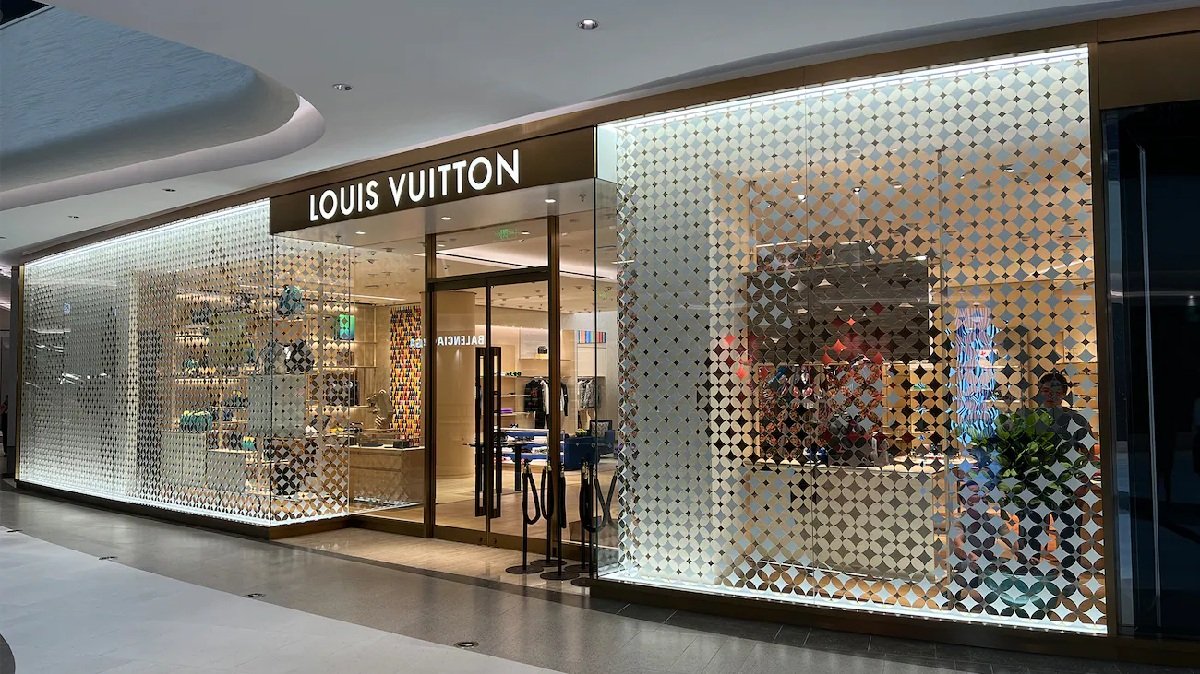

LVMH reinforces its commitment to South Korea in the face of the downturn in China and the United States. The French luxury group is preparing a new phase of expansion in the South Korean market, which has established itself as one of the most solid havens for the industry in an international environment marked by falling consumption in China, tariffs in the United States and volatility in Japan.
According to sources close to the group accessed by Bloomberg, Louis Vuitton and Christian Dior plan to expand their flagship stores in the Cheongdam district of Seoul in the coming years. The renovation of Dior could arrive in 2027 and include a permanent restaurant, following the model of boutiques that integrate cultural and gastronomic experiences.
Bulgari, the hólding’s jewelry and watchmaker, is also considering opening its first flagship store in the country, while Tiffany & Co. is preparing to launch a large-format store in Cheongdam in 2027. LVMH has not commented on these projects.
The group controlled by Bernard Arnault had already begun a rollout in South Korea in recent years. Celine opened its first boutique in December 2023 and Fendi debuted a flagship store the same year.
LVMH plans a package of renovations and openings in South Korea
The group’s interest is in response to strong local demand and rising tourism. In 2023, the combined sales of Louis Vuitton, Hermès and Chanel in South Korea grew by nearly 10% to $3.3 billion, according to official data. The country has become one of the most attractive markets for major luxury brands, with a young and loyal clientele, resilient consumption and a relatively stable economic environment compared to the contraction in other poles.
Sales to tourists have further boosted this growth. The Korea Herald notes that spending by foreign visitors, mainly from China and Japan, rose by a third in 2023 to a record 9.26 trillion won ($6.5 billion). The depreciation of the local currency has favored the arrival of international buyers, who find more attractive prices than in their home countries.
The Chinese market, which had been the main driver of luxury over the last decade, recorded its biggest contraction in ten years in 2023. Added to this is the pressure of tariffs in the United States, which has forced brands to raise prices, discouraging domestic consumption and encouraging purchases abroad. Even Japan, which experienced a luxury boom with the fall of the yen, is beginning to show signs of cooling.
In this context, South Korea is emerging as a key growth market for the major groups. LVMH is not alone in strengthening its positions. Richemont opened a Vacheron Constantin flagship store in Seoul in June, with exhibition spaces, a digital archive and a private lounge, while Hermès reopened its expanded flagship store in the South Korean capital in August.
In the first half of the year, LVMH posted sales of €39.81 billion, down 4% from the €41.67 billion it achieved in the same period of 2024. Meanwhile, net income fell by 22% to €5.698 billion, down from €7.267 billion in the same period of the previous year.
Related content

LVMH Expands Media Empire with Acquisition of Challenges in France
24 sep 2025 - 07:53
Luxury Power Trio at Global Fashion Agenda: LVMH Joins as Strategic Partner
23 sep 2025 - 07:33

LVMH Eyes Sale of Marc Jacobs Amidst Slumping Luxury Market
27 jul 2025 - 18:36
LVMH Shares Plunge, Pull Luxury Sector Down Following Disappointing Results
28 ene 2026 - 08:04
Latest news

Gordon Brothers Takes Over LK Bennett, Sets Stage for Global Expansion
28 ene 2026 - 12:33

Galeries Lafayette Finalizes Sale of BHV Building Amid Shein Controversy
28 ene 2026 - 12:30

VF Corp’s Q3 Results Shine with 28% Boost as Business Reorganization Unfolds
28 ene 2026 - 08:23

Claire’s Faces Another Setback in the UK with Second Bankruptcy in Six Months
28 ene 2026 - 08:21