Kering Exits Luxury Leasing: Reverses Course on Cocoon Investment
The French luxury conglomerate is stepping back from low-return emerging ventures. Its withdrawal from the British investment occurs amid strategic restructuring and an impending executive leadership change.
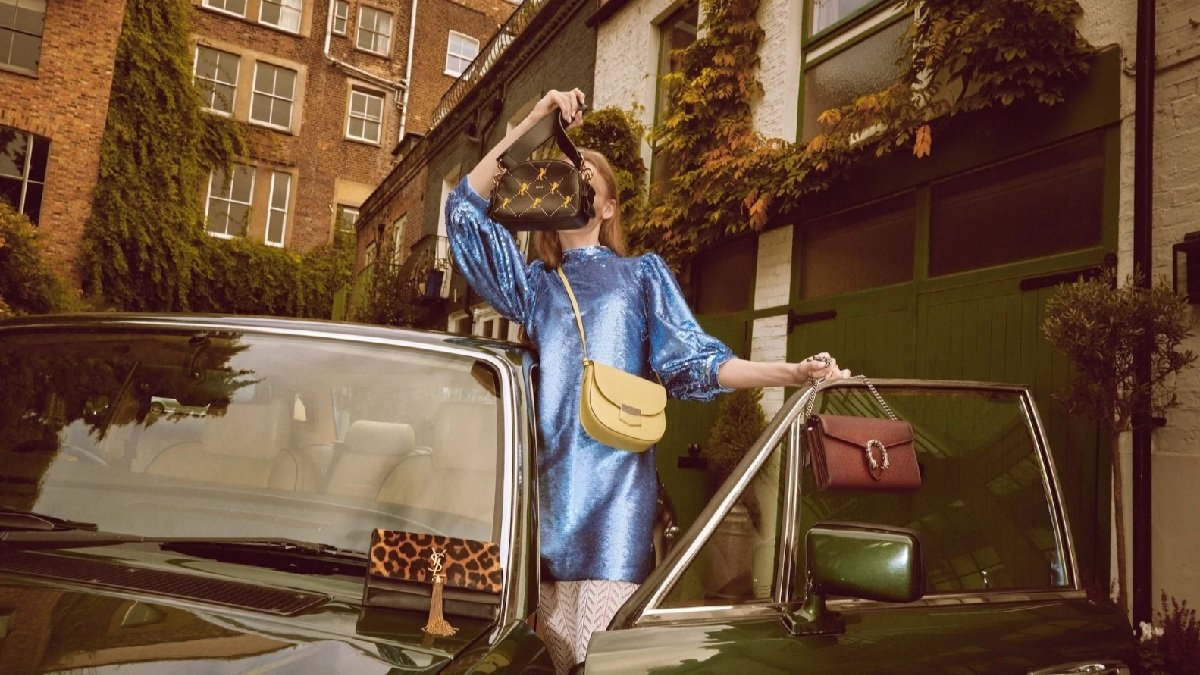


Kering continues to reshuffle its perimeter. The French luxury group has exited the capital of British start-up Cocoon, which specializes in the subscription-based rental of high-end handbags. The divestment is part of a series of recent operations aimed at simplifying and concentrating its portfolio of minority holdings.
The transaction took place against a backdrop of a major reorganization of the group, at both the creative and corporate levels. In parallel to the changes at the helm of some of its main brands, Kering has begun to realign its strategic bets on new business models and alternative assets.
Cocoon, founded in London in 2019 by Ceanne Fernandes-Wong, former marketing director of Vestiaire Collective, and entrepreneur Matt Heiman, posited a subscription-based luxury handbag rental model. In 2021, the company closed a funding round of nearly €3 million, involving Kering Ventures and Simon Beckerman, founder of Depop.
Kering Ventures, the group’s investment vehicle focused on innovation, then took an 8.1% stake. However, according to official data, the company exited the shareholding in January 2025, months after Fernandes-Wong left the project.
Kering is currently in the midst of a strategic withdrawal plan
The withdrawal from Cocoon adds to a broader trend of strategic retrenchment by Kering, which in recent months has reduced its exposure to non-core business models or those with limited returns. The company currently holds minority stakes in platforms such as Vestiaire Collective, recommerce company Revalorem, and Italy’s Mogu, which specializes in biomaterials from mycelium.
The move comes at a key moment for the company: as of September 15th, Luca de Meo, previously CEO of the Renault automotive group, will take over as CEO of Kering. The appointment was confirmed in mid-June, after months of speculation, with the aim of relaunching the group’s financial performance and replacing François-Henri Pinault. De Meo, 58, will take on the challenge of regaining the momentum of one of the world’s largest luxury companies, whose recent evolution has been marked by the stagnation of Gucci and the general cooling of the sector.
The reorganization also affects the creative and executive leadership of key brands such as Gucci, Balenciaga and Bottega Veneta, as well as the management of the group’s real estate portfolio.
The strategic adjustment process is taking place in an adverse financial environment. In the first quarter of 2025, Kering’s sales contracted by 14% to €3.88 billion, compared to €4.50 billion in the same period of the previous year. The main cause was the sharp decline at Gucci, whose sales fell by 24% to €1.57 billion.
The other brands showed a more stable evolution. Yves Saint Laurent reduced its turnover by 8%, while Bottega Veneta and Kering Eyewear grew by 4%. In total, the group closed 25 of its own stores during the quarter and ended March with 1,788 points of sale in operation.
Cocoon’s exit can be interpreted as a sign of caution in the face of emerging business models that have not achieved the expected profitability. The luxury rental market, in particular, has shown slower than anticipated adoption, especially in Europe.
Related content
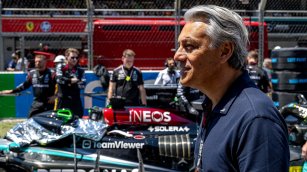

Kering Turns to Former Renault CEO Luca de Meo to Steer Its Transformation
16 jun 2025 - 10:54
Latest news
Birkenstock projects double-digit growth through 2028 with renewed strategy
29 ene 2026 - 11:16
Levi Strauss Boosts Profitability: Dodges Tariff Impact and Triples Earnings
29 ene 2026 - 11:15
H&M keeps its finger on the pulse and earns 4.6% more at fiscal year-end
29 ene 2026 - 11:10
Gordon Brothers Takes Over LK Bennett, Sets Stage for Global Expansion
28 ene 2026 - 12:33