

Myanmar’s Political Turmoil: Brands Reconsider Presence Amidst Uncertainty
As the Asian nation grapples with a contested electoral process, its economy spirals downward and its textile industry crumbles. Ongoing repression, insecurity, and internal conflict continue to deter international fashion brands.
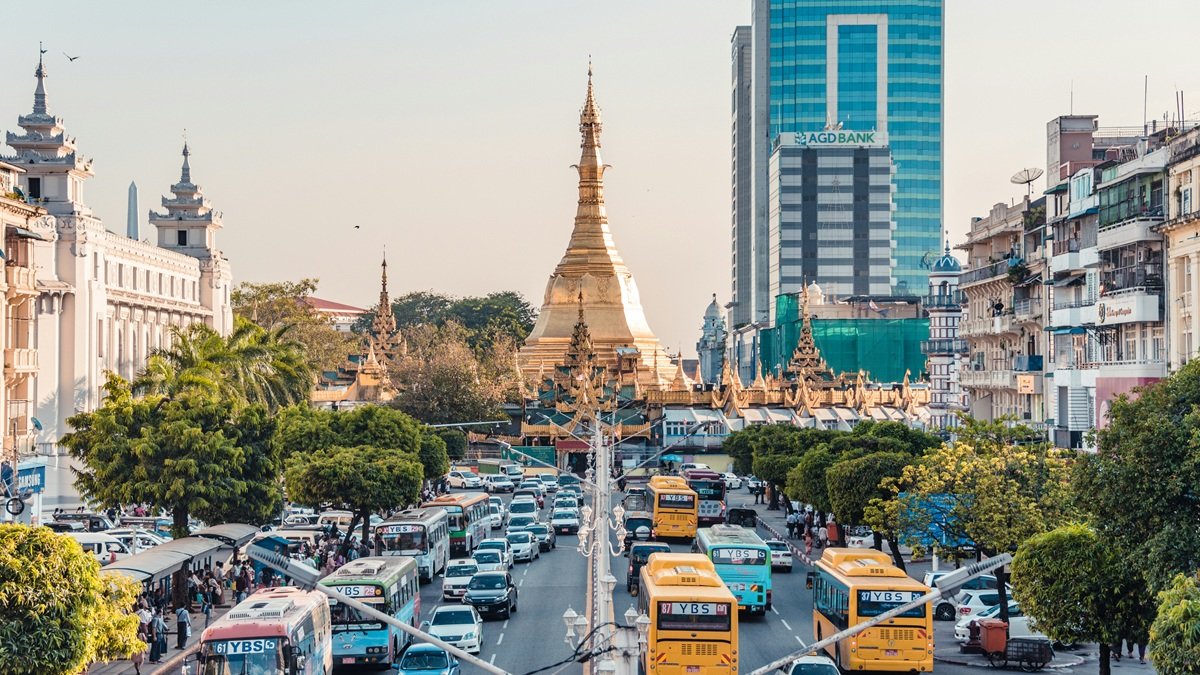

Myanmar is once again in the international spotlight at a time of maximum political, economic and social fragility. Four years after the coup d’état that in February 2021 gave power to the military, the Southeast Asian country, a textile international hub, has called elections, but remains immersed in a delicate internal conflict, with large areas outside the control of the military junta and a population punished by violence, economic collapse and external isolation.
The promise of openness that accompanied the last decade has faded, giving way to a scenario marked by repression, instability and a growing humanitarian crisis. In fact, the Office of the United Nations High Commissioner for Human Rights (OHCHR) warned a few months ago that the country is experiencing “a litany of human suffering”, with armed conflict, massive displacement and lack of access to basic services, which have seriously worsened conditions for the civilian population.
In this context, last Sunday, December 28th, a new electoral process called by the military junta began, the first since the 2020 elections which gave victory to the overthrown civilian government. The voting, planned in several phases and initially limited to 102 municipalities, is taking place under strict conditions of control and with the practical absence of an organized opposition. The main pro-democracy parties have been banned or excluded, calling into question the very nature of the process. In addition, thousands of activists, politicians and social leaders remain imprisoned or in exile. Such as Nobel Peace Prize laureate Aung San Suu Kyi or the elected president deposed in 2021, Win Myint.
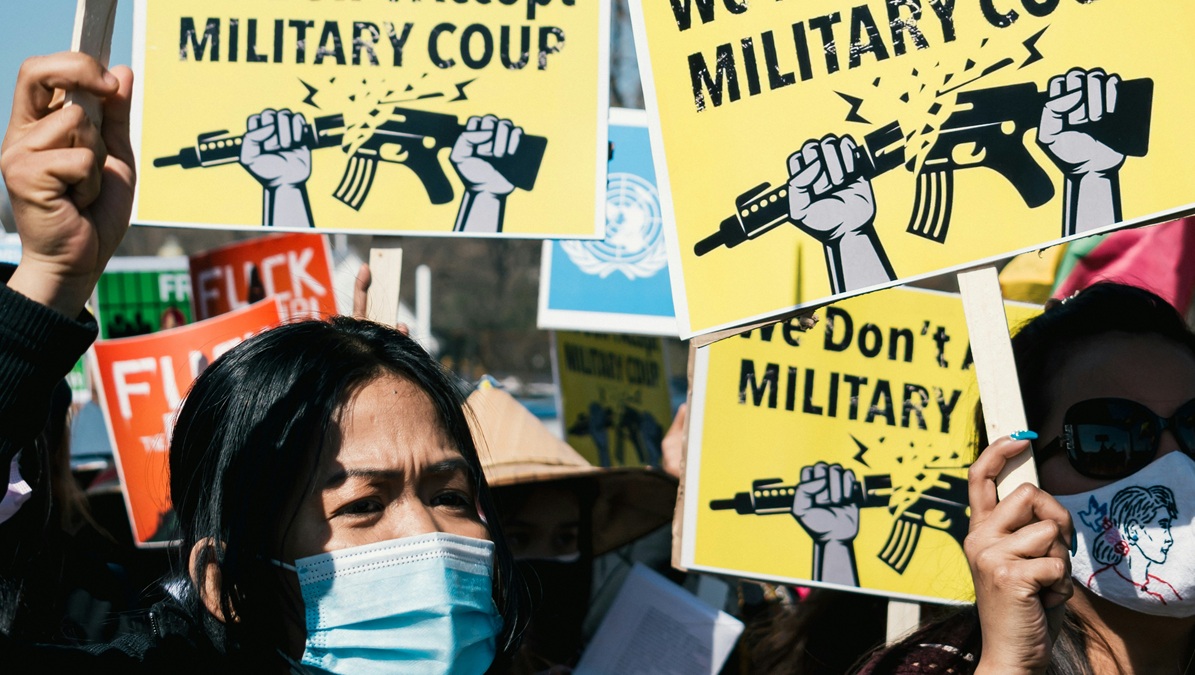
In parallel to the electoral process, the military junta has announced an amnesty on the occasion of Independence Day, celebrated on January 4, which contemplates the release of 6,186 prisoners, among them 52 foreigners, according to Reuters citing state media. The regime has presented the measure as a humanitarian gesture, which also includes a generalized reduction of sentences, although it excludes crimes considered serious. However, it is unclear whether the amnesty will affect political prisoners, in a country where more than 30,000 people have been detained for political reasons since the 2021 coup, according to the Association for the Assistance of Political Prisoners.
Voting in Myanmar, limited to 102 townships, is taking place under tight control of the military junta and virtually unopposed, according to the U.N.
The international community has reacted with skepticism, and in some cases with open condemnation. The United Nations and numerous pro-democracy organizations have described the elections as “fraudulent”, considering that they seek to legitimize the military regime rather than restore a representative system. With much of the territory affected by the armed conflict and without basic guarantees of political participation, the electoral process is perceived as a tactical move by the junta to gain time and external recognition, in a country increasingly disconnected from the economic and commercial dynamics of the region.
From paradise to hell for fashion
The country’s political instability and repressive drift have had a direct impact on its positioning within the international fashion industry. Since the 2021 coup, Myanmar has gone from being one of Asia’s emerging apparel hubs to becoming a high-risk market for major brands. Legal insecurity, allegations of human rights violations and the impossibility of guaranteeing minimum labor conditions have led many international groups to rethink or directly abandon their operations in the country.
In recent years, companies such as H&M, Inditex, Marks & Spencer, C&A and Primark have announced the closure of their supply chains in Myanmar or the progressive suspension of orders to local factories. In most cases, the decision has not only been in response to the deteriorating operating environment, but also to pressure from investors, trade unions and international organizations, which have warned of the reputational risks associated with operating in a country ruled by a military junta and with a growing history of labor abuses and union repression.
The retreat of major brands has left the local textile sector in a critical situation. The garment industry, which before the coup employed more than half a million people (mostly women) and acted as one of the country’s main export engines, has faced factory closures in recent years.lthough in recent years it has faced factory closures (at least 300 in the last few months, according to Science Direct), a drop in orders and a loss of competitiveness vis-à-vis other Southeast Asian markets such as Vietnam, Cambodia and Bangladesh. In this scenario, Myanmar is no longer a viable alternative for global fashion chains, consolidating its exit from the major international sourcing maps.
Once one of the fastest growing suppliers for the fashion industry, Myanmar continues to generate a significant volume of fashion sales to the country, although the figures continue to fall year after year, reflecting the fact that major brands have stopped sourcing from the former Burma.
Related content

Anta Makes Bold Move: Seeks to Acquire Pinault’s 29% Stake in Puma
9 ene 2026 - 08:46
Macy’s to Shutter 14 Stores Amid Ambitious Three-Year Revitalization Plan
9 ene 2026 - 07:35
Leadership Shift at JD Sports: Paul Orange Joins as EMEA General Manager
9 ene 2026 - 07:29
Latest news
Anta Makes Bold Move: Seeks to Acquire Pinault’s 29% Stake in Puma
9 ene 2026 - 08:46
Macy’s to Shutter 14 Stores Amid Ambitious Three-Year Revitalization Plan
9 ene 2026 - 07:35
Leadership Shift at JD Sports: Paul Orange Joins as EMEA General Manager
9 ene 2026 - 07:29
New Balance Revamps European Team with Ex-Frasers Group Leader
9 ene 2026 - 07:25


